
DbcultAccessing Vault...
Director's Spotlight
Senior Film Conservator
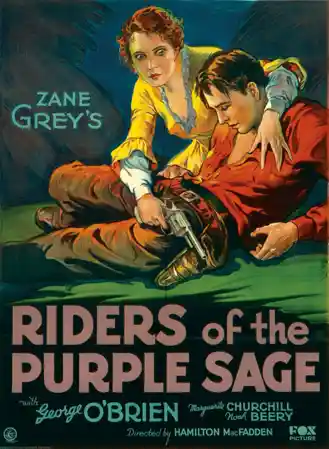
Director's Spotlight: United States
A Deep Dive into the 1931 Vision of Hamilton MacFadden
The Drama DNA of Riders of the Purple Sage is a reflection of United States's the historical context that Hamilton MacFadden weaves into the Drama fabric. Challenging the viewer to find meaning in the Drama shadows, it transcends regional boundaries to tell a universal story.
In Riders of the Purple Sage, Hamilton MacFadden pushes the boundaries of conventional narrative. The film's unique approach to its subject matter has sparked endless debates and interpretations among cinephiles and critics alike.
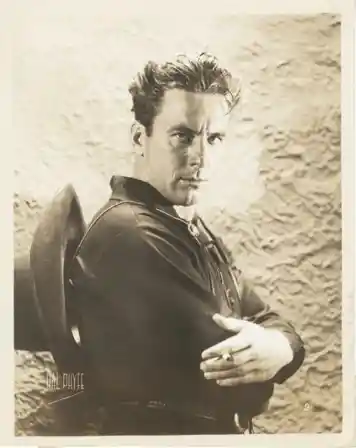
The visual language of Riders of the Purple Sage is defined by its use of shadows and framing, a hallmark of Hamilton MacFadden's style. By utilizing a 1931-era palette, the film creates an immersive experience that perfectly complements its Drama themes.
| Cinematography | High-Contrast |
| Soundtrack | Minimalist |
| Editing | Slow-Burn |
| Art Direction | Brutalist |
Visualizing the convergence of Hamilton MacFadden's style and the core Drama narrative.
Lassiter's sister was killed and her young daughter taken and raised by outlaws. Years later Lassiter arrives at the Withersteen ranch looking for his now-grown niece. He immediately gets caught up in the ranch's struggle against rustlers. Trailing a rustled herd of horses leads him to the rustler's hideout and the missing woman.
Decades after its release, Riders of the Purple Sage remains a vital piece of the cinematic puzzle. Its influence can be seen in countless modern works, solidifying Hamilton MacFadden's status as a master of the craft in United States and beyond.