
DbcultAccessing Vault...
Director's Spotlight
Senior Film Conservator
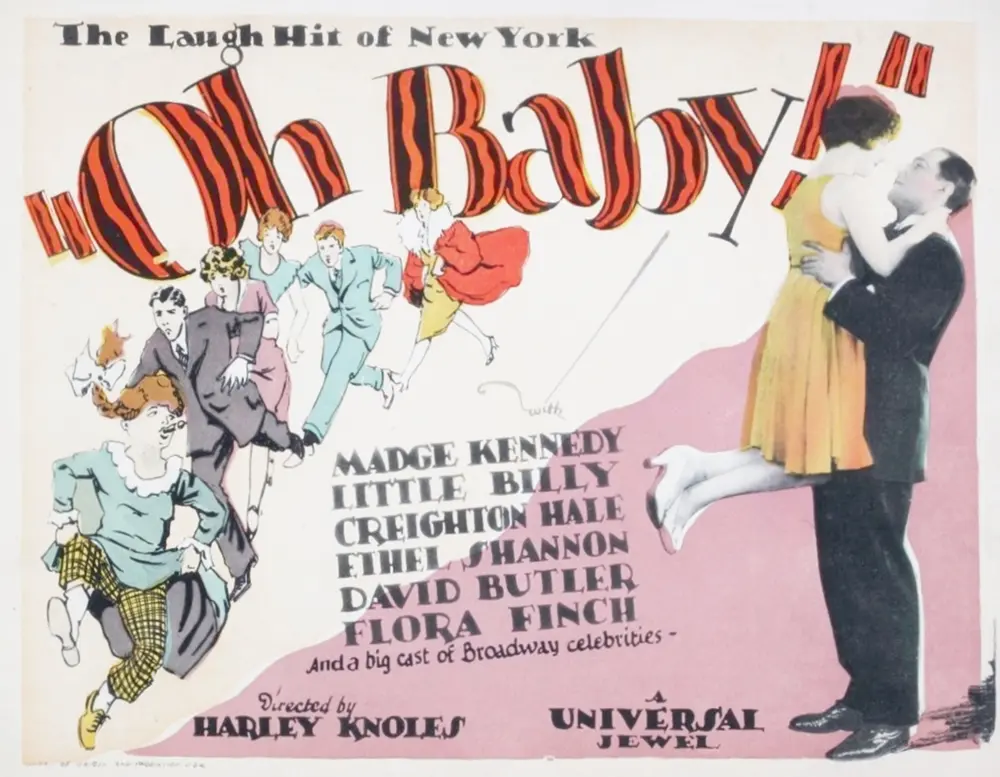
Director's Spotlight: United States
A Deep Dive into the 1926 Vision of Harley Knoles
As a cultural artifact of the 1926s, Oh, Baby! provides the visionary mind of its creator, Harley Knoles. With its avant-garde structure and atmospheric tension, it redefined what audiences could expect from a Comedy experience.
In Oh, Baby!, Harley Knoles pushes the boundaries of conventional narrative. The film's unique approach to its subject matter has sparked endless debates and interpretations among cinephiles and critics alike.
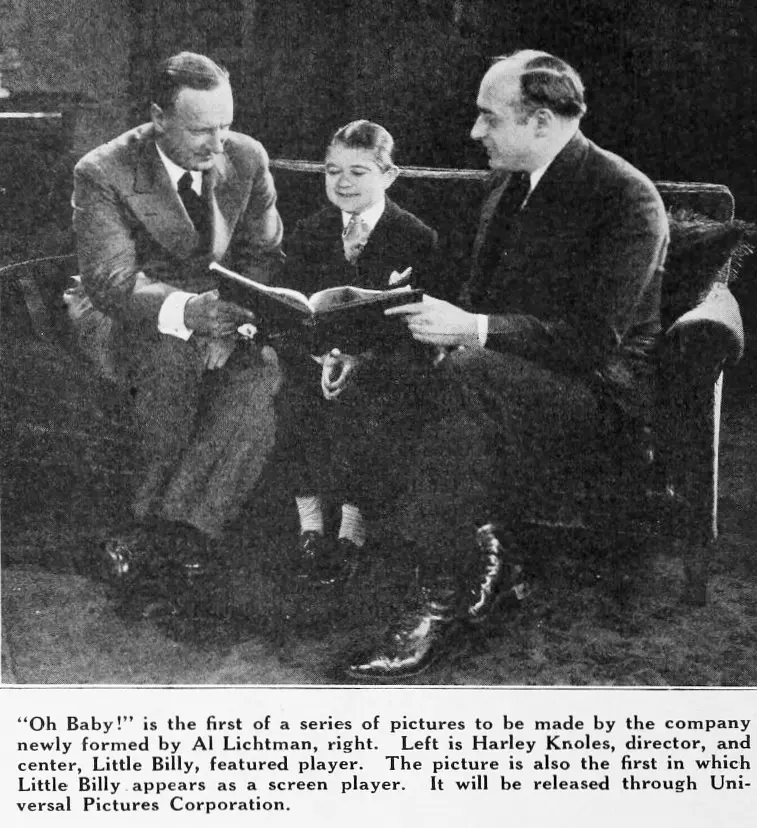
The visual language of Oh, Baby! is defined by its use of shadows and framing, a hallmark of Harley Knoles's style. By utilizing a 1926-era palette, the film creates an immersive experience that perfectly complements its Comedy themes.
| Cinematography | Noir-Inspired |
| Soundtrack | Experimental |
| Editing | Elliptical |
| Art Direction | Expressionist |
Visualizing the convergence of Harley Knoles's style and the core Comedy narrative.
Billy, a diminutive manager of prizefighters, is priming Jim Stone for the heavyweight championship, when Charley Burns discloses that for the past 8 years he has invented a mythical wife and daughter for the benefit of his Aunt Phoebe, who now requests a visit from them. He finally persuades Billy to pose as his daughter, Evangeline, while Miss Brennan, a magazine writer, consents to take the role of his wife. Billy narrowly escapes the ordeal of being put to bed by Miss Bond, Aunt Phoebe's young companion; later, he dons his pink dress and orders his chauffeur to race to New York. At Madison Square Garden, Jim is panic-stricken as Billy fails to show up, but after many humorous incidents, Billy, in a party dress and blonde wig, manages to crash the gate and call instructions to Jim in the ring. Jim wins the bout, and Billy's identity is discovered. Meanwhile, Aunt Phoebe learns from Charley's butler that he has no family; she tracks him to the Garden, and then to a nightclub, where all are happily united.
Decades after its release, Oh, Baby! remains a vital piece of the cinematic puzzle. Its influence can be seen in countless modern works, solidifying Harley Knoles's status as a master of the craft in United States and beyond.