
DbcultAccessing Vault...
Director's Spotlight
Senior Film Conservator
Director's Spotlight: United States
A Deep Dive into the 1917 Vision of Harley Knoles
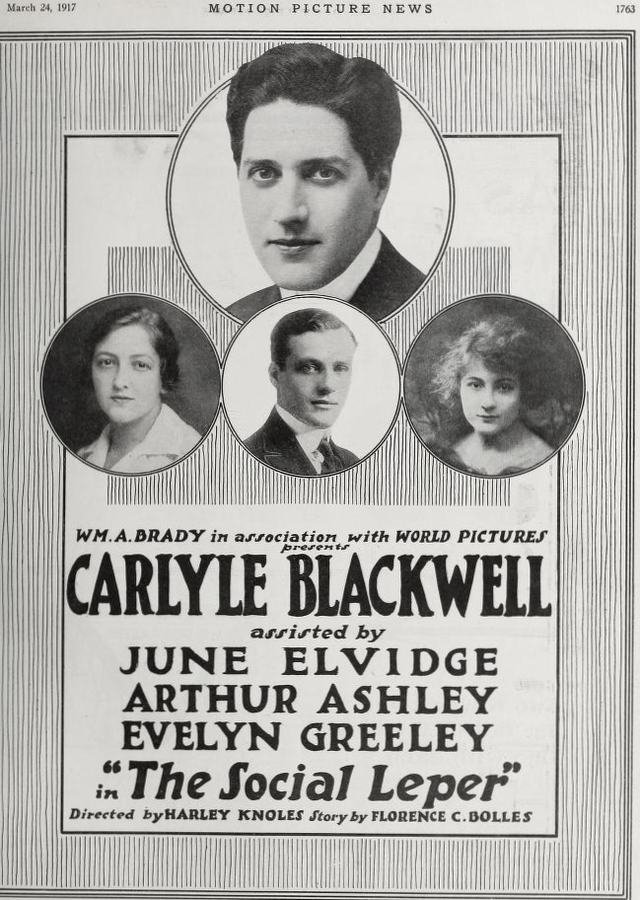
The thematic gravity of The Social Leper (1917) is rooted in the artistic risks taken by Harley Knoles that eventually paid off. Defining a new era of United States artistic expression, it demands to be seen by anyone who cares about the art of film.
In The Social Leper, Harley Knoles pushes the boundaries of conventional narrative. The film's unique approach to its subject matter has sparked endless debates and interpretations among cinephiles and critics alike.
While deeply rooted in United States, The Social Leper has achieved a global reach, influencing directors from various backgrounds. Its ability to translate cult tropes into a universal cinematic language is why it remains a cult staple decades after its 1917 release.
| Cinematography | High-Contrast |
| Soundtrack | Minimalist |
| Editing | Slow-Burn |
| Art Direction | Brutalist |
Visualizing the convergence of Harley Knoles's style and the core cult narrative.
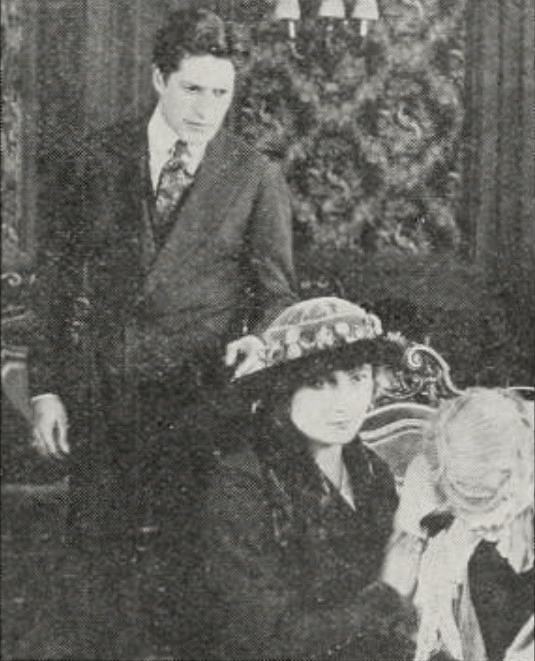
Divorcée Adrienne Van Couver visited clairvoyant Mme. Melvina, who tells her that a tall dark man, Robert Warren, is excited over a letter he has just received from her, telling him she does not love him. The fortuneteller bids her beware of him, then tells her that Henry Armstrong, the man she loves, will never love her. The clairvoyant then tells Adrienne of a young girl, Lorraine, whose eyes are dim with the tears that she has caused in another part of the city, Lorraine greets her fiancé, Henry Armstrong, with ill-concealed dejection and he tells her he fears she still loves John Dean, but she dispels his suspicions. John Dean shares the secret of his silent love for Lorraine with his mother. Robert Warren goes out into the night; it is then he meets John. In the other's haggard face, John Dean sees traces of his own sorrow and trying to make it easier for this man who has been his friend for five years, he tells Robert Warren his story. Eight years ago he and Adrienne were married. For two years they lived on the money inherited from his father. It was then the baby came and the father found happiness in the touch of baby hands, but to his wife it made no difference. Then the baby became ill, and while its mother was away dancing, the little life slipped away. Six months later Adrienne was given a divorce. Then he and his mother came to New York and a few years later he met and loved Lorraine Barkley. Although Henry Armstrong was a dangerous rival, Lorraine loved him and he did not fear until the day when the Barkleys gave a reception. It was then he met Adrienne again and she taunted him with his love for the young girl. When she demanded money, he gave it to her. Lorraine sees this and misconstrues the situation. It is then her engagement to Henry Armstrong is announced. John finishes his story and Robert is maddened by the destruction of the halo he had built around the woman he loved. Robert makes his way to Adrienne, who has been nervous and ill at ease ever since she returned from the fortune teller. Robert's haggard appearance frightens her and she telephones Henry, but her call for help is only half-uttered when Robert forcibly takes the instrument from her. Alarmed, Henry starts off at once to help her. Meanwhile, John, fearful for Adrienne's safety, goes to warn her. He arrives just after Robert has made his escape after murdering Adrienne. When Henry arrives with two policemen, he finds John bending over the dead woman. He is arrested. Lorraine is brokenhearted when she hears of the arrest and pleads with Henry, who is a lawyer, to take Dean's case. Detectives search Robert's apartment and find here a coat with buttons similar to one found in the dead woman's hand, and one is missing. They trace Robert to the hotel and after a terrible fight he is taken into custody. Happiness came with the morning, for Henry took Lorraine's hand and told her she was released from her promise to marry him. Then she called up John Dean and told him that she was ready to marry him.
Decades after its release, The Social Leper remains a vital piece of the cinematic puzzle. Its influence can be seen in countless modern works, solidifying Harley Knoles's status as a master of the craft in United States and beyond.