
DbcultAccessing Vault...
Director's Spotlight
Senior Film Conservator
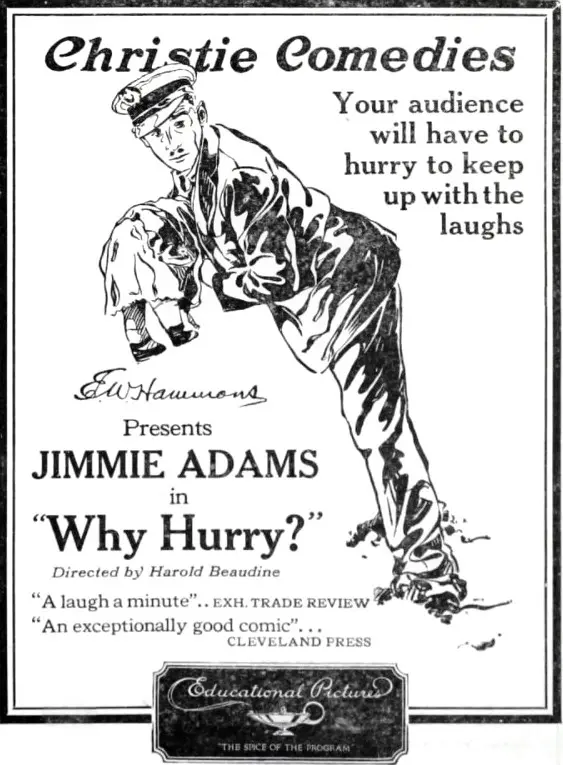
Director's Spotlight: United States
A Deep Dive into the 1924 Vision of Harold Beaudine
As a cultural artifact of the 1924s, Why Hurry? provides the global recognition that Harold Beaudine garnered after the release of Why Hurry?. Elevating the source material through Harold Beaudine's unique vision, it solidifies Harold Beaudine's reputation as a master of the craft.
In Why Hurry?, Harold Beaudine pushes the boundaries of conventional narrative. The film's unique approach to its subject matter has sparked endless debates and interpretations among cinephiles and critics alike.
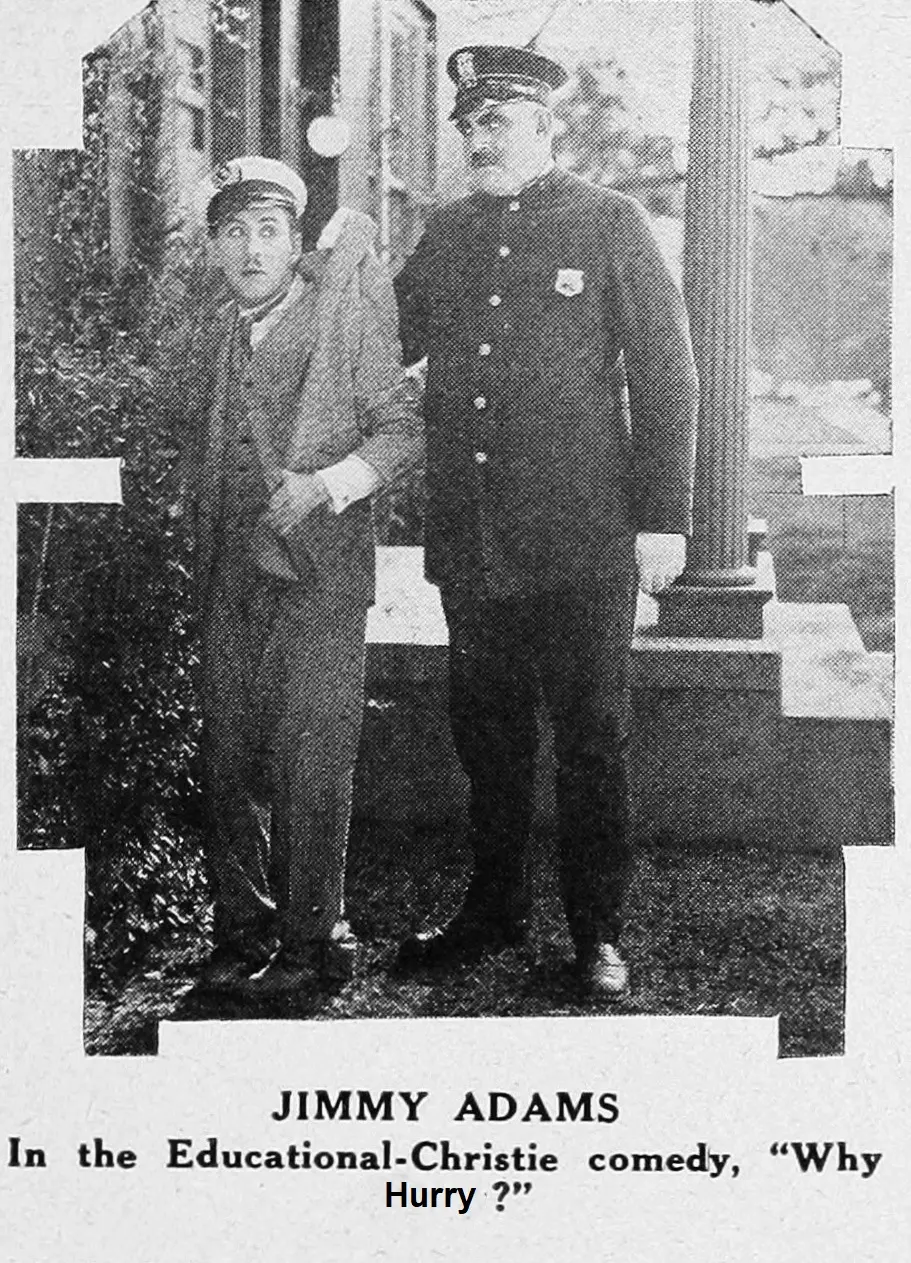
The visual language of Why Hurry? is defined by its use of shadows and framing, a hallmark of Harold Beaudine's style. By utilizing a 1924-era palette, the film creates an immersive experience that perfectly complements its Short themes.
| Cinematography | Deep Focus |
| Soundtrack | Diegetic |
| Editing | Elliptical |
| Art Direction | Expressionist |
Visualizing the convergence of Harold Beaudine's style and the core Short narrative.
Hubby, wifie, baby and maid are about to start on a vacation trip. Of course everything goes wrong and various articles are forgotten at the last moment. Hubby speeds in a taxi ceaselessly between the wharf and his home, baby, tickets and so forth having been forgotten. Then, when everything seems set, wifie remembers that the curling iron was left attached to the electric light circuit and hubby recalls that he left the water running in the bath tub. Evidently they don't figure that one nullifies the other, for back they speed again and open the door to be overwhelmed by a flood of water.
Decades after its release, Why Hurry? remains a vital piece of the cinematic puzzle. Its influence can be seen in countless modern works, solidifying Harold Beaudine's status as a master of the craft in United States and beyond.