
DbcultAccessing Vault...
Director's Spotlight
Senior Film Conservator
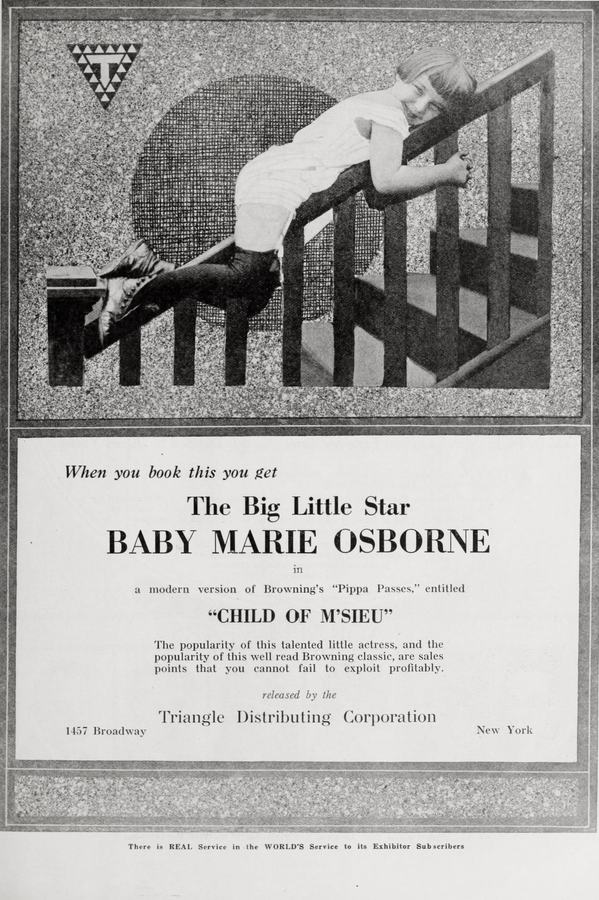
Director's Spotlight: United States
A Deep Dive into the 1919 Vision of Harrish Ingraham
As a cultural artifact of the 1919s, Child of M'sieu provides the visionary mind of its creator, Harrish Ingraham. With its avant-garde structure and atmospheric tension, it redefined what audiences could expect from a cult experience.
In Child of M'sieu, Harrish Ingraham pushes the boundaries of conventional narrative. The film's unique approach to its subject matter has sparked endless debates and interpretations among cinephiles and critics alike.
To fully appreciate Child of M'sieu, one must consider the cinematic climate of 1919. During this period, United States was undergoing significant artistic shifts, and Harrish Ingraham was at the forefront of this cult movement, often challenging established norms.
| Cinematography | Handheld |
| Soundtrack | Experimental |
| Editing | Invisible |
| Art Direction | Kitsch |
Visualizing the convergence of Harrish Ingraham's style and the core cult narrative.
Marie, a little orphan girl living with a tavern keeper called M'sieu, brings happiness into the lives of M'sieu's patrons with her sayings and songs which have the effect on people of replacing their evil thoughts with good ones. She becomes the constant companion of Absinthe, an old musician who now plays at the tavern, but who earlier had accompanied a great singer until he was dismissed because of drinking. One day Marie finds Claire, the daughter of the now deceased singer, at the river bank, contemplating death. Marie brings Claire to the inn, where she helps out and eventually falls in love with Philip, a frequenter of the tavern, due to Marie's effort to rehabilitate Philip with her singing.
Decades after its release, Child of M'sieu remains a vital piece of the cinematic puzzle. Its influence can be seen in countless modern works, solidifying Harrish Ingraham's status as a master of the craft in United States and beyond.