
DbcultAccessing Vault...
Director's Spotlight
Senior Film Conservator
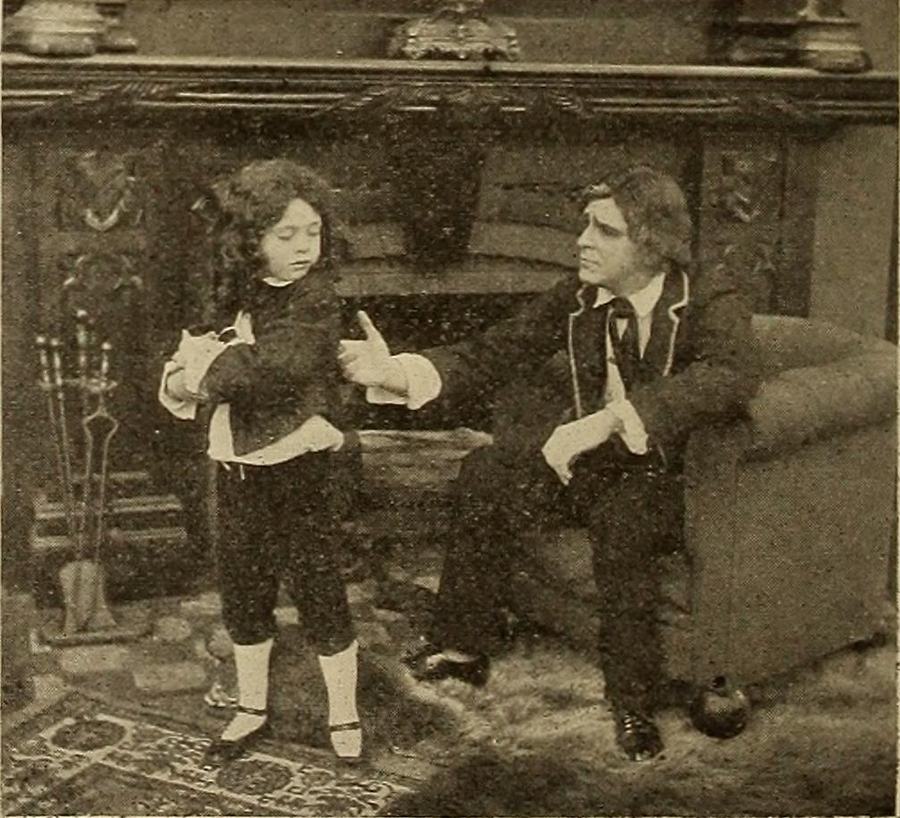
Director's Spotlight: United States
A Deep Dive into the 1917 Vision of Harrish Ingraham
Exploring the cult underpinnings of The Blood of His Fathers leads us to the uncompromising vision of Harrish Ingraham that defines this cult masterpiece. Melding the raw energy of United States with a global cult appeal, it echoes the profound changes occurring in United States during that era.
In The Blood of His Fathers, Harrish Ingraham pushes the boundaries of conventional narrative. The film's unique approach to its subject matter has sparked endless debates and interpretations among cinephiles and critics alike.
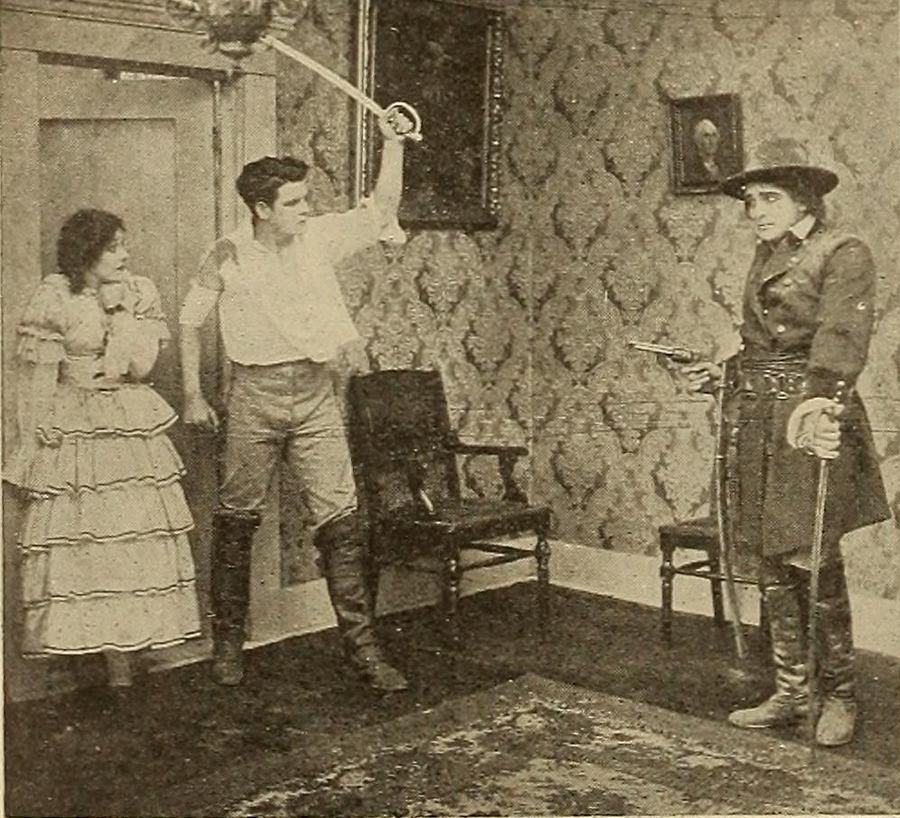
While deeply rooted in United States, The Blood of His Fathers has achieved a global reach, influencing directors from various backgrounds. Its ability to translate cult tropes into a universal cinematic language is why it remains a cult staple decades after its 1917 release.
| Cinematography | High-Contrast |
| Soundtrack | Diegetic |
| Editing | Rhythmic |
| Art Direction | Naturalist |
Visualizing the convergence of Harrish Ingraham's style and the core cult narrative.
In 1865, Morgan Gray, a Confederate renegade, kills the mother, father and sweetheart of Amity Graham and later marries her. Before dying in childbirth, Amity puts a curse on Gray and all his descendants. Fifty-two years later, the family curse is visited on Morgan Gray's hard-drinking, but likable grandson Abel, who, on the day of his marriage to Northern girl Hope Halliday, mistakenly concludes that he has killed a man, thanks to the machinations of his malevolent brother Kane. Fleeing to a distant area, Abel fights his tendency toward alcoholism and tries to recover his self-esteem. Eventually he rescues his wife from a gang of villains and learns that he had not committed murder, thus overcoming the family curse.
Decades after its release, The Blood of His Fathers remains a vital piece of the cinematic puzzle. Its influence can be seen in countless modern works, solidifying Harrish Ingraham's status as a master of the craft in United States and beyond.