
DbcultAccessing Vault...
Director's Spotlight
Senior Film Conservator
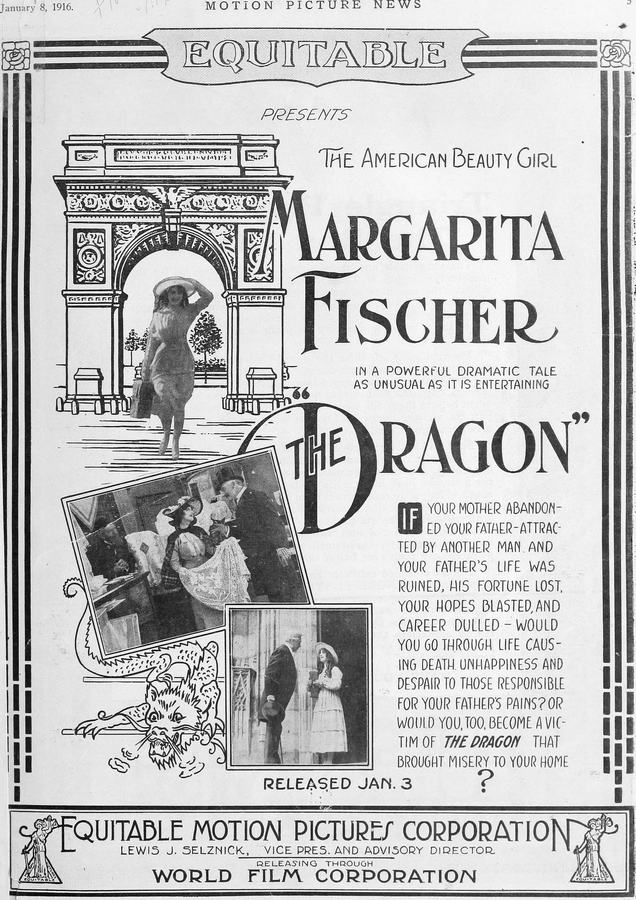
Director's Spotlight: United States
A Deep Dive into the 1916 Vision of Harry A. Pollard
The thematic gravity of The Dragon (1916) is rooted in the artistic risks taken by Harry A. Pollard that eventually paid off. Defining a new era of United States artistic expression, it demands to be seen by anyone who cares about the art of film.
In The Dragon, Harry A. Pollard pushes the boundaries of conventional narrative. The film's unique approach to its subject matter has sparked endless debates and interpretations among cinephiles and critics alike.
While deeply rooted in United States, The Dragon has achieved a global reach, influencing directors from various backgrounds. Its ability to translate cult tropes into a universal cinematic language is why it remains a cult staple decades after its 1916 release.
| Cinematography | High-Contrast |
| Soundtrack | Experimental |
| Editing | Elliptical |
| Art Direction | Expressionist |
Visualizing the convergence of Harry A. Pollard's style and the core cult narrative.
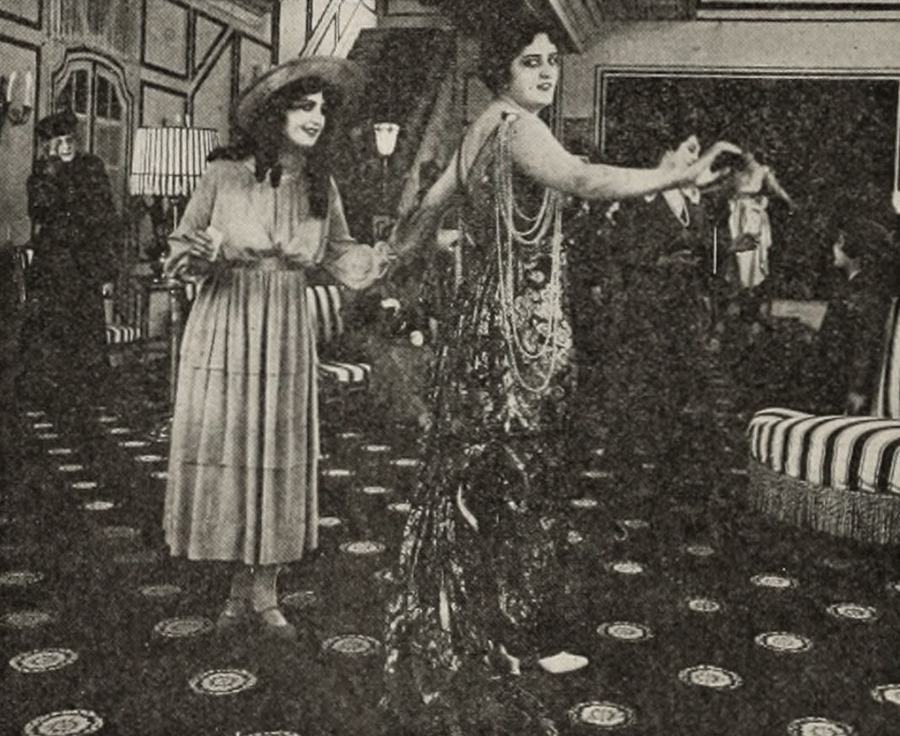
Messalla, the embodiment of youth and innocence, lives in an old house in Washington Square, New York City, with her father, who has been ruined financially and lost his wife through the lure of Fifth Avenue. He tells Messalla that the thoroughfare is a dragon lying in wait for victims. Messalla starts out to find the dragon and goes up the avenue. Her meetings with various people bring destruction and death to those who had wrought her father's ruin, although she is unconscious of the effect she is having on their lives. Messalla escapes the wiles of the white slaver. She allows a discarded flame of a big merchant to take her place at dinner to which she has been invited, and the merchant suffers at the hands of the discarded woman. A policeman's attention is attracted to Messalla and a man is killed by an automobile while he is looking at her. At a lacemaker's shop a wealthy young woman is tempted to take a bit of lace because Messalla has admired it, but she is caught and jailed. There is a robbery affecting some papers which have been taken and replaced by a bomb, and Messalla gives the package to a woman who turns out to be her father's lost wife; the house is destroyed after the woman and Messalla leave. There is a reconciliation. All those injured were people who had injured her father, and the dragon has been slain by Messalla's youth and innocence.
Decades after its release, The Dragon remains a vital piece of the cinematic puzzle. Its influence can be seen in countless modern works, solidifying Harry A. Pollard's status as a master of the craft in United States and beyond.