
DbcultAccessing Vault...
Director's Spotlight
Senior Film Conservator
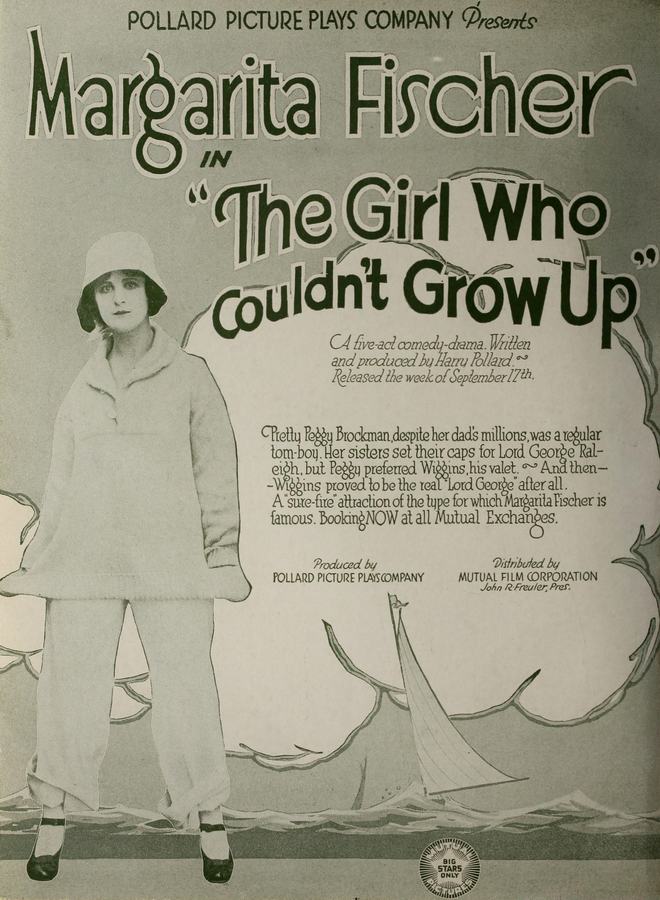
Director's Spotlight: United States
A Deep Dive into the 1917 Vision of Harry A. Pollard
The evocative power of The Girl Who Couldn't Grow Up stems from the unique collaboration between the bold experimentation that has become synonymous with Harry A. Pollard. Framed by the hauntingly beautiful landscapes of the production, it echoes the profound changes occurring in United States during that era.
In The Girl Who Couldn't Grow Up, Harry A. Pollard pushes the boundaries of conventional narrative. The film's unique approach to its subject matter has sparked endless debates and interpretations among cinephiles and critics alike.
The visual language of The Girl Who Couldn't Grow Up is defined by its use of shadows and framing, a hallmark of Harry A. Pollard's style. By utilizing a 1917-era palette, the film creates an immersive experience that perfectly complements its cult themes.
| Cinematography | Deep Focus |
| Soundtrack | Experimental |
| Editing | Invisible |
| Art Direction | Kitsch |
Visualizing the convergence of Harry A. Pollard's style and the core cult narrative.
Peggy Brockman's idyllic life with her oil-magnate father is disrupted when he remarries and arrives home with his bride and her two snobbish daughters. The new Mrs. Brockman reads that Lord George Raleigh is anchored off shore in his yacht, and regarding him as a possible conquest for one of her daughters, issues him an invitation to a garden party. In quest of his seclusion, his Lordship sends his butler Wiggins to attend in his place. Peggy is banned from the party, and in revenge, sneaks aboard the yacht where she meets the real lord who is enchanted by her. For her prank, Peggy is banished to college and the lord enrolls also. One night by mistake, Peggy climbs into the boys' dormitory and finds herself in Raleigh's room. To prevent a scandal, they elope, but on the way from the justice's house are arrested and thrown in jail. Peggy's horrified family arrives just in time to witness Lord Raleigh disclose his true identity and announce that Peggy is his bride.
Decades after its release, The Girl Who Couldn't Grow Up remains a vital piece of the cinematic puzzle. Its influence can be seen in countless modern works, solidifying Harry A. Pollard's status as a master of the craft in United States and beyond.