
DbcultAccessing Vault...
Director's Spotlight
Senior Film Conservator
Director's Spotlight: United States
A Deep Dive into the 1915 Vision of Harry A. Pollard
The brilliance of The Miracle of Life (1915) is inseparable from a monumental shift in cult filmmaking spearheaded by Harry A. Pollard. Occupying a unique space between cult and pure art, it serves as a blueprint for future generations of cult directors.
In The Miracle of Life, Harry A. Pollard pushes the boundaries of conventional narrative. The film's unique approach to its subject matter has sparked endless debates and interpretations among cinephiles and critics alike.
| Cinematography | Handheld |
| Soundtrack | Diegetic |
| Editing | Rhythmic |
| Art Direction | Naturalist |
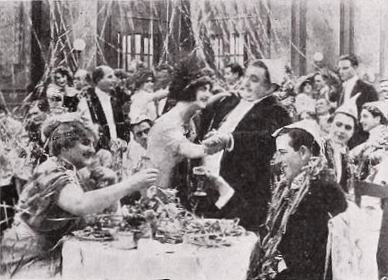
Visualizing the convergence of Harry A. Pollard's style and the core cult narrative.
When a young bride, newly entered into society, discovers she is pregnant, she consults an old friend on the most effective means of abortion. The friend gives her a potent drug, and that night the woman locks herself in her room, presses the potion bottle to her lips, falls across her bed and begins to dream. In her dream, her husband finds out about her abortion and demands a divorce. Years pass and the woman, now decrepit and alone, is visited by the ghost of her "Child-That-Might-Have-Been." The ghost takes her on a spiritual journey where she sees her husband, who is remarried and happy with his own family, hundreds of smiling babies wrapped in flowers in Babyland, and finally her own death and damnation. At her demise, she wakes from her nightmare, joyful to find the drug untouched, and rushes to tell her husband about her impending motherhood.
Decades after its release, The Miracle of Life remains a vital piece of the cinematic puzzle. Its influence can be seen in countless modern works, solidifying Harry A. Pollard's status as a master of the craft in United States and beyond.