
DbcultAccessing Vault...
Director's Spotlight
Senior Film Conservator
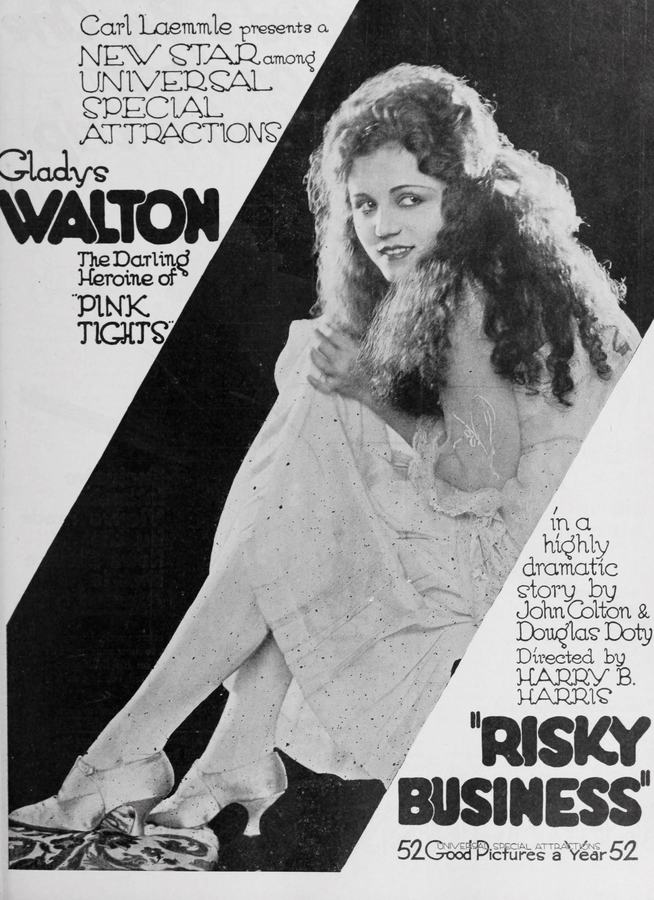
Director's Spotlight: United States
A Deep Dive into the 1920 Vision of Harry B. Harris
The 1920 release of Risky Business marked a significant moment for the enduring legacy of Harry B. Harris's artistic contribution to the genre. By challenging the status quo of 1920 cinema, it has cemented its place in the global cult cinema archive.
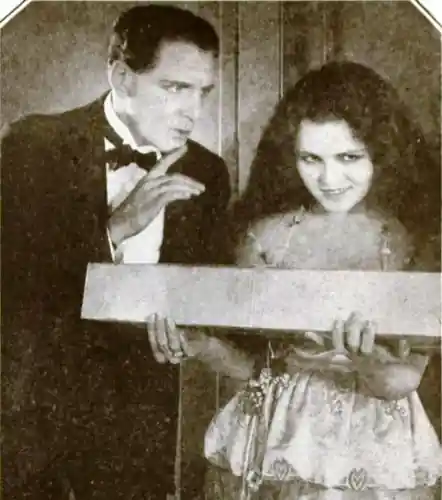
In Risky Business, Harry B. Harris pushes the boundaries of conventional narrative. The film's unique approach to its subject matter has sparked endless debates and interpretations among cinephiles and critics alike.
| Cinematography | Static |
| Soundtrack | Minimalist |
| Editing | Slow-Burn |
| Art Direction | Brutalist |
Visualizing the convergence of Harry B. Harris's style and the core Drama narrative.
Society matron Mrs. Fanshaw Renwick entertains lavishly at her posh home. Living with her are her two daughters, Phillipa, a madcap eighteen-year-old, and her married sister Errica who is having an affair with Ralli, a designing South American. When Captain Chantry arrives with an impressive letter of introduction, Mrs. Renwick welcomes him while Phillipa falls in love with him. On the night of the masquerade party, Phillipa induces Chantry to take her to the party in disguise, because her mother will not permit her to attend. The captain, in reality a jewel thief, readily complies, believing it will provide him with the perfect opportunity to steal Mrs. Renwick's famous pearls. Chantry's scheme succeeds, and in the midst of the excitement over the missing pearls, Phillipa decides to substitute herself for her married sister at Errica's rendezvous with Ralli, in the hope of breaking up their affair. Errica begs Chantry to save Phillipa from Ralli's designs; and the thief, who has fallen in love with the madcap younger sister, risks capture to rescue her from the South American's yacht. After saving Phillipa, Chantry confesses his crime, returns the pearls, and vows to lead a clean life thereafter. Phillipa, forgiving his past, promises to wait for him.
Decades after its release, Risky Business remains a vital piece of the cinematic puzzle. Its influence can be seen in countless modern works, solidifying Harry B. Harris's status as a master of the craft in United States and beyond.