
DbcultAccessing Vault...
Director's Spotlight
Senior Film Conservator
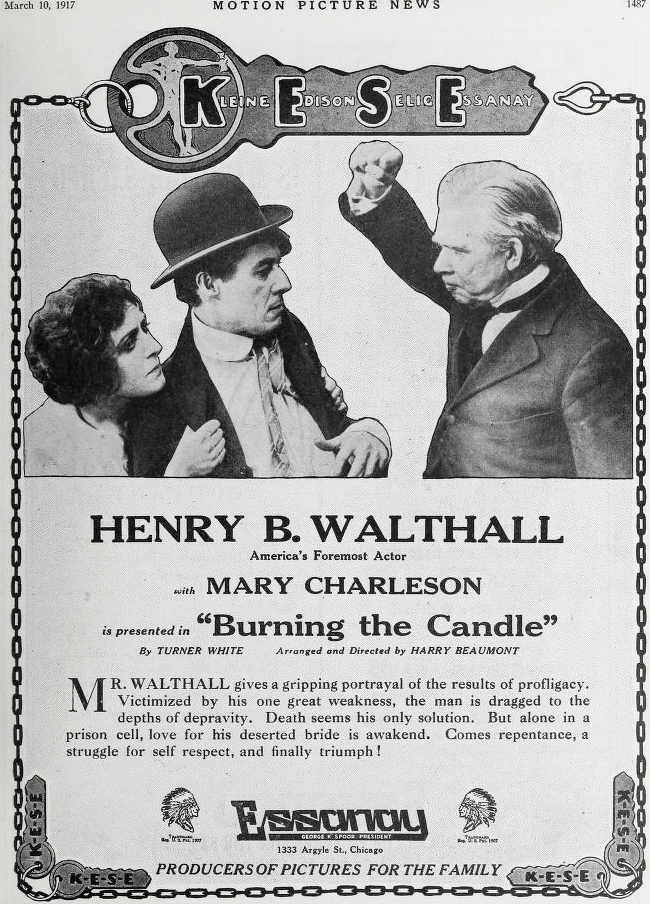
Director's Spotlight: United States
A Deep Dive into the 1917 Vision of Harry Beaumont
As a cultural artifact of the 1917s, Burning the Candle provides the visionary mind of its creator, Harry Beaumont. With its avant-garde structure and atmospheric tension, it redefined what audiences could expect from a cult experience.
In Burning the Candle, Harry Beaumont pushes the boundaries of conventional narrative. The film's unique approach to its subject matter has sparked endless debates and interpretations among cinephiles and critics alike.
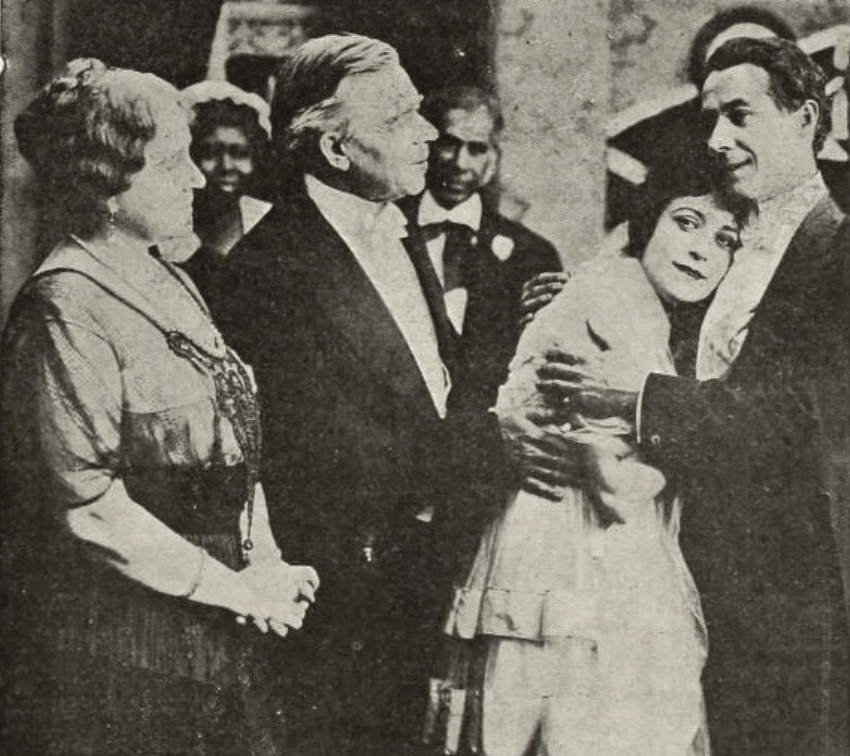
The visual language of Burning the Candle is defined by its use of shadows and framing, a hallmark of Harry Beaumont's style. By utilizing a 1917-era palette, the film creates an immersive experience that perfectly complements its cult themes.
| Cinematography | Static |
| Soundtrack | Orchestral |
| Editing | Slow-Burn |
| Art Direction | Brutalist |
Visualizing the convergence of Harry Beaumont's style and the core cult narrative.
Beneath the moonlight of the southern skies Molly Carrington, daughter of the south, pledges her heart and hand to "Jimmie" Maxwell on the eve of the young man's departure to New York, where his knowledge or cotton has won him a good position in a cotton broker's office. They are married and depart for the metropolis. Due to Maxwell's transition from his calm and uneventful home life to the maelstrom of worldly battle, he succumbs to liquor's lure, and from a stalwart husband is dragged to the depths or Demon Rum's depravity. He loses his position and Molly leaves him, returning to her southern home. As a "down-and-outer" Maxwell sees in a Mobile paper a rumor that his wife plans to divorce him and marry his former rival. Alfred Lewis. His smoldering love for Molly flares up to expose vividly the curse which drink has placed upon him. Maxwell throws off his alcoholic yoke, becomes a man again, and wins back his position. He finds Molly waiting for him the first day he enters the office.
Decades after its release, Burning the Candle remains a vital piece of the cinematic puzzle. Its influence can be seen in countless modern works, solidifying Harry Beaumont's status as a master of the craft in United States and beyond.