
DbcultAccessing Vault...
Director's Spotlight
Senior Film Conservator
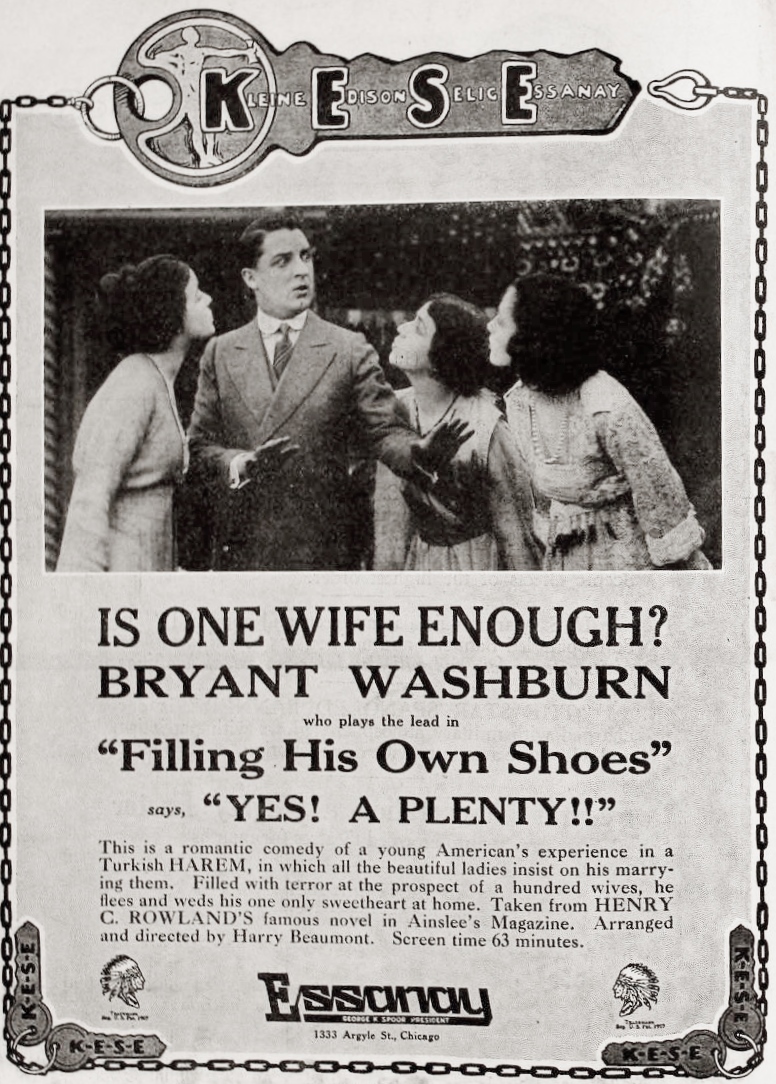
Director's Spotlight: United States
A Deep Dive into the 1917 Vision of Harry Beaumont
The 1917 release of Filling His Own Shoes marked a significant moment for the stylistic boundaries pushed by Harry Beaumont during the production. In the context of United States's rich cinematic history, it invites us to question our own perceptions of cult narratives.
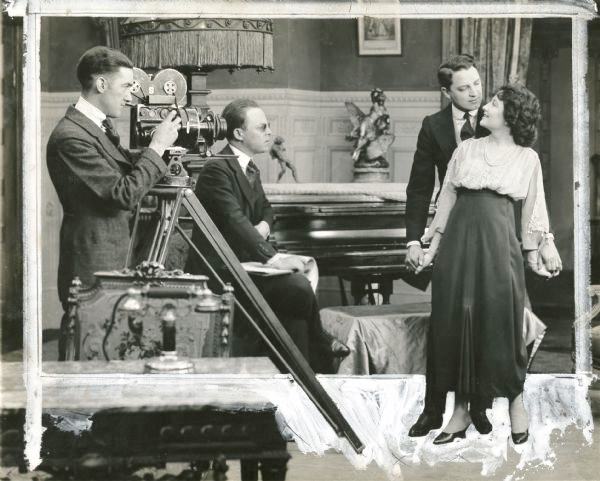
In Filling His Own Shoes, Harry Beaumont pushes the boundaries of conventional narrative. The film's unique approach to its subject matter has sparked endless debates and interpretations among cinephiles and critics alike.
| Cinematography | Static |
| Soundtrack | Synth-Heavy |
| Editing | Disjunctive |
| Art Direction | Baroque |
Visualizing the convergence of Harry Beaumont's style and the core cult narrative.
Finding himself broke and out of a job in Paris, American William Ruggles joins the Turkish army and is sent to fight in its war in the Balkans. During a particularly hard-fought battle, he rescues a wounded Turkish soldier. Before he dies the Turk, out of gratitude, leaves William his fortune--but with the proviso that he take care of the Turk's three beautiful young wards. After he leaves the army, William and the three young girls--Roxana, Rosa and Bulbul--move to Paris, where William meets up with young Ruth Downing, the daughter of his former employer. They fall in love, but Roxana--who is also in love with William--is determined that nothing will stand in the way of her getting him and she will do whatever it takes to achieve that end.
Decades after its release, Filling His Own Shoes remains a vital piece of the cinematic puzzle. Its influence can be seen in countless modern works, solidifying Harry Beaumont's status as a master of the craft in United States and beyond.