
DbcultAccessing Vault...
Director's Spotlight
Senior Film Conservator
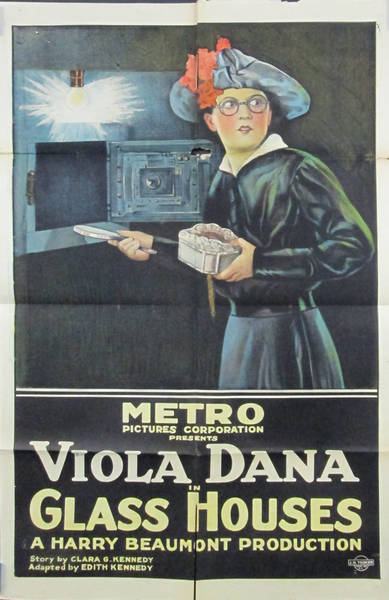
Director's Spotlight: United States
A Deep Dive into the 1922 Vision of Harry Beaumont
The evocative power of Glass Houses stems from the unique collaboration between the subversive storytelling techniques employed by Harry Beaumont in 1922. Synthesizing the best elements of United States and international cinema, it reminds us of the fragility and beauty of the 1922s.
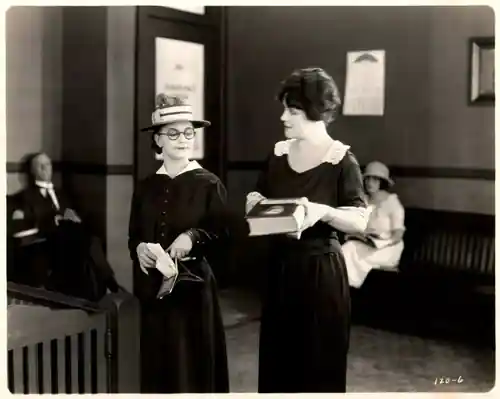
In Glass Houses, Harry Beaumont pushes the boundaries of conventional narrative. The film's unique approach to its subject matter has sparked endless debates and interpretations among cinephiles and critics alike.
| Cinematography | Handheld |
| Soundtrack | Minimalist |
| Editing | Disjunctive |
| Art Direction | Baroque |
Visualizing the convergence of Harry Beaumont's style and the core Romance narrative.
When Joy Duval and her sister, Cicily, lose their inheritance and are faced with the necessity of working, Joy applies at an employment agency disguised as a prim old-fashioned working girl and is hired by Aunt Harriet as a companion. She is primarily concerned with the reform of Billy Norton, Harriet's nephew. The young couple are discovered in the garage of a wealthy relative, where they spend the night unaware of each other's presence; and it is assumed that they have eloped. Harriet is delighted when they are married, and Billy is happy to find that his wife is actually a chic beauty. Through a misunderstanding, his wife is mistaken for Angel Face Ann, a notorious thief, but all ends well when the real lady crook is captured.
Decades after its release, Glass Houses remains a vital piece of the cinematic puzzle. Its influence can be seen in countless modern works, solidifying Harry Beaumont's status as a master of the craft in United States and beyond.