Summary
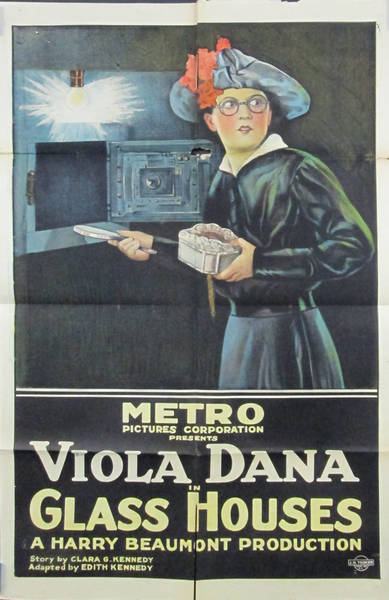
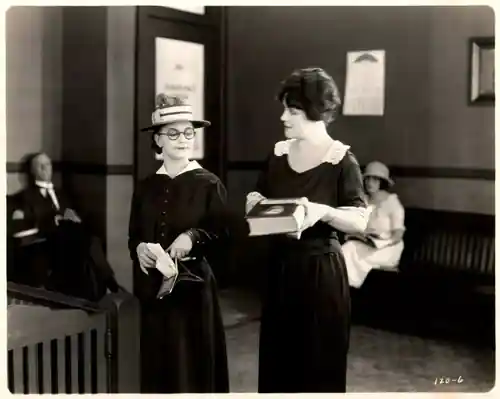
A luminous parlor-comet of 1922, Glass Houses detonates the sentimental clichés of the era by smuggling a razor-sharp satire of class camouflage inside a featherweight farce. When the orphaned Duval sisters—penniless yet piquant—descend from chandeliers to chiffon aprons, Joy dons the mask of a drab, Bible-quoting drudge to infiltrate the over-upholstered world of Aunt Harriet, a matriarch who collects causes the way others collect porcelain pugs. The ostensible quarry is Billy Norton, Harriet’s polo-lounging nephew, whose vices run no deeper than gin rickeys and foxtrot fatigue. A moonlit mishap in the marbled garage of a grand-aunt’s estate strands Joy and Billy in parallel solitude; dawn’s gossip engine proclaims an elopement that never was, forcing the two into a marriage that neither sought yet both secretly covet. Once the veil of spinsterish gray is lifted, Joy emerges as a swan-necked sylph in lamé, turning Billy from captive to conspirator. The plot pirouettes into mistaken-identity pandemonium when Joy’s newly minted glamour is swapped, in the public retina, for the mug-shot visage of “Angel Face Ann,” a Jazz-Age bandit queen who could swipe the pearls off a duchess while reciting the Lord’s Prayer. The film climaxes in a champagne-spray of reversals: the real Angel Face is cornered in a boudoir stake-out, the faux-delinquent newlyweds pocket both absolution and affection, and the gilded household discovers that its smoothest silver can still reflect a grin.
Synopsis
When Joy Duval and her sister, Cicily, lose their inheritance and are faced with the necessity of working, Joy applies at an employment agency disguised as a prim old-fashioned working girl and is hired by Aunt Harriet as a companion. She is primarily concerned with the reform of Billy Norton, Harriet's nephew. The young couple are discovered in the garage of a wealthy relative, where they spend the night unaware of each other's presence; and it is assumed that they have eloped. Harriet is delighted when they are married, and Billy is happy to find that his wife is actually a chic beauty. Through a misunderstanding, his wife is mistaken for Angel Face Ann, a notorious thief, but all ends well when the real lady crook is captured.
Review Excerpt
"
Glass Houses is the cinematic equivalent of a champagne coupe hurled against a parquet floor—effervescent, reckless, and astonishingly intact after the crash. Shot through with the brittle sparkle of 1922, it refuses the weepy romanticism of Smilin' Through or the pastoral melodrama of Polly of the Storm Country. Instead, it weaponizes the gag-and-gasp mechanics of farce to expose how easily identity can be tailor-made like a department-store dress pattern.
A Plot that Pirouettes on Broken Gla..."