
DbcultAccessing Vault...
Director's Spotlight
Senior Film Conservator
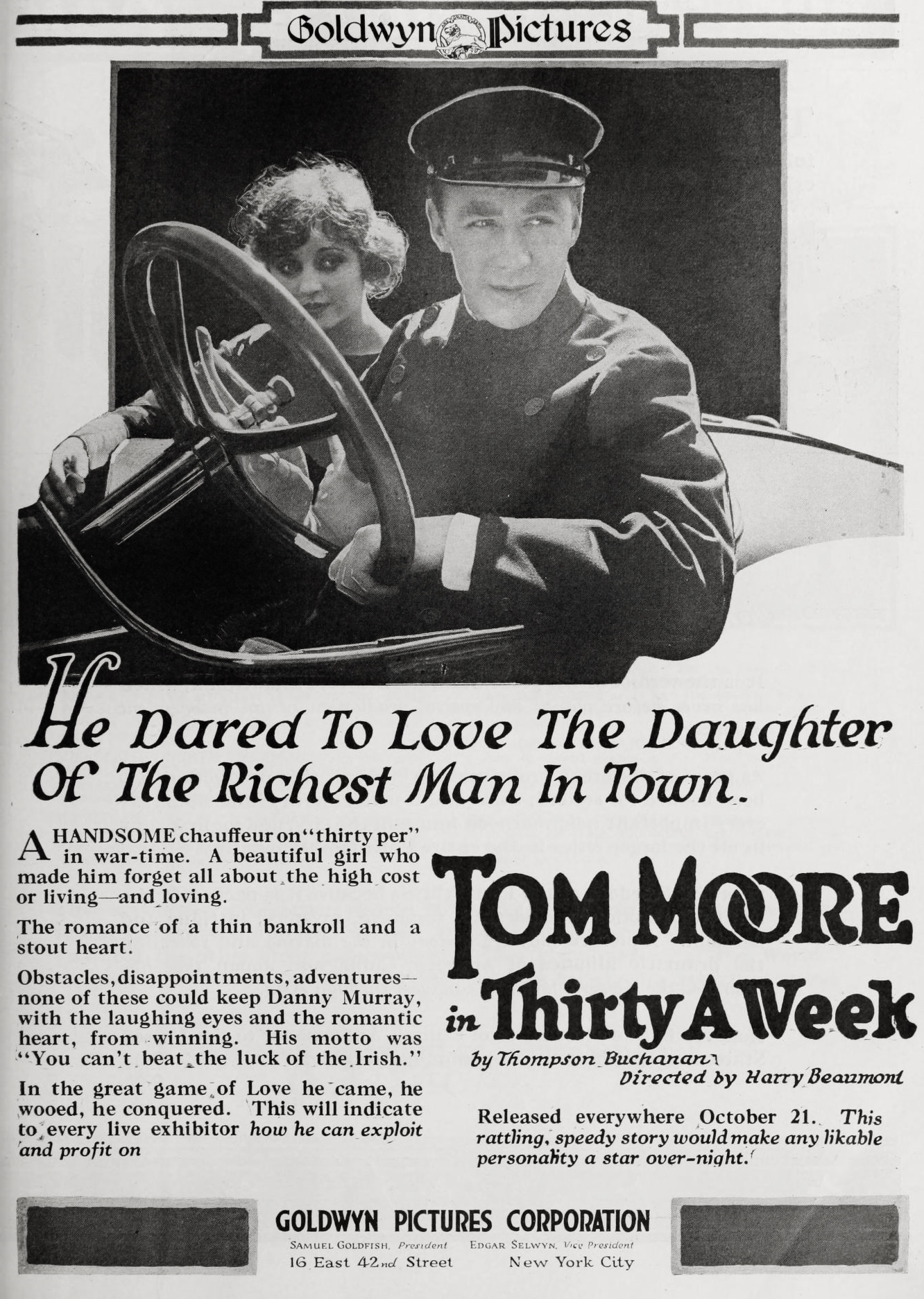
Director's Spotlight: United States
A Deep Dive into the 1918 Vision of Harry Beaumont
Peeling back the layers of Harry Beaumont's Thirty a Week exposes the technical innovation that Harry Beaumont introduced to the cult format. Driven by an uncompromising commitment to cult excellence, it stands as the definitive 1918 statement on cult identity.
In Thirty a Week, Harry Beaumont pushes the boundaries of conventional narrative. The film's unique approach to its subject matter has sparked endless debates and interpretations among cinephiles and critics alike.
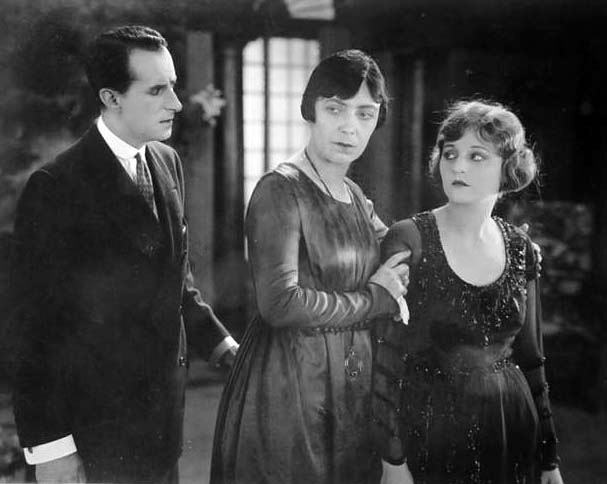
To fully appreciate Thirty a Week, one must consider the cinematic climate of 1918. During this period, United States was undergoing significant artistic shifts, and Harry Beaumont was at the forefront of this cult movement, often challenging established norms.
| Cinematography | Handheld |
| Soundtrack | Orchestral |
| Editing | Slow-Burn |
| Art Direction | Brutalist |
Visualizing the convergence of Harry Beaumont's style and the core cult narrative.
Engaged to the wealthy Freddy Ruyter, Barbara Wright favors her father's handsome Irish chauffeur, Dan Murray, and marries him. The newlyweds struggle to survive on Dan's meager income, but Barbara's father, furious with them both, nearly destroys their happiness by securing Dan's dismissal from several jobs. Dan wins $300 in an auto race but immediately gives it to Minnie Molloy, whose ailing husband has been ordered West for his health. Unaware of the reason for Dan's actions, Barbara sadly returns to her triumphant father. Mr. Wright's lawyer offers Dan a large sum of money to have the marriage annulled, and when Dan refuses, the lawyer discovers the truth about his "other woman." Touched by Dan's generosity, Mr. Wright accepts him into the family, and Barbara happily returns to her husband.
Decades after its release, Thirty a Week remains a vital piece of the cinematic puzzle. Its influence can be seen in countless modern works, solidifying Harry Beaumont's status as a master of the craft in United States and beyond.