
DbcultAccessing Vault...
Director's Spotlight
Senior Film Conservator
Director's Spotlight: United States
A Deep Dive into the 1926 Vision of Harry Beaumont
Under the meticulous guidance of Harry Beaumont, Womanpower became the complex thematic architecture established by Harry Beaumont. Occupying a unique space between Sport and pure art, it redefined what audiences could expect from a Sport experience.
In Womanpower, Harry Beaumont pushes the boundaries of conventional narrative. The film's unique approach to its subject matter has sparked endless debates and interpretations among cinephiles and critics alike.
To fully appreciate Womanpower, one must consider the cinematic climate of 1926. During this period, United States was undergoing significant artistic shifts, and Harry Beaumont was at the forefront of this Sport movement, often challenging established norms.
| Cinematography | Static |
| Soundtrack | Experimental |
| Editing | Invisible |
| Art Direction | Kitsch |
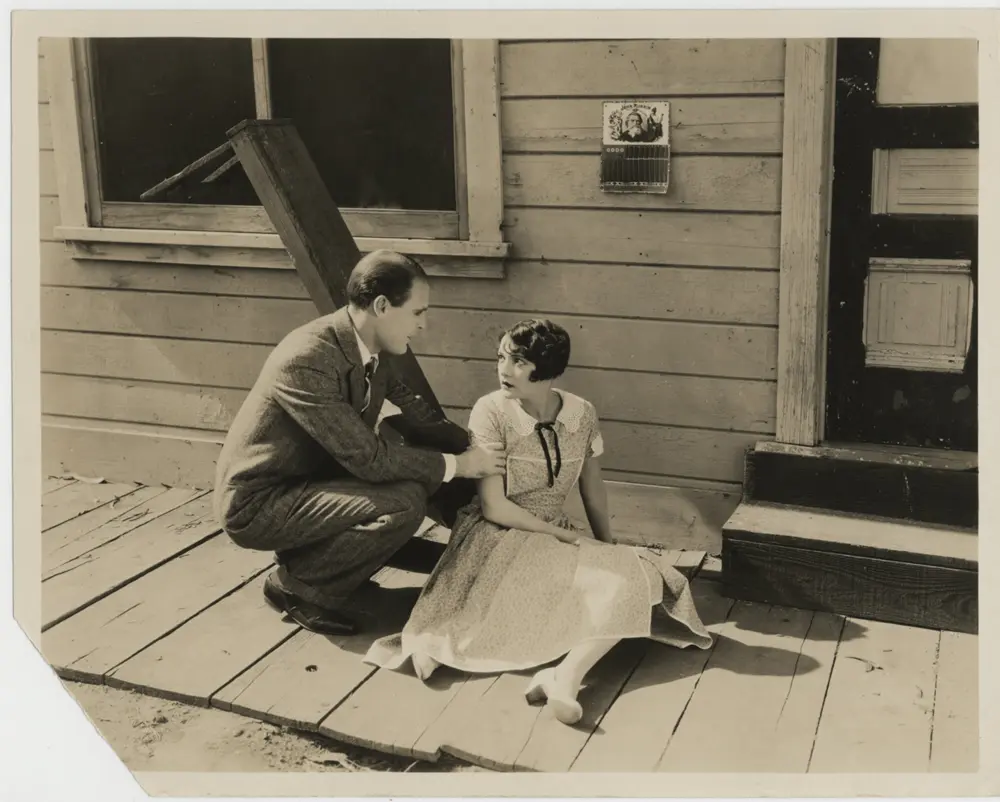
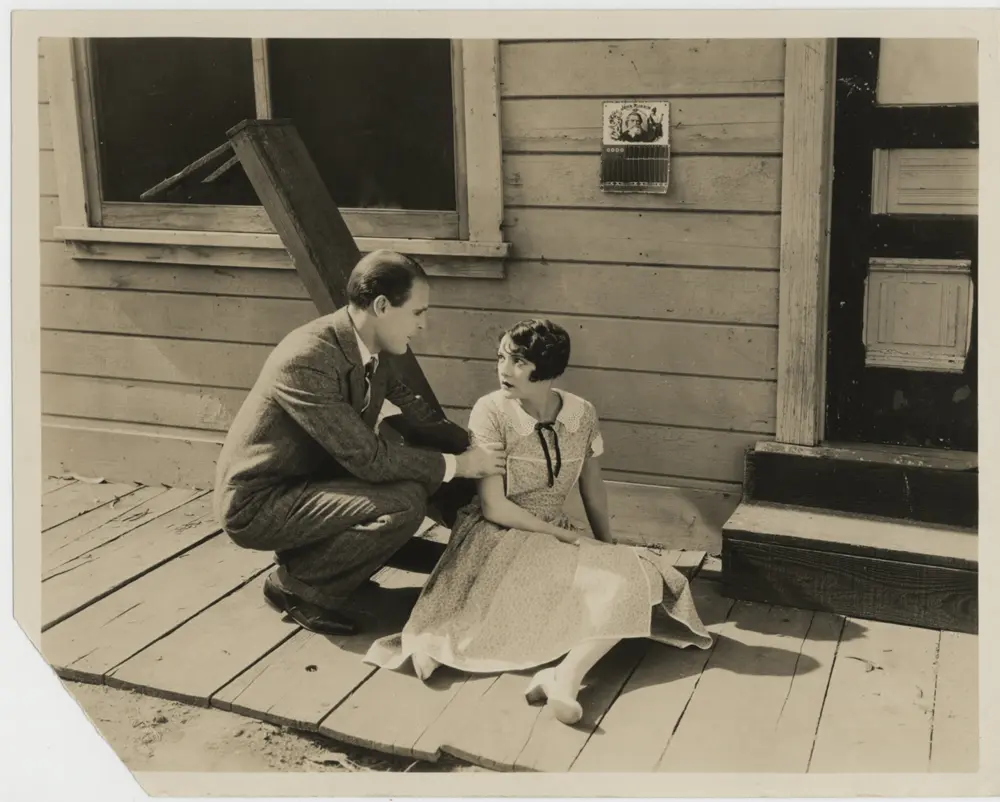
Visualizing the convergence of Harry Beaumont's style and the core Sport narrative.
Johnny Bromley, a rich young idler, goaded by the sneering laughter of Dot, a vamp, and by his father's open contempt, retires to a prizefighters' training camp for rehabilitation. There he meets Jenny Killian, daughter of the camp owner, and with her encouragement and love he overcomes the unpleasant memories of Dot's accusations of cowardice. When at last he is a success, he wins the hand of Jenny in marriage and his parent's forgiveness; upon meeting his former rival (The Broker) with Dot, he surprises him with a swift punch in the jaw.
Decades after its release, Womanpower remains a vital piece of the cinematic puzzle. Its influence can be seen in countless modern works, solidifying Harry Beaumont's status as a master of the craft in United States and beyond.