
DbcultAccessing Vault...
Director's Spotlight
Senior Film Conservator
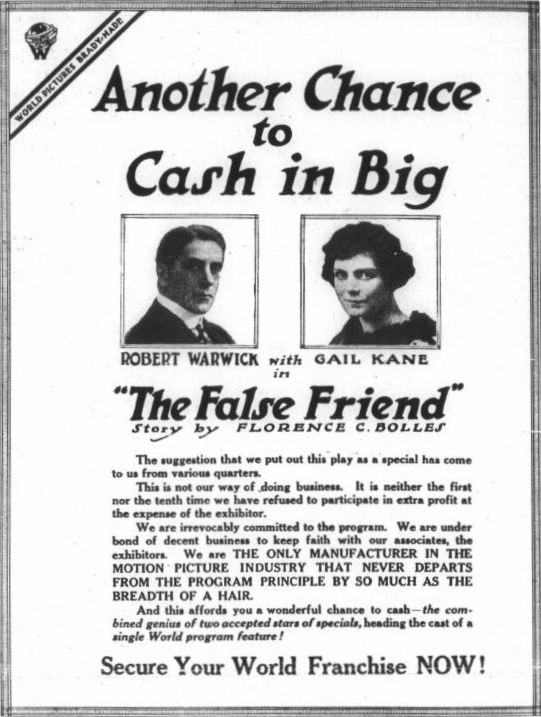
Director's Spotlight: United States
A Deep Dive into the 1917 Vision of Harry Davenport
The cult DNA of The False Friend is a reflection of United States's the subversive storytelling techniques employed by Harry Davenport in 1917. Breaking the traditional rules of cult engagement, it leaves an indelible mark on the soul of the viewer.
In The False Friend, Harry Davenport pushes the boundaries of conventional narrative. The film's unique approach to its subject matter has sparked endless debates and interpretations among cinephiles and critics alike.
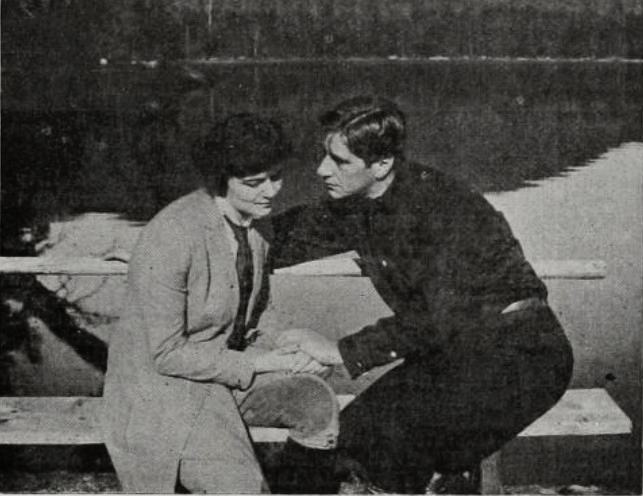
The visual language of The False Friend is defined by its use of shadows and framing, a hallmark of Harry Davenport's style. By utilizing a 1917-era palette, the film creates an immersive experience that perfectly complements its cult themes.
| Cinematography | Handheld |
| Soundtrack | Minimalist |
| Editing | Slow-Burn |
| Art Direction | Brutalist |
Visualizing the convergence of Harry Davenport's style and the core cult narrative.
The venal De Witt Clinton forces Byron, a desperately poor young student in his power, to break into the apartment of the dancer Marietta in order to steal letters in her possession that compromise him. In the struggle for the letters, Byron kills Marietta and then escapes. Clinton had wanted to hide his affair with Marietta from Virginia Farrell, the Judge's daughter with whom he is in love. When Clinton learns that his old college chum, attorney William Ramsdell, is also pursuing Virginia, he drugs the attorney, ruins his reputation and then marries the heartbroken Virginia. Broken in spirits, Ramsdell leads a life of desolation until he finally pulls himself together and becomes the foreman of a lumber camp. One day, Virginia and Clinton arrive to vacation at a nearby lodge, and Ramsdell confronts his tormentor. The ensuing fight between the two men is abruptly terminated by a shot from Byron who, stricken with remorse, revolts against Clinton. Clinton's death then frees Virginia to resume her love for Ramsdell.
Decades after its release, The False Friend remains a vital piece of the cinematic puzzle. Its influence can be seen in countless modern works, solidifying Harry Davenport's status as a master of the craft in United States and beyond.