
DbcultAccessing Vault...
Director's Spotlight
Senior Film Conservator
Director's Spotlight: United States
A Deep Dive into the 1926 Vision of Harry Edwards
The enduring fascination with Soldier Man is a testament to the artistic risks taken by Harry Edwards that eventually paid off. Challenging the viewer to find meaning in the Short shadows, it reminds us of the fragility and beauty of the 1926s.
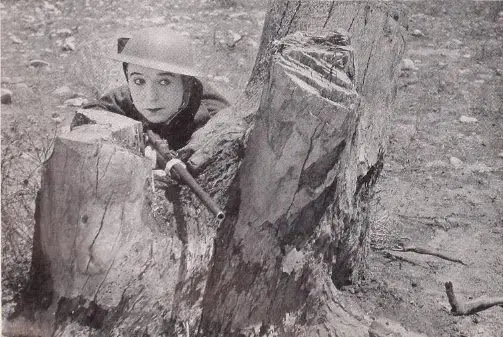
In Soldier Man, Harry Edwards pushes the boundaries of conventional narrative. The film's unique approach to its subject matter has sparked endless debates and interpretations among cinephiles and critics alike.
| Cinematography | Deep Focus |
| Soundtrack | Orchestral |
| Editing | Invisible |
| Art Direction | Kitsch |
Visualizing the convergence of Harry Edwards's style and the core Short narrative.
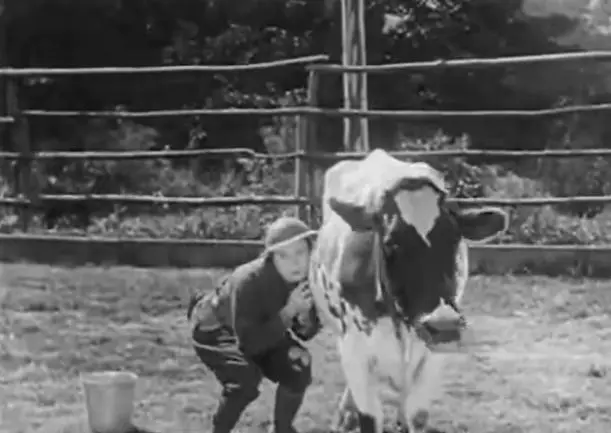
After the armistice, one U.S. soldier remains unaccounted for: he's wandering the fields of Bomania, hungry, thinking the war is still on. (He was in a German prison camp, escaping while his captors celebrated the Great War's end.) Turns out, he's the spitting image of Bomania's King Strudel. The prime minister wants Strudel to sign a peace treaty ending civil war with a cousin. Bomania's General Von Snootzer wants the war to continue, so he contrives to derail the treaty. Strudel is a drunk, his queen hates him. Into the mix stumbles our dough boy. If he can pass for the king, maybe the treaty can continue. But what of the queen and her plans?
Decades after its release, Soldier Man remains a vital piece of the cinematic puzzle. Its influence can be seen in countless modern works, solidifying Harry Edwards's status as a master of the craft in United States and beyond.