
DbcultAccessing Vault...
Director's Spotlight
Senior Film Conservator
Director's Spotlight: United States
A Deep Dive into the 1927 Vision of Harry Edwards
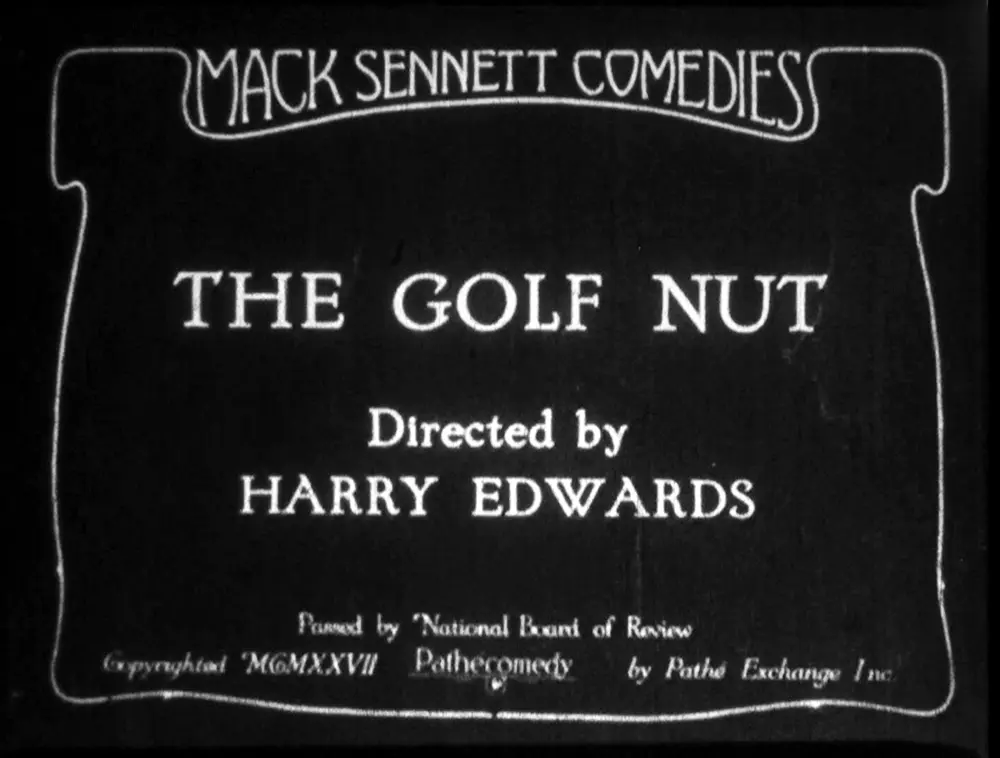
As we revisit the 1927 masterpiece The Golf Nut, we are struck by the meticulous attention to detail that Harry Edwards applied to every frame. Anchored by a narrative that is both personal and universal, it bridges the gap between traditional Short and contemporary vision.
In The Golf Nut, Harry Edwards pushes the boundaries of conventional narrative. The film's unique approach to its subject matter has sparked endless debates and interpretations among cinephiles and critics alike.
While deeply rooted in United States, The Golf Nut has achieved a global reach, influencing directors from various backgrounds. Its ability to translate Short tropes into a universal cinematic language is why it remains a cult staple decades after its 1927 release.
| Cinematography | High-Contrast |
| Soundtrack | Orchestral |
| Editing | Invisible |
| Art Direction | Kitsch |
Visualizing the convergence of Harry Edwards's style and the core Short narrative.
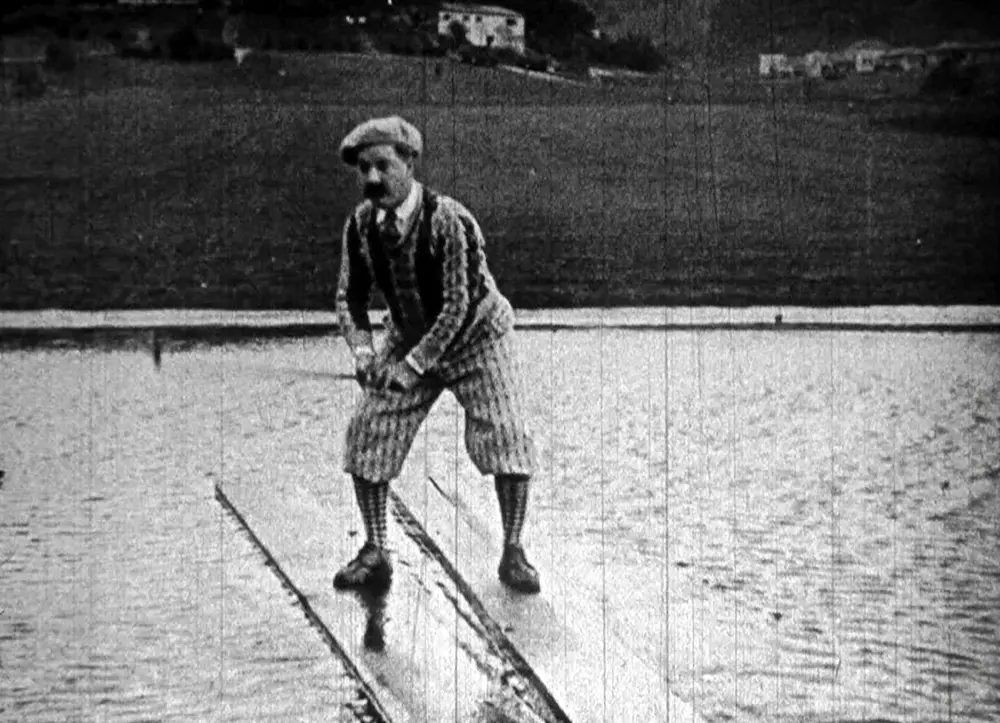
Many of its members are spending a leisurely day at the the El Caballero Golf Club, the most beautiful in California. Also visiting for the day is non-member, Billy Divott, a golf enthusiast who is a little too enthusiastic. He seems to cause havoc everywhere he goes, especially as he plays a round of golf and tries to teach some of the less experienced members the finer points of the game. That havoc is compounded whenever he deals with sand traps, water traps, or especially flying insects with stingers.
Decades after its release, The Golf Nut remains a vital piece of the cinematic puzzle. Its influence can be seen in countless modern works, solidifying Harry Edwards's status as a master of the craft in United States and beyond.