
DbcultAccessing Vault...
Director's Spotlight
Senior Film Conservator

Director's Spotlight: United States
A Deep Dive into the 1925 Vision of Harry Edwards
To understand the modern evolution of United States film, one must first look at The Sea Squawk and the collaborative alchemy between Harry Edwards and the 1925 creative team. Subverting the expectations of the typical 1925 audience, it remains a vital reference point for anyone studying the evolution of Harry Edwards.
In The Sea Squawk, Harry Edwards pushes the boundaries of conventional narrative. The film's unique approach to its subject matter has sparked endless debates and interpretations among cinephiles and critics alike.
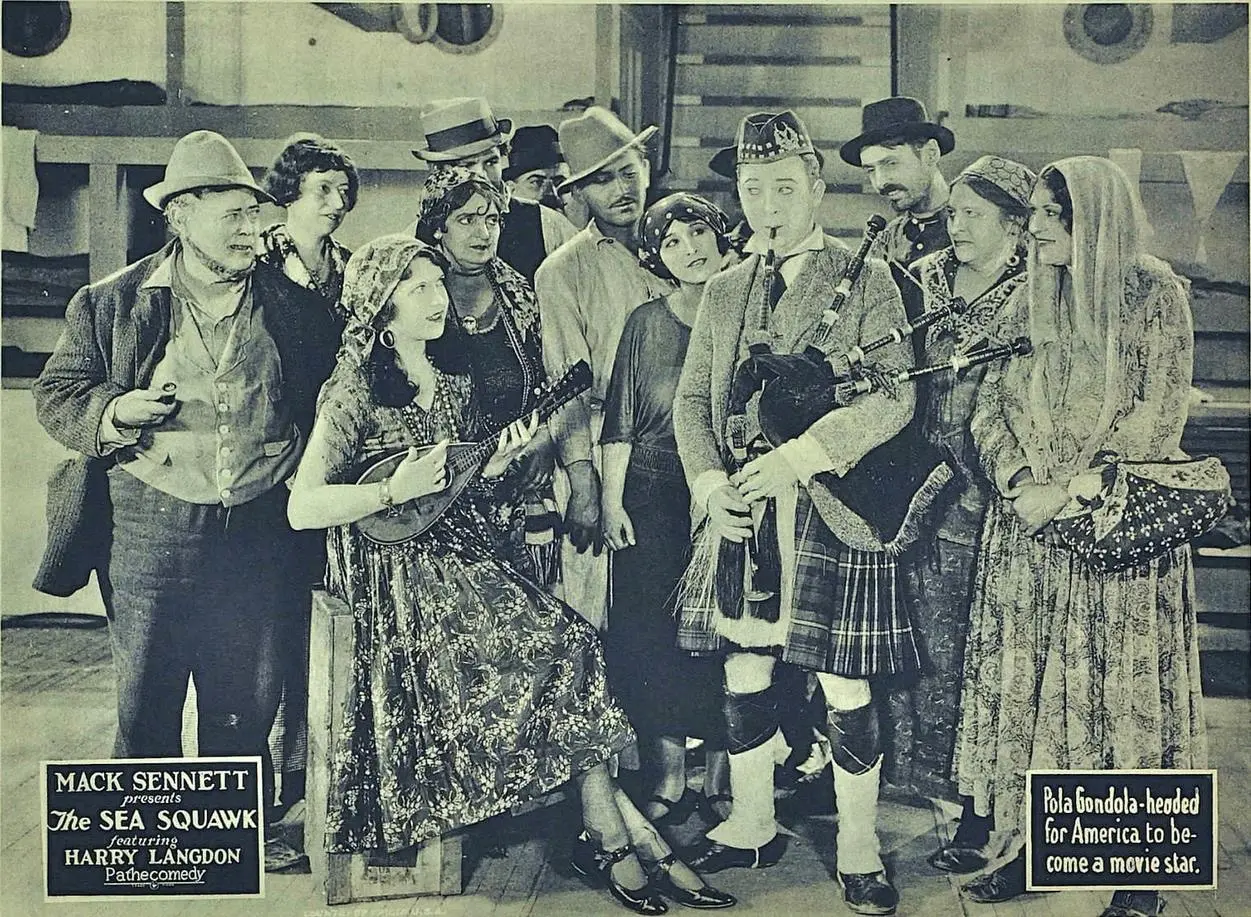
The visual language of The Sea Squawk is defined by its use of shadows and framing, a hallmark of Harry Edwards's style. By utilizing a 1925-era palette, the film creates an immersive experience that perfectly complements its Comedy themes.
| Cinematography | Static |
| Soundtrack | Diegetic |
| Editing | Elliptical |
| Art Direction | Expressionist |
Visualizing the convergence of Harry Edwards's style and the core Comedy narrative.
A Scottish immigrant on board ship becomes a pawn in a jewel heist aboard the S.S. Cognac, a three-star liner. Blackie Dawson, the uncrowned king of jewel thieves, and his accomplice Pearl Blackstone, have stolen a huge ruby. A detective is searching every cabin, so Blackie forces our young Scot to swallow the gem and, under threat of being shot, to stay mum. The detective is assisted by Flora Danube, a blue-eyed Bulgarian daisy who keeps those eyes open. To escape death, the young Scot disguises himself as a woman, but that draws a lot of attention; when his disguise is discovered, he must climb for his life. Is a European union in the offing?
Decades after its release, The Sea Squawk remains a vital piece of the cinematic puzzle. Its influence can be seen in countless modern works, solidifying Harry Edwards's status as a master of the craft in United States and beyond.