
DbcultAccessing Vault...
Director's Spotlight
Senior Film Conservator
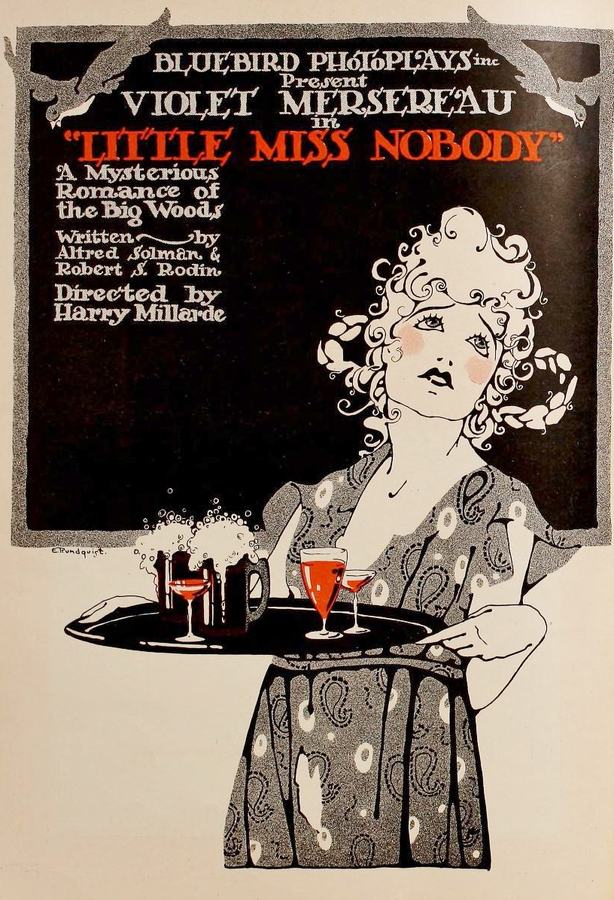
Director's Spotlight: United States
A Deep Dive into the 1917 Vision of Harry F. Millarde
The thematic gravity of Little Miss Nobody (1917) is rooted in the artistic risks taken by Harry F. Millarde that eventually paid off. Defining a new era of United States artistic expression, it demands to be seen by anyone who cares about the art of film.
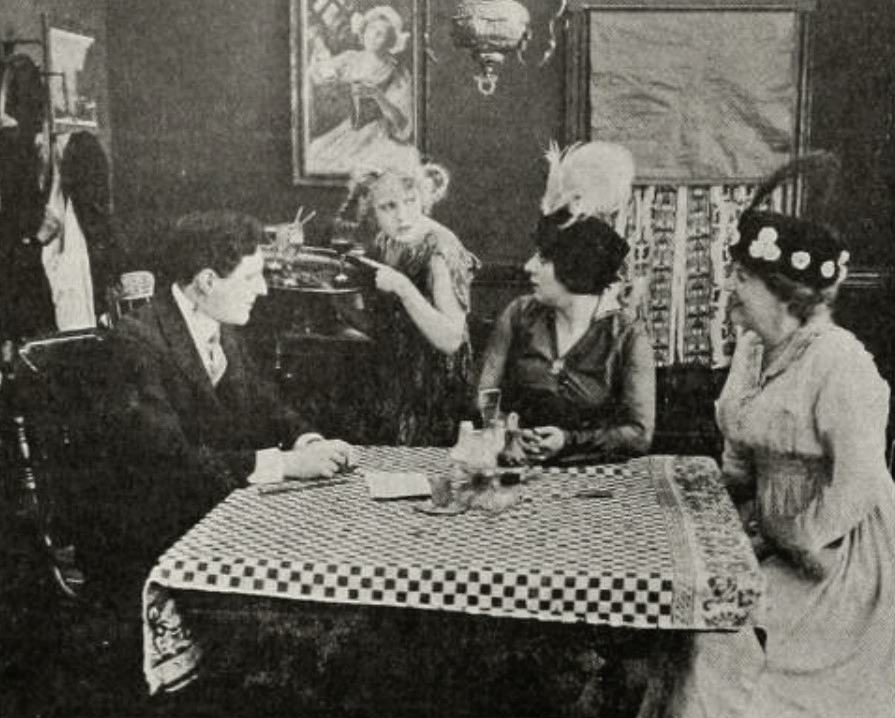
In Little Miss Nobody, Harry F. Millarde pushes the boundaries of conventional narrative. The film's unique approach to its subject matter has sparked endless debates and interpretations among cinephiles and critics alike.
| Cinematography | Deep Focus |
| Soundtrack | Orchestral |
| Editing | Slow-Burn |
| Art Direction | Brutalist |
Visualizing the convergence of Harry F. Millarde's style and the core cult narrative.
Bonnie is the object of a brutish bully who likes to spend his time at her foster father's saloon. Arthur, a playwright has come to town after the woman he loves, has married another man for his money. Arthur marries Bonnie to protect her from the bully, meanwhile, the other woman has become a widow and now wants Arthur back. She arranges to put Bonnie in a compromising position with another man; her plan almost succeeds, but Arthur and Bonnie's strong bond of love cannot be broken.
Decades after its release, Little Miss Nobody remains a vital piece of the cinematic puzzle. Its influence can be seen in countless modern works, solidifying Harry F. Millarde's status as a master of the craft in United States and beyond.