
DbcultAccessing Vault...
Director's Spotlight
Senior Film Conservator
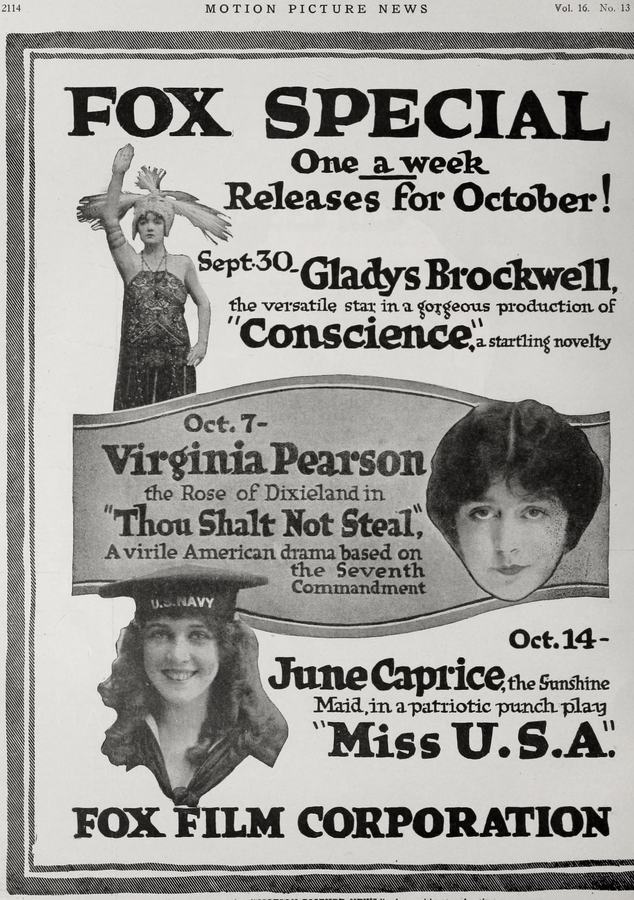
Director's Spotlight: United States
A Deep Dive into the 1917 Vision of Harry F. Millarde
Analyzing Miss U.S.A. (1917) requires a deep dive into the unique directorial voice that Harry F. Millarde brought to the screen. By challenging the status quo of 1917 cinema, it continues to spark endless debates among critics and cinephiles alike.
In Miss U.S.A., Harry F. Millarde pushes the boundaries of conventional narrative. The film's unique approach to its subject matter has sparked endless debates and interpretations among cinephiles and critics alike.
In this work, Harry F. Millarde explores the intersection of cult and United States cultural identity. The meticulous attention to detail suggests a deep-seated commitment to pushing the boundaries of the medium, ensuring that Miss U.S.A. remains a relevant topic of study for cult enthusiasts.
| Cinematography | Handheld |
| Soundtrack | Experimental |
| Editing | Invisible |
| Art Direction | Kitsch |
Visualizing the convergence of Harry F. Millarde's style and the core cult narrative.
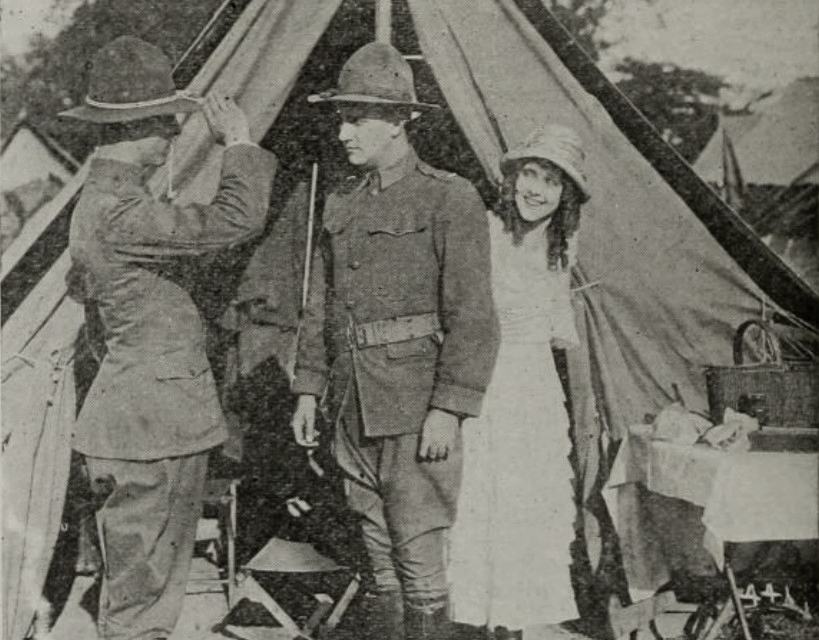
Eugene Lenoir weds the sister of Major Warfield. The couple dies not many months after the marriage, but there is much animosity between the two families. Gabriel Lenoir inherits his brother's estate, and he makes the nurse, Nance Wilson, swear to kill the baby that was born to Eugene's wife shortly before she died. But the nurse takes the infant to be raised in a New York tenement instead. After the girl is grown, the nurse tells the Major of her existence. Warfield brings her back to Virginia under the name Capitola Black. When the United States declares war on Germany, Herbert Grayson comes to town to ferret out a gang of spies. Capitola decides to help her country, too, and she discovers that Gabriel Lenoir is one of the conspirators. She is almost killed but Grayson rescues her and reveals that Lenoir stole Capitola's fortune when she was a baby, and the villain gets his just rewards for his wrongdoings. The estate is returned to Capitola, who is attacked by one of Lenoir's accomplices that she locks up in the cellar. As Grayson is about to enlist and leave for the front in France, he asks for Capitola's hand in marriage.
Decades after its release, Miss U.S.A. remains a vital piece of the cinematic puzzle. Its influence can be seen in countless modern works, solidifying Harry F. Millarde's status as a master of the craft in United States and beyond.