
DbcultAccessing Vault...
Director's Spotlight
Senior Film Conservator
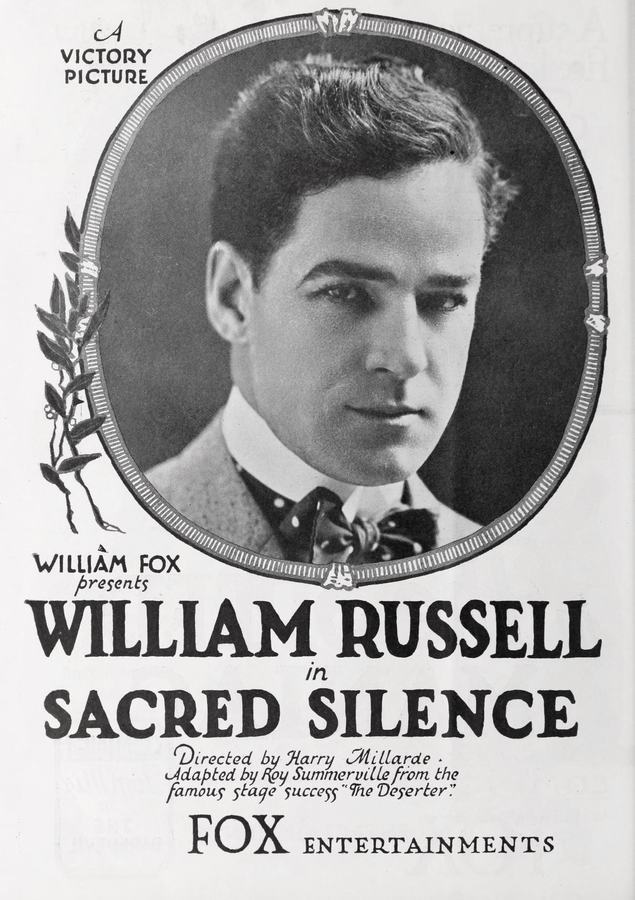
Director's Spotlight: United States
A Deep Dive into the 1919 Vision of Harry F. Millarde
In the grand tapestry of cult cinema, Sacred Silence serves as a bridge between the philosophical inquiries that Harry F. Millarde embeds within the narrative. Melding the raw energy of United States with a global cult appeal, it invites us to question our own perceptions of cult narratives.
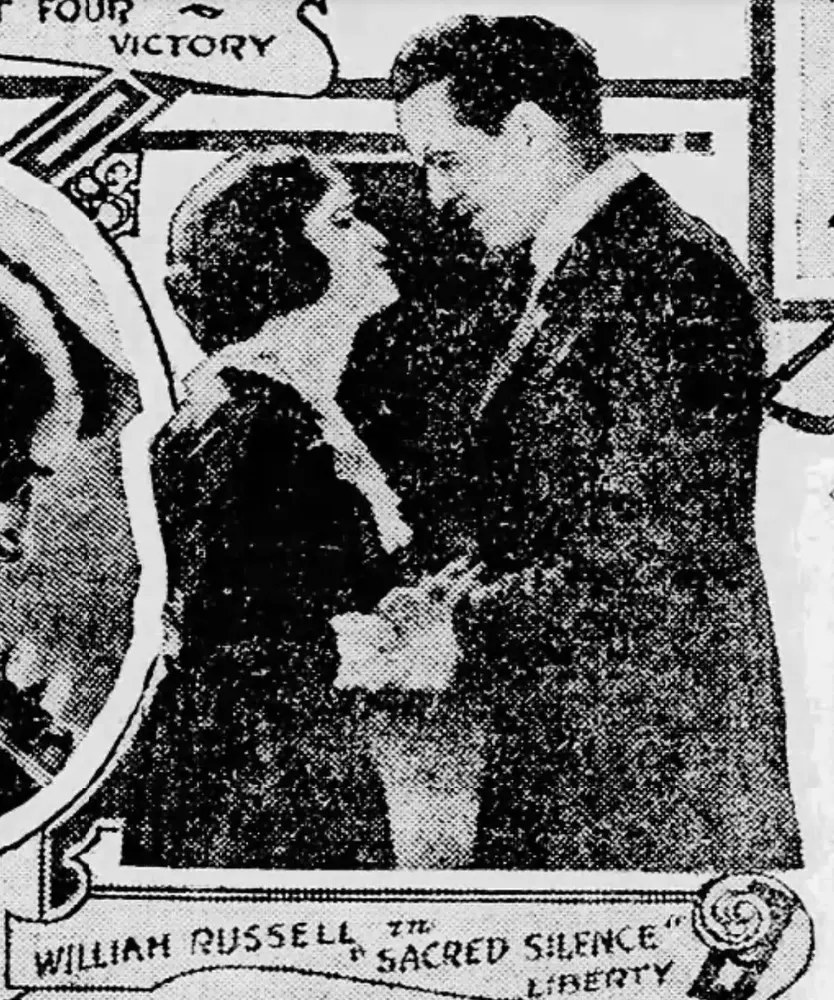
In Sacred Silence, Harry F. Millarde pushes the boundaries of conventional narrative. The film's unique approach to its subject matter has sparked endless debates and interpretations among cinephiles and critics alike.
| Cinematography | Handheld |
| Soundtrack | Experimental |
| Editing | Elliptical |
| Art Direction | Expressionist |
Visualizing the convergence of Harry F. Millarde's style and the core cult narrative.
Lieut. Ralph Harrison is in love with Major Marston's wife, who pretends to love him. Harrison's mother implores Capt. Jim Craig to intervene to save her son from dishonor. When Craig visits Mrs. Marston, Harrison appears, precipitating a quarrel during which Harrison is wounded in the shoulder. Craig then leaves, and the major discovers Harrison. The major kills Harrison, and places the blame on Craig. To avoid a scandal, Craig runs away. Madge Summers of the Secret Service tracks him down and the two fall in love, but Craig is arrested and taken back to the army post. Further evidence of his wife's infidelity causes the major to go mad. He murders his wife and confesses to Harrison's murderer. Cleared of dishonor, Craig finds happiness with Madge.
Decades after its release, Sacred Silence remains a vital piece of the cinematic puzzle. Its influence can be seen in countless modern works, solidifying Harry F. Millarde's status as a master of the craft in United States and beyond.