
DbcultAccessing Vault...
Director's Spotlight
Senior Film Conservator
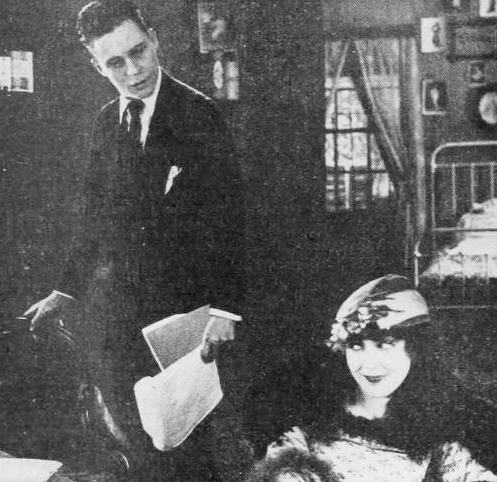
Director's Spotlight: United States
A Deep Dive into the 1918 Vision of Harry F. Millarde
When we examine the cinematic landscape of United States, The Heart of Romance emerges as a landmark work of the enduring legacy of Harry F. Millarde's artistic contribution to the genre. Through a lens of existential fatalism and cult tropes, it captures a specific kind of cinematic magic that is rarely replicated.
In The Heart of Romance, Harry F. Millarde pushes the boundaries of conventional narrative. The film's unique approach to its subject matter has sparked endless debates and interpretations among cinephiles and critics alike.
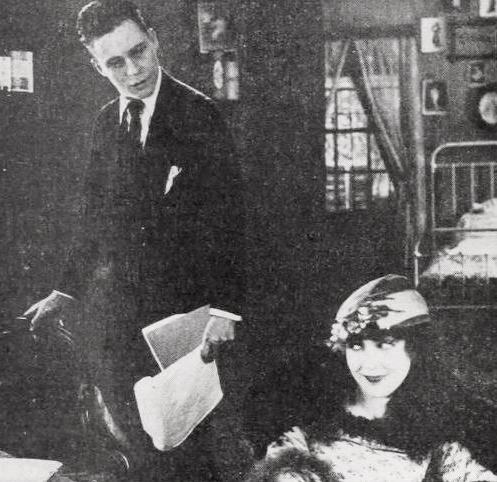
The visual language of The Heart of Romance is defined by its use of shadows and framing, a hallmark of Harry F. Millarde's style. By utilizing a 1918-era palette, the film creates an immersive experience that perfectly complements its cult themes.
| Cinematography | High-Contrast |
| Soundtrack | Experimental |
| Editing | Elliptical |
| Art Direction | Expressionist |
Visualizing the convergence of Harry F. Millarde's style and the core cult narrative.
Eloise Jackson, the ward of her wealthy uncle, Judge Stafford, spends thousands of dollars on extravagant parties for her friends. Harvey Greyson is a young and penniless writer struggling for recognition. When they meet at a party and fall in love, the judge, certain that Harvey is only enamored of Eloise's fortune, announces that he is bankrupt. Of all her friends, only Harvey sticks by her, offering his manuscripts to the deputy sheriff as security on the family's debts. Through his repeated efforts to secure money and employment for Eloise, Harvey convinces Judge Stafford that his love for the girl is true, and Eloise learns to curb her lavish spending. The judge sends Harvey's works to a publisher, and Harvey and Eloise become engaged.
Decades after its release, The Heart of Romance remains a vital piece of the cinematic puzzle. Its influence can be seen in countless modern works, solidifying Harry F. Millarde's status as a master of the craft in United States and beyond.