
DbcultAccessing Vault...
Director's Spotlight
Senior Film Conservator
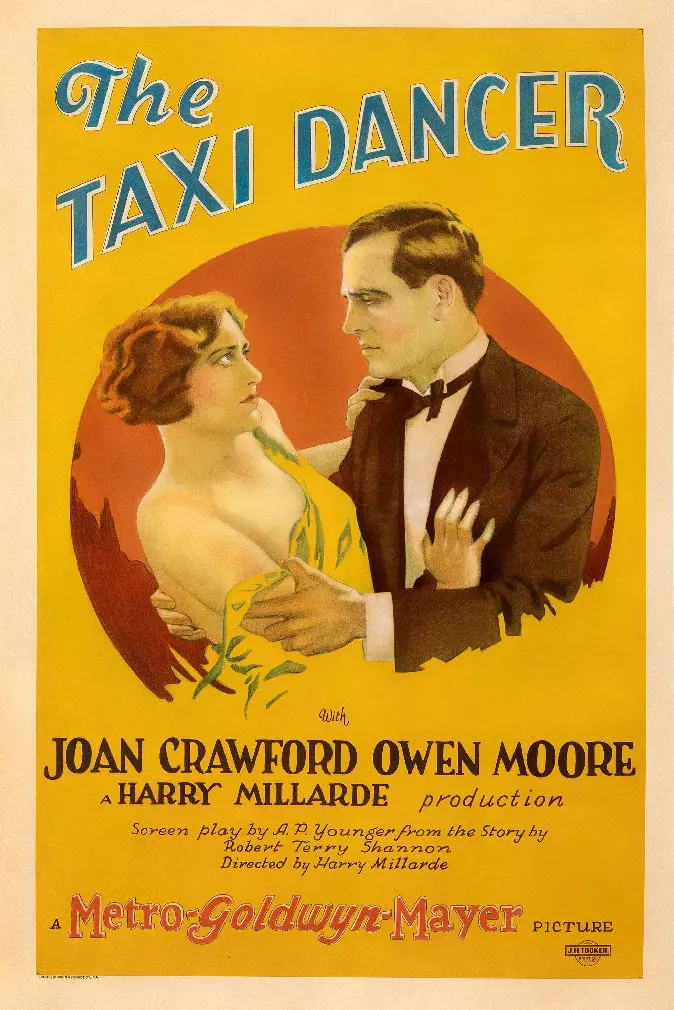
Director's Spotlight: United States
A Deep Dive into the 1927 Vision of Harry F. Millarde
The thematic gravity of The Taxi Dancer (1927) is rooted in the artistic risks taken by Harry F. Millarde that eventually paid off. Defining a new era of United States artistic expression, it demands to be seen by anyone who cares about the art of film.
In The Taxi Dancer, Harry F. Millarde pushes the boundaries of conventional narrative. The film's unique approach to its subject matter has sparked endless debates and interpretations among cinephiles and critics alike.
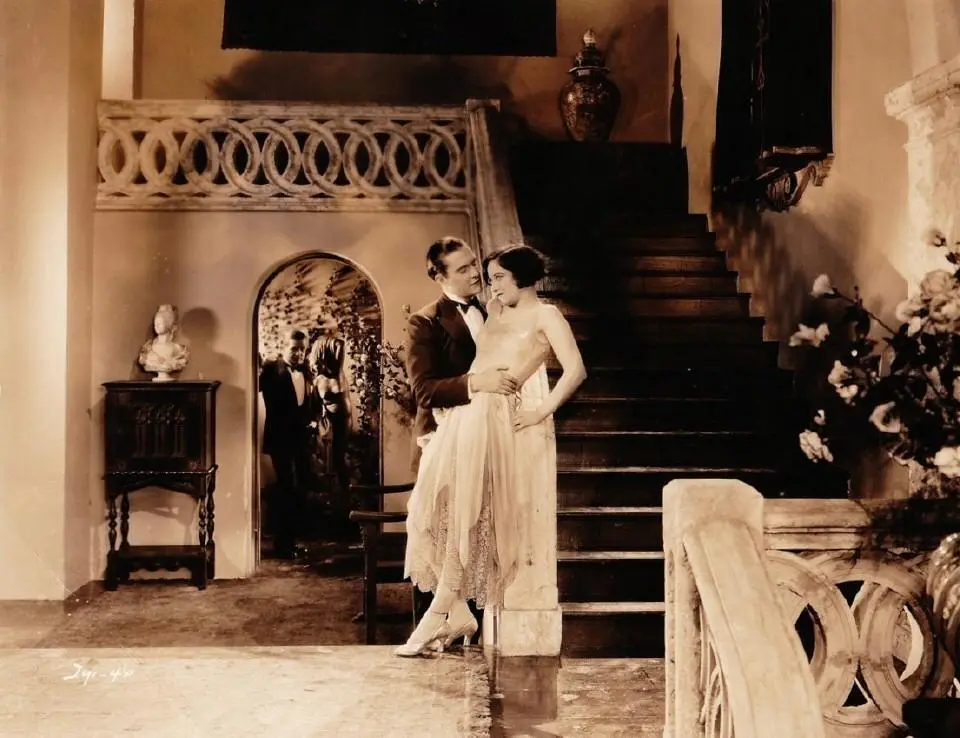
To fully appreciate The Taxi Dancer, one must consider the cinematic climate of 1927. During this period, United States was undergoing significant artistic shifts, and Harry F. Millarde was at the forefront of this Comedy movement, often challenging established norms.
| Cinematography | Handheld |
| Soundtrack | Experimental |
| Editing | Elliptical |
| Art Direction | Expressionist |
Visualizing the convergence of Harry F. Millarde's style and the core Comedy narrative.
Card shark Lee Rogers overhears Joselyn Poe crying in her furnished room. She is trying to get a dancing job in New York without any luck. He gets her a job as a taxi dancer through which she meets chorus girl Kitty who introduces her to all sorts of cads. Meanwhile Lee, who realizes he loves her, decides to go straight
Decades after its release, The Taxi Dancer remains a vital piece of the cinematic puzzle. Its influence can be seen in countless modern works, solidifying Harry F. Millarde's status as a master of the craft in United States and beyond.