
DbcultAccessing Vault...
Director's Spotlight
Senior Film Conservator
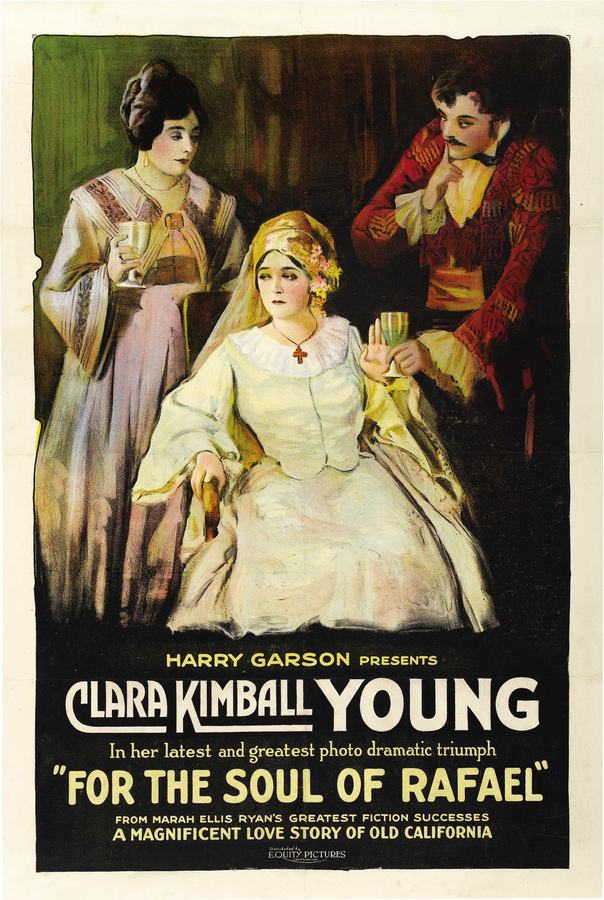
Director's Spotlight: United States
A Deep Dive into the 1920 Vision of Harry Garson
The enduring fascination with For the Soul of Rafael is a testament to the artistic risks taken by Harry Garson that eventually paid off. Challenging the viewer to find meaning in the Romance shadows, it reminds us of the fragility and beauty of the 1920s.
In For the Soul of Rafael, Harry Garson pushes the boundaries of conventional narrative. The film's unique approach to its subject matter has sparked endless debates and interpretations among cinephiles and critics alike.
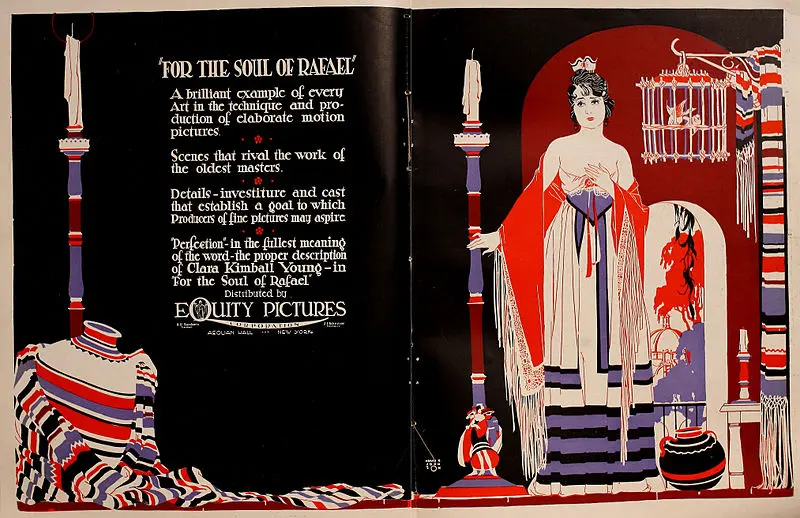
In this work, Harry Garson explores the intersection of Romance and United States cultural identity. The meticulous attention to detail suggests a deep-seated commitment to pushing the boundaries of the medium, ensuring that For the Soul of Rafael remains a relevant topic of study for Romance enthusiasts.
| Cinematography | Static |
| Soundtrack | Diegetic |
| Editing | Elliptical |
| Art Direction | Expressionist |
Visualizing the convergence of Harry Garson's style and the core Romance narrative.
Marta Estevan is ready to leave the convent where she has been reared. Dona Luisa Artega, mother of Rafael and the young girl's guardian, arranges a marriage between the two, because she thinks that Marta's influence will rescue her son from the wild life he is leading and make a man of him. Marta rescues the American Bryton, when he is attacked by Indians, and falls in love with him. Rafael's mother sends Bryton away by telling him that the girl has entered a convent for life, and after telling Marta that Bryton had been killed on the trail she exacts a vow from the girl that she will marry her son. Marta marries Rafael. Bryton comes back after the marriage and after Marta has found out the true character of her husband. The story moves on from this point to a happy ending, but with much action of tense and strenuous nature in between. - Moving Picture World, May 15, 1920.
Decades after its release, For the Soul of Rafael remains a vital piece of the cinematic puzzle. Its influence can be seen in countless modern works, solidifying Harry Garson's status as a master of the craft in United States and beyond.