
DbcultAccessing Vault...
Director's Spotlight
Senior Film Conservator
Director's Spotlight: United States
A Deep Dive into the 1926 Vision of Harry Garson
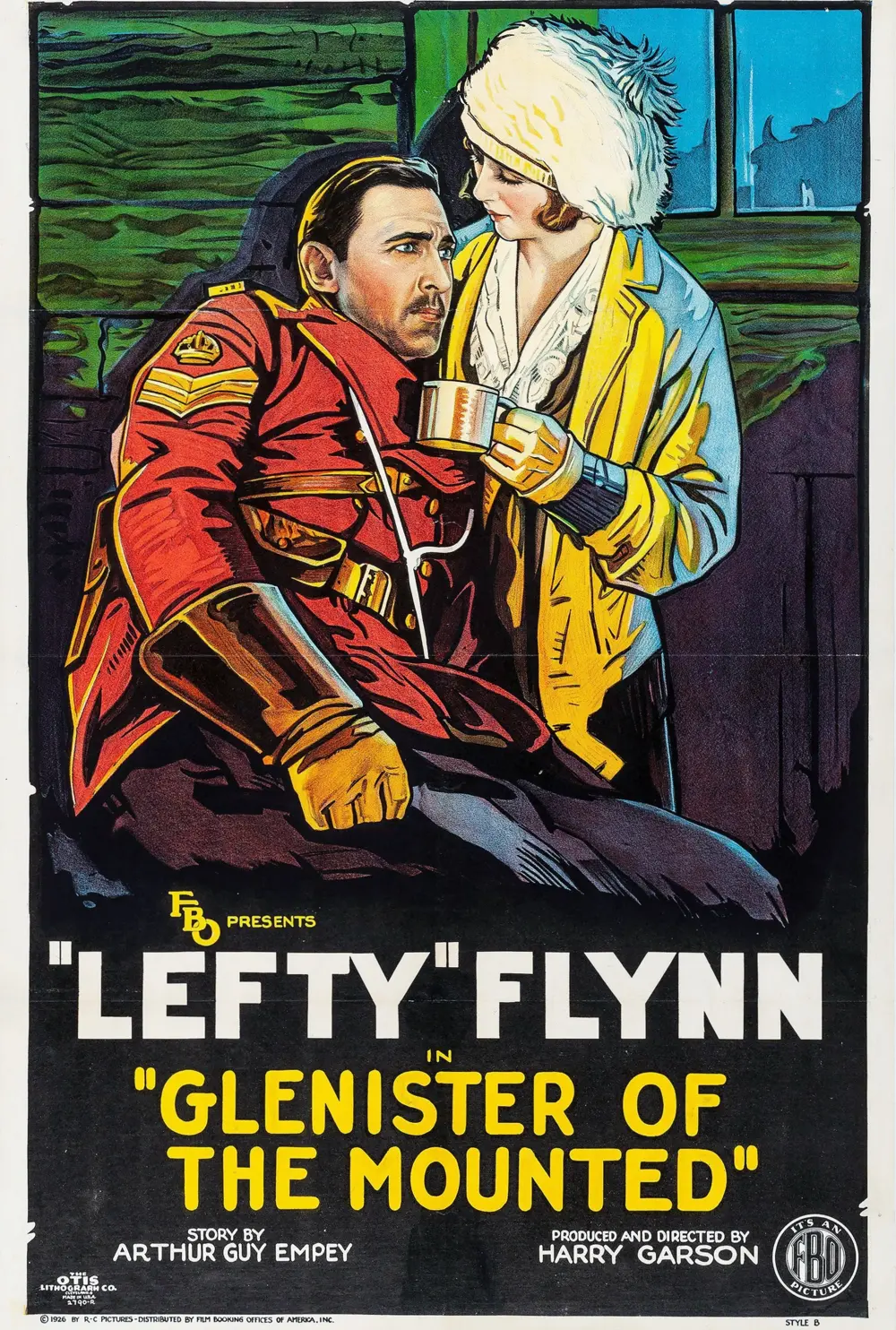
Peeling back the layers of Harry Garson's Glenister of the Mounted exposes the technical innovation that Harry Garson introduced to the Drama format. Driven by an uncompromising commitment to Drama excellence, it stands as the definitive 1926 statement on Drama identity.
In Glenister of the Mounted, Harry Garson pushes the boundaries of conventional narrative. The film's unique approach to its subject matter has sparked endless debates and interpretations among cinephiles and critics alike.
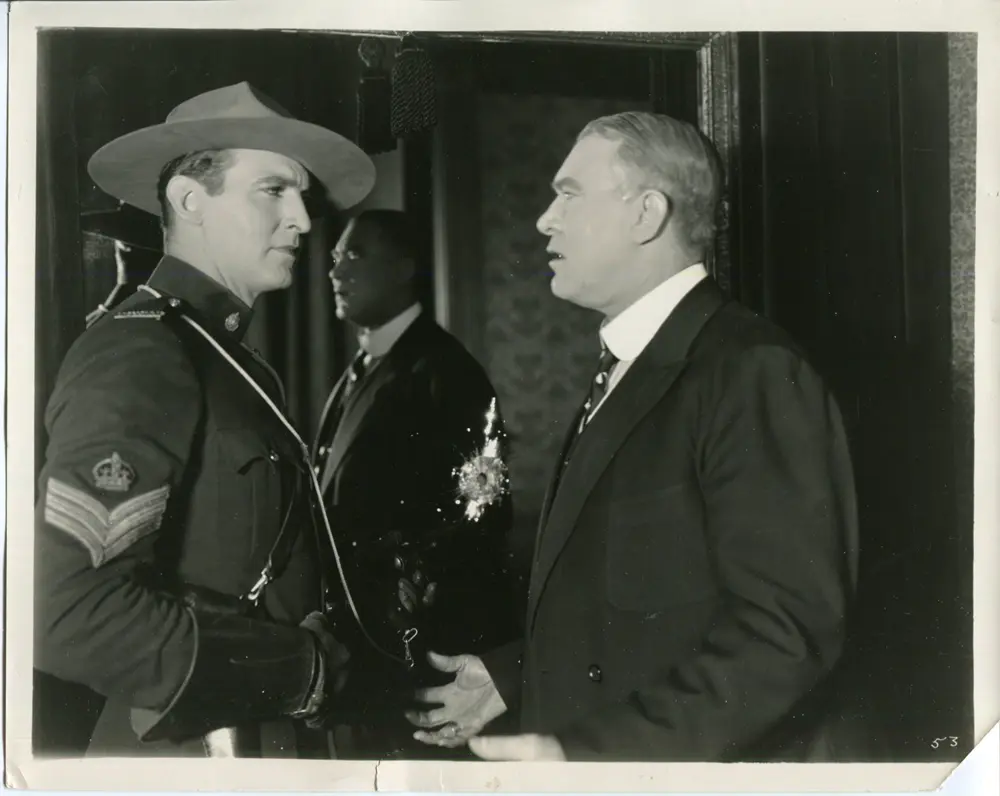
The visual language of Glenister of the Mounted is defined by its use of shadows and framing, a hallmark of Harry Garson's style. By utilizing a 1926-era palette, the film creates an immersive experience that perfectly complements its Drama themes.
| Cinematography | Handheld |
| Soundtrack | Orchestral |
| Editing | Slow-Burn |
| Art Direction | Brutalist |
Visualizing the convergence of Harry Garson's style and the core Drama narrative.
Sergeant Glenister of the Mounted Police, caught in the snows of the Northwest, is tended in a semiconscious state by Jack and Betty Danrock, who are fleeing from the police; at Rafferty's trading post Glenister again encounters the pair, but Betty disclaims having met him and poses as Jack's wife. Later, Dick is assigned to track down the murderers of Thorald's partner and captures the couple. Returning, they are caught in a forest fire, and Glenister is injured rescuing Jack; when he revives, the prisoners tell him their story and convince him of their innocence. Glenister discovers that Jack was tricked by an ingeniously placed mirror and that Thorald, the partner, is the murderer. Glenister forces him to confess.
Decades after its release, Glenister of the Mounted remains a vital piece of the cinematic puzzle. Its influence can be seen in countless modern works, solidifying Harry Garson's status as a master of the craft in United States and beyond.