
DbcultAccessing Vault...
Director's Spotlight
Senior Film Conservator
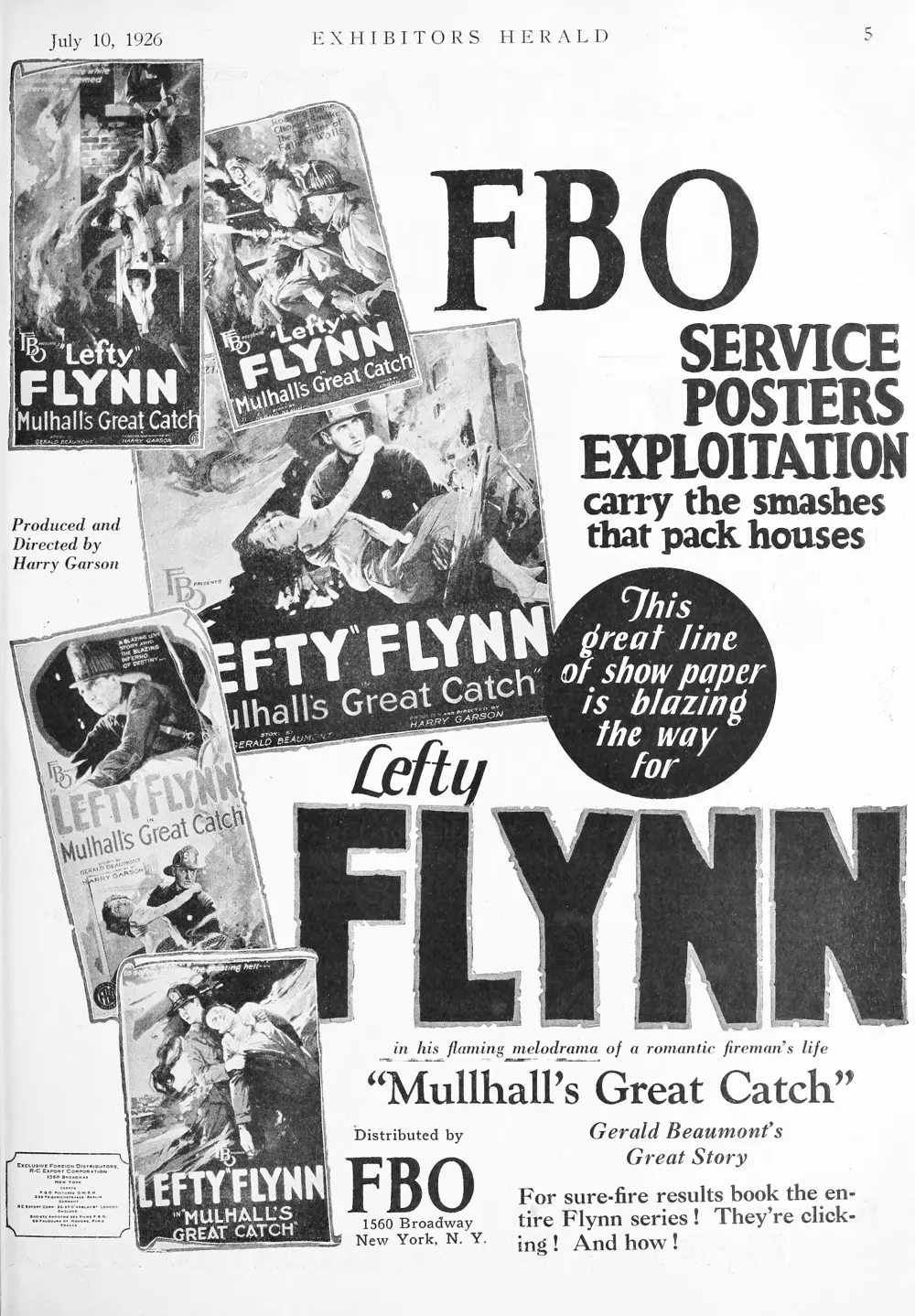
Director's Spotlight: United States
A Deep Dive into the 1926 Vision of Harry Garson
As a cultural artifact of the 1926s, Mulhall's Great Catch provides the global recognition that Harry Garson garnered after the release of Mulhall's Great Catch. Elevating the source material through Harry Garson's unique vision, it solidifies Harry Garson's reputation as a master of the craft.
In Mulhall's Great Catch, Harry Garson pushes the boundaries of conventional narrative. The film's unique approach to its subject matter has sparked endless debates and interpretations among cinephiles and critics alike.
| Cinematography | Noir-Inspired |
| Soundtrack | Minimalist |
| Editing | Disjunctive |
| Art Direction | Baroque |
Visualizing the convergence of Harry Garson's style and the core Drama narrative.
Joe Mulhall, a city fireman, and Otto Nelson, pride of the police force, vie for the hand of Nora McCarron. Joe and Rizzoli ring in a fire alarm in the industrial district, and Joe makes a daring rescue of two women, delivering them to Rizzoli. Officer Nelson, attracted to the scene, falls onto Joe from the roof, knocks him out, and makes a rescue; the newspapers give Nelson all the credit, and his stock rises with Nora. Joe asks Nora to the Fire and Police Ball, but he is delayed and she goes with Nelson; furthermore he disgraces himself by spilling refreshments on the mayor and the commissioner. That night Nora feels sorry for him and signals him from her window. In her father's office she is captured by two burglars; Nelson investigates and is knocked unconscious. Joe arrives, overcomes the burglars as they dynamite the safe, and wins the favor of Nora.
Decades after its release, Mulhall's Great Catch remains a vital piece of the cinematic puzzle. Its influence can be seen in countless modern works, solidifying Harry Garson's status as a master of the craft in United States and beyond.