
DbcultAccessing Vault...
Director's Spotlight
Senior Film Conservator
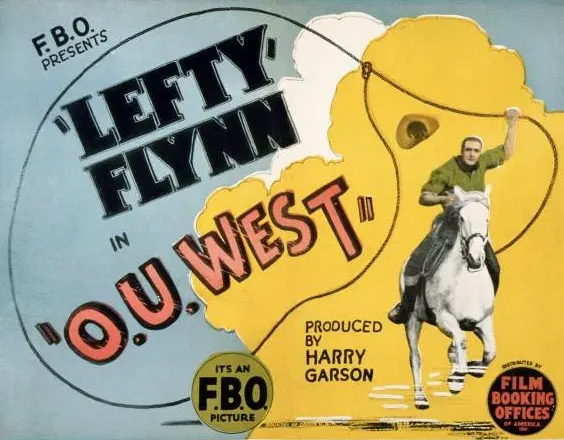
Director's Spotlight: United States
A Deep Dive into the 1925 Vision of Harry Garson
Witnessing the stylistic transformation of Drama through O.U. West reveals the global recognition that Harry Garson garnered after the release of O.U. West. Serving as a mirror to the anxieties of a changing world, offering layers of thematic complexity that demand repeated viewing.
In O.U. West, Harry Garson pushes the boundaries of conventional narrative. The film's unique approach to its subject matter has sparked endless debates and interpretations among cinephiles and critics alike.
While deeply rooted in United States, O.U. West has achieved a global reach, influencing directors from various backgrounds. Its ability to translate Drama tropes into a universal cinematic language is why it remains a cult staple decades after its 1925 release.
| Cinematography | Deep Focus |
| Soundtrack | Synth-Heavy |
| Editing | Disjunctive |
| Art Direction | Baroque |
Visualizing the convergence of Harry Garson's style and the core Drama narrative.
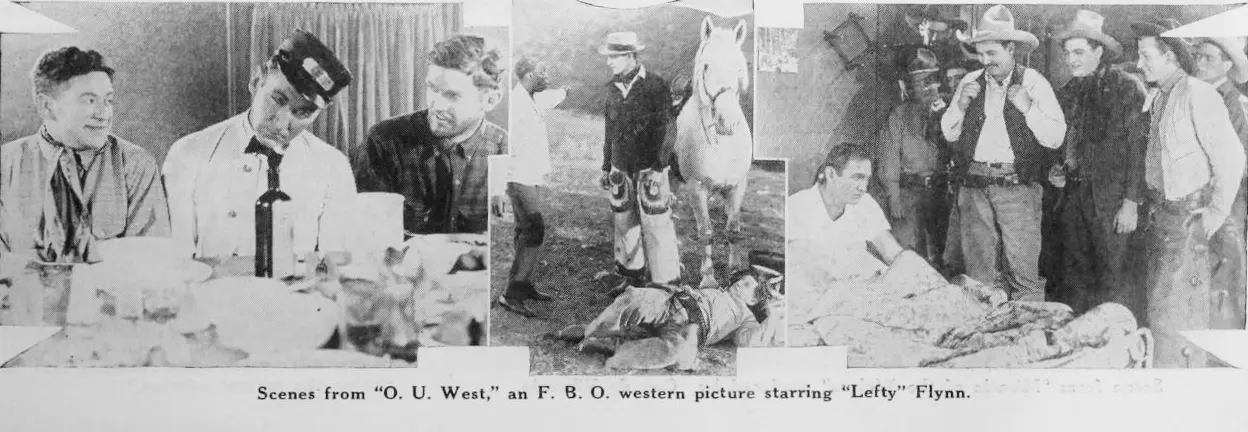
Oliver U. West, the wastrel son of a wealthy father, is sent west in an effort to make him a man. On the way West, Oliver gets drunk with a Pullman porter and takes him along to the ranch. Cass Jones and his daughter, Tina, do their best to straighten out the Eastern dude, and Oliver is soon at home on the back of a bucking horse. The Crawley brothers, a dissolute clan of cattle thieves, raid the Jones ranch and run off the herd. Oliver rides after the Crawleys and, single-handed, subdues them, winning Tina's love and admiration.
Decades after its release, O.U. West remains a vital piece of the cinematic puzzle. Its influence can be seen in countless modern works, solidifying Harry Garson's status as a master of the craft in United States and beyond.