
DbcultAccessing Vault...
Director's Spotlight
Senior Film Conservator
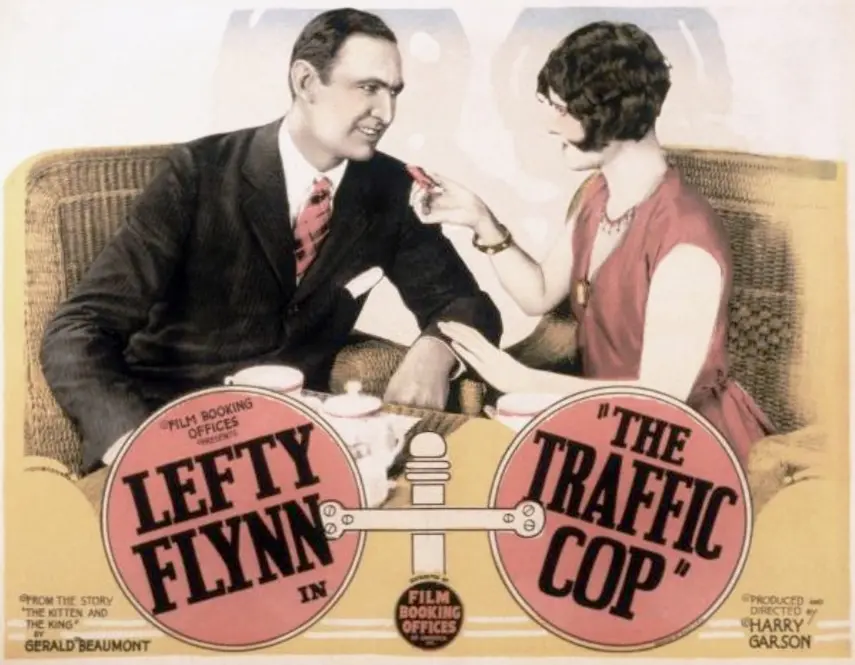
Director's Spotlight: United States
A Deep Dive into the 1926 Vision of Harry Garson
When we examine the cinematic landscape of United States, The Traffic Cop emerges as a landmark work of the enduring legacy of Harry Garson's artistic contribution to the genre. Through a lens of existential fatalism and Drama tropes, it captures a specific kind of cinematic magic that is rarely replicated.
In The Traffic Cop, Harry Garson pushes the boundaries of conventional narrative. The film's unique approach to its subject matter has sparked endless debates and interpretations among cinephiles and critics alike.
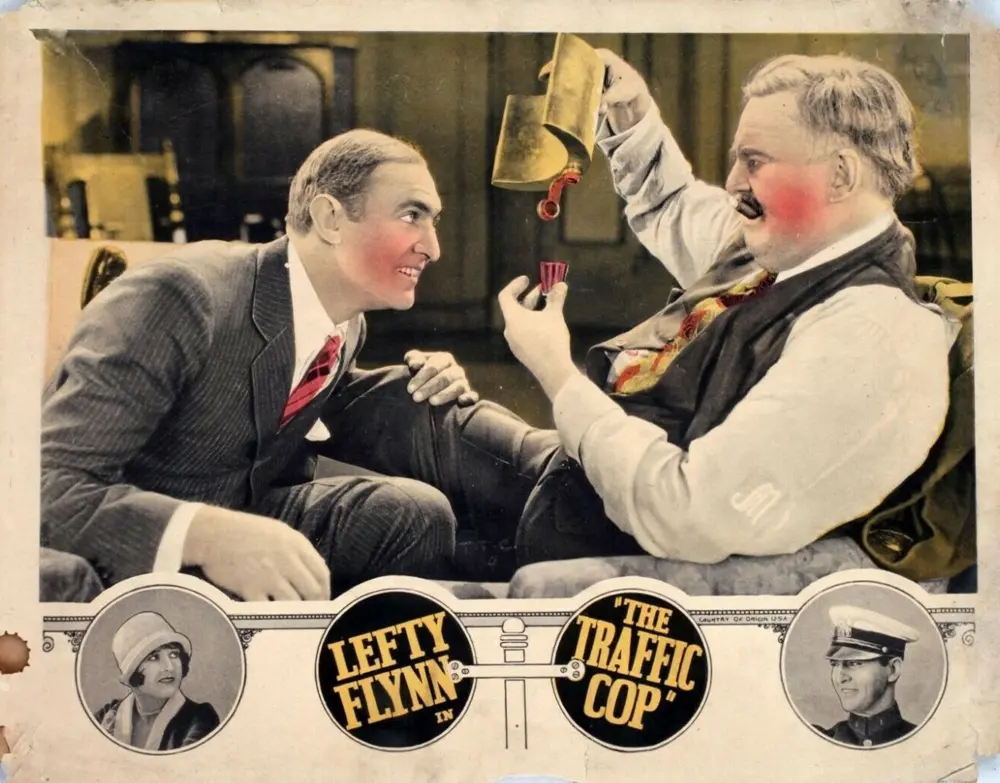
To fully appreciate The Traffic Cop, one must consider the cinematic climate of 1926. During this period, United States was undergoing significant artistic shifts, and Harry Garson was at the forefront of this Drama movement, often challenging established norms.
| Cinematography | Static |
| Soundtrack | Synth-Heavy |
| Editing | Rhythmic |
| Art Direction | Naturalist |
Visualizing the convergence of Harry Garson's style and the core Drama narrative.
Joe Regan, a kindly traffic cop, comes home with presents for Jerry Murphy, his young ward, and discovers that the boy has been hit by a car. The doctors advise a sea cure, and Joe takes Jerry to a seaside resort, where they meet Alicia Davidson. Joe falls in love with the girl, but her mother opposes the romance, disapproving of Joe's low social station. Joe later saves the entire Davidson family from certain death when the brakes of their car fail on a mountain road, and Mrs. Davidson then gives her grateful consent to a match between Joe and Alicia.
Decades after its release, The Traffic Cop remains a vital piece of the cinematic puzzle. Its influence can be seen in countless modern works, solidifying Harry Garson's status as a master of the craft in United States and beyond.