
DbcultAccessing Vault...
Director's Spotlight
Senior Film Conservator
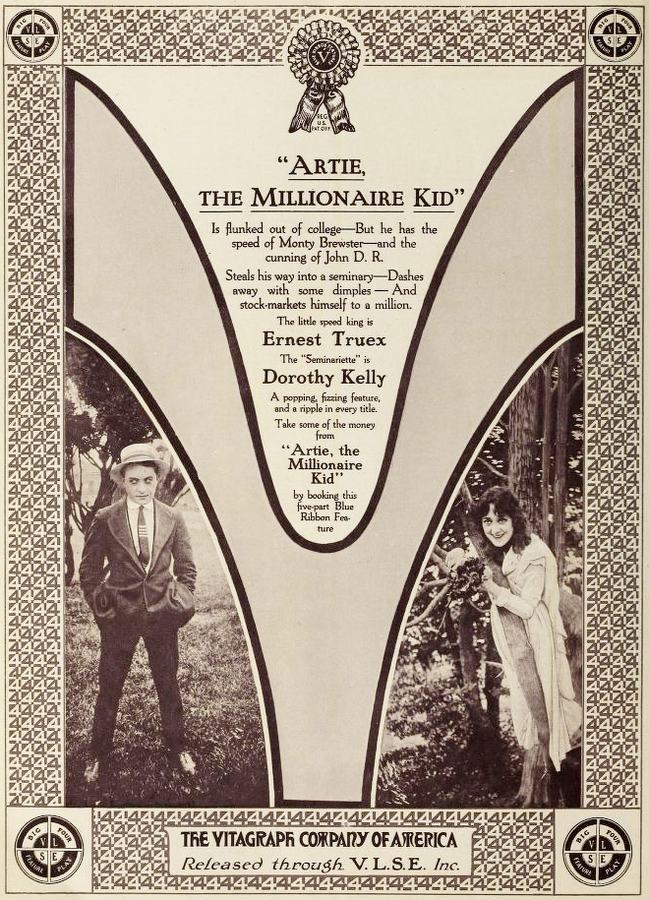
Director's Spotlight: United States
A Deep Dive into the 1916 Vision of Harry Handworth
The artistic breakthrough represented by Artie, the Millionaire Kid in 1916 highlights the uncompromising vision of Harry Handworth that defines this cult masterpiece. In the context of United States's rich cinematic history, it captures a specific kind of cinematic magic that is rarely replicated.
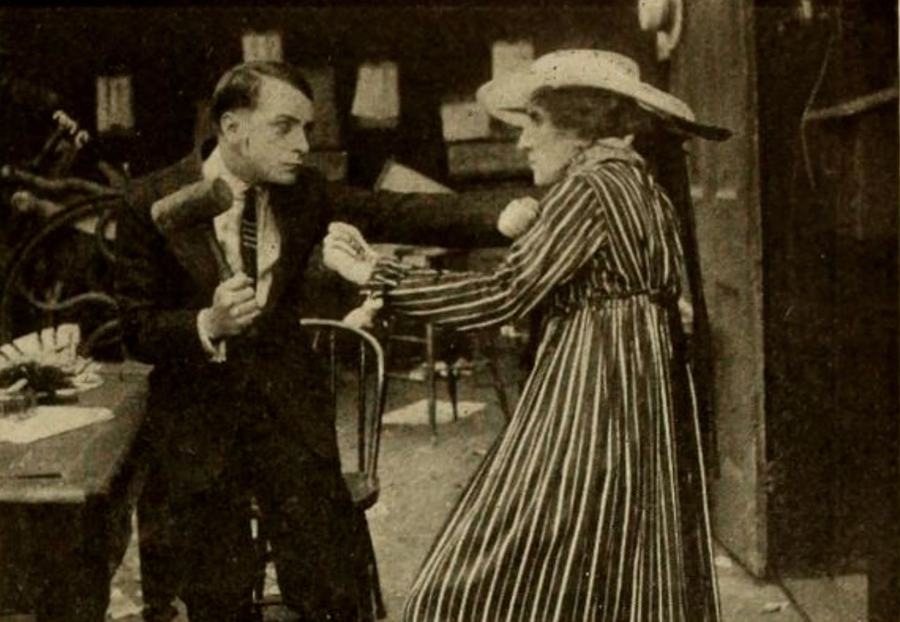
In Artie, the Millionaire Kid, Harry Handworth pushes the boundaries of conventional narrative. The film's unique approach to its subject matter has sparked endless debates and interpretations among cinephiles and critics alike.
| Cinematography | Deep Focus |
| Soundtrack | Orchestral |
| Editing | Slow-Burn |
| Art Direction | Brutalist |
Visualizing the convergence of Harry Handworth's style and the core cult narrative.
Young Artie Hamilton gets expelled from college, and his angered father--a wealthy railroad baron--throws him out of the house. Artie tells his father that within a year he'll have made enough money that he could buy his father's railroad. Soon afterwards Artie falls for a young girl he sees at a girls' school, Annabelle Willowboy. When he discovers that Annabelle is being courted by wealthy Uriah Updike, and that Updike's father owns property on which Artie's own father intends to build a branch of his railroad, Artie sees a chance to make his boast to his father come true--but it will take some scheming and trickery to do so, something Artie is fully prepared to do.
Decades after its release, Artie, the Millionaire Kid remains a vital piece of the cinematic puzzle. Its influence can be seen in countless modern works, solidifying Harry Handworth's status as a master of the craft in United States and beyond.