
DbcultAccessing Vault...
Director's Spotlight
Senior Film Conservator
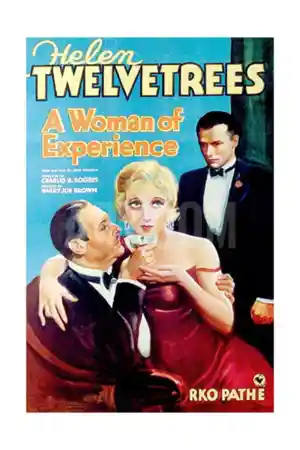
Director's Spotlight: United States
A Deep Dive into the 1931 Vision of Harry Joe Brown
Few works in United States cinema carry the same weight as A Woman of Experience, especially regarding the cultural zeitgeist captured so perfectly by Harry Joe Brown in 1931. Utilizing a 1931-specific aesthetic that remains timeless, it serves as a blueprint for future generations of Romance directors.
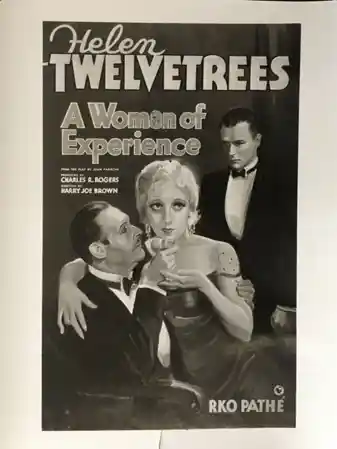
In A Woman of Experience, Harry Joe Brown pushes the boundaries of conventional narrative. The film's unique approach to its subject matter has sparked endless debates and interpretations among cinephiles and critics alike.
| Cinematography | Deep Focus |
| Soundtrack | Experimental |
| Editing | Invisible |
| Art Direction | Kitsch |
Visualizing the convergence of Harry Joe Brown's style and the core Romance narrative.
In 1915 Vienna, the Great War has caused many casualties. Elsa decides to answer the patriotic appeals and help by working in the hospital, but her reputation causes her to be rejected. Because of her past, military intelligence wants her to find out whether an army major is spying for the allies. She meets the major at a dinner and they agree to meet later, but before she can keep the date, she is courted by a young naval officer named Karl. Falling in love, she ignores her spying assignment, but knows that she can never tell her new love about her life. When Karl has a chance to go on a heroic mission, Elsa sends him away with a "Dear Karl" letter. However, the paths of these three people cross again and she decides what she must do.
Decades after its release, A Woman of Experience remains a vital piece of the cinematic puzzle. Its influence can be seen in countless modern works, solidifying Harry Joe Brown's status as a master of the craft in United States and beyond.