
DbcultAccessing Vault...
Director's Spotlight
Senior Film Conservator
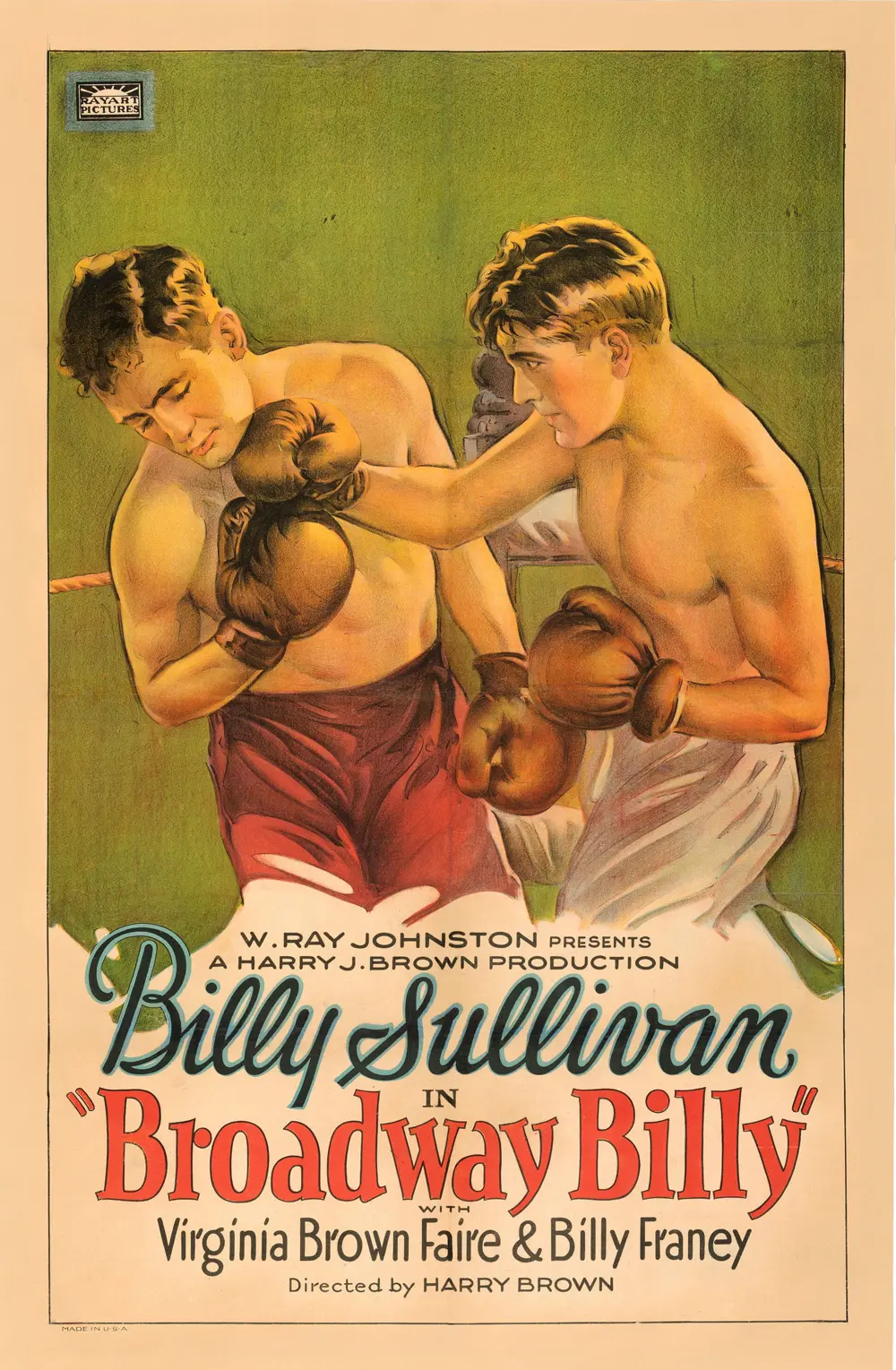
Director's Spotlight: United States
A Deep Dive into the 1926 Vision of Harry Joe Brown
The enduring fascination with Broadway Billy is a testament to the defining moment in Romance history that Harry Joe Brown helped create. This film stands as a masterclass in visual storytelling, it has cemented its place in the global cult cinema archive.
In Broadway Billy, Harry Joe Brown pushes the boundaries of conventional narrative. The film's unique approach to its subject matter has sparked endless debates and interpretations among cinephiles and critics alike.
While deeply rooted in United States, Broadway Billy has achieved a global reach, influencing directors from various backgrounds. Its ability to translate Romance tropes into a universal cinematic language is why it remains a cult staple decades after its 1926 release.
| Cinematography | Static |
| Soundtrack | Synth-Heavy |
| Editing | Rhythmic |
| Art Direction | Naturalist |
Visualizing the convergence of Harry Joe Brown's style and the core Romance narrative.
After winning the lightweight championship, Billy Brooks is rushed into the bright lights of Broadway;s Great White Way, along with his flighty wife, Phyllis. Ace O'Brien, the manager of Billy's next opponent, tries to weaken Brooks by getting him into all kinds of parties and also by trying to break up his love for Phyllis. He employs delightful Deloari, Broadway vamp-for-hire, to aid him and Delorai does her work so well that Brooks loses the fight. He, his manager and his trainer go to the Brooks apartment where Phyllis is throwing a big party, and the angry Brooks poops on the party and throws all attendees out. Phyllis leaves him. On the night of his comeback fight, Phyllis is injured in an automobile accident and taken to a hospital where her condition is diagnosed as serious. Brooks is kept from knowing about it until just before his fight. When he is told that Phyllis is listening to the fight on the radio, Brooks quickly dispatches his opponent and heads for a reconciliation with Phyllis.
Decades after its release, Broadway Billy remains a vital piece of the cinematic puzzle. Its influence can be seen in countless modern works, solidifying Harry Joe Brown's status as a master of the craft in United States and beyond.