
DbcultAccessing Vault...
Director's Spotlight
Senior Film Conservator
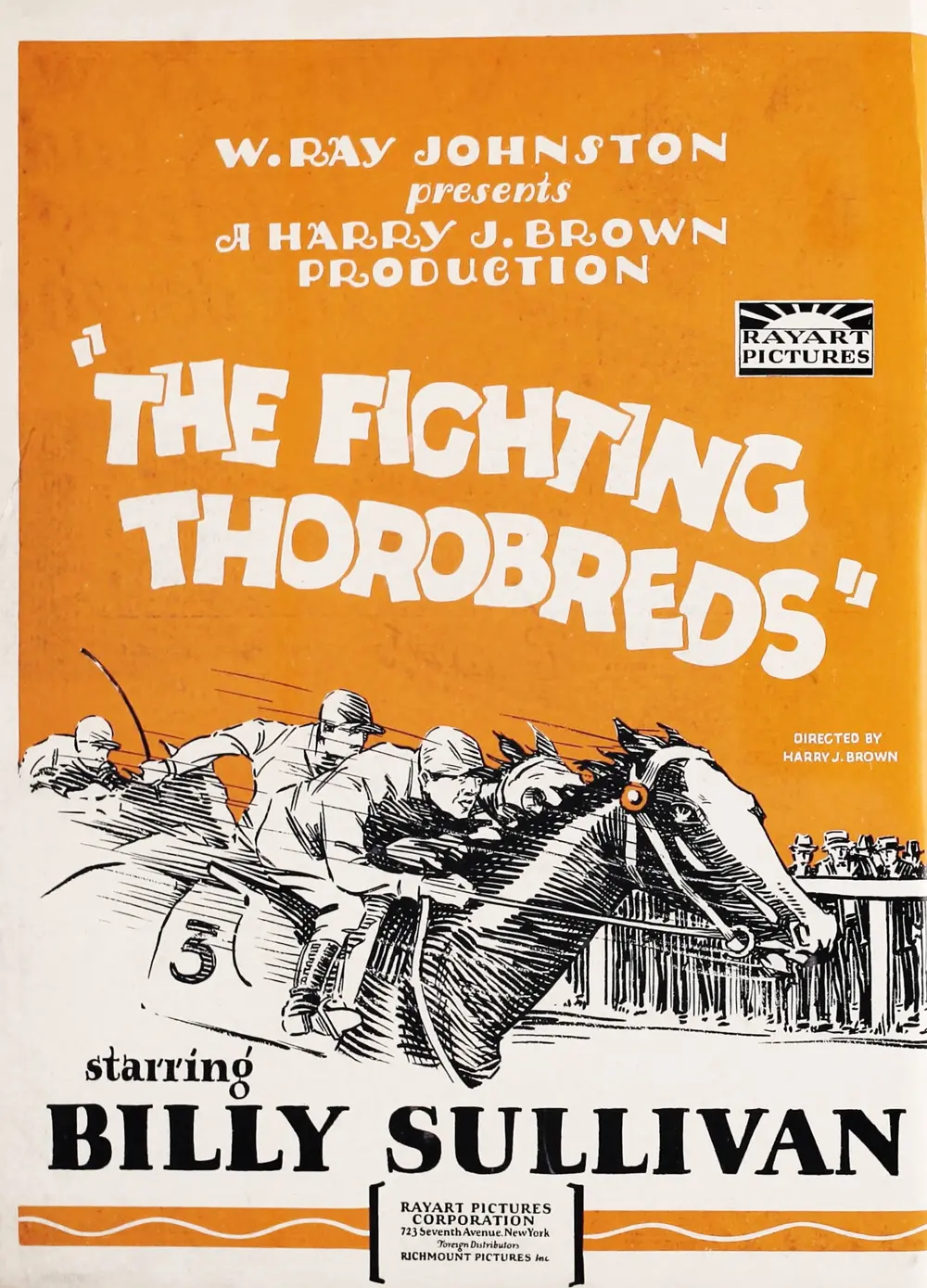
Director's Spotlight: United States
A Deep Dive into the 1926 Vision of Harry Joe Brown
As we revisit the 1926 masterpiece Fighting Thorobreds, we are struck by the meticulous attention to detail that Harry Joe Brown applied to every frame. Anchored by a narrative that is both personal and universal, it bridges the gap between traditional Drama and contemporary vision.
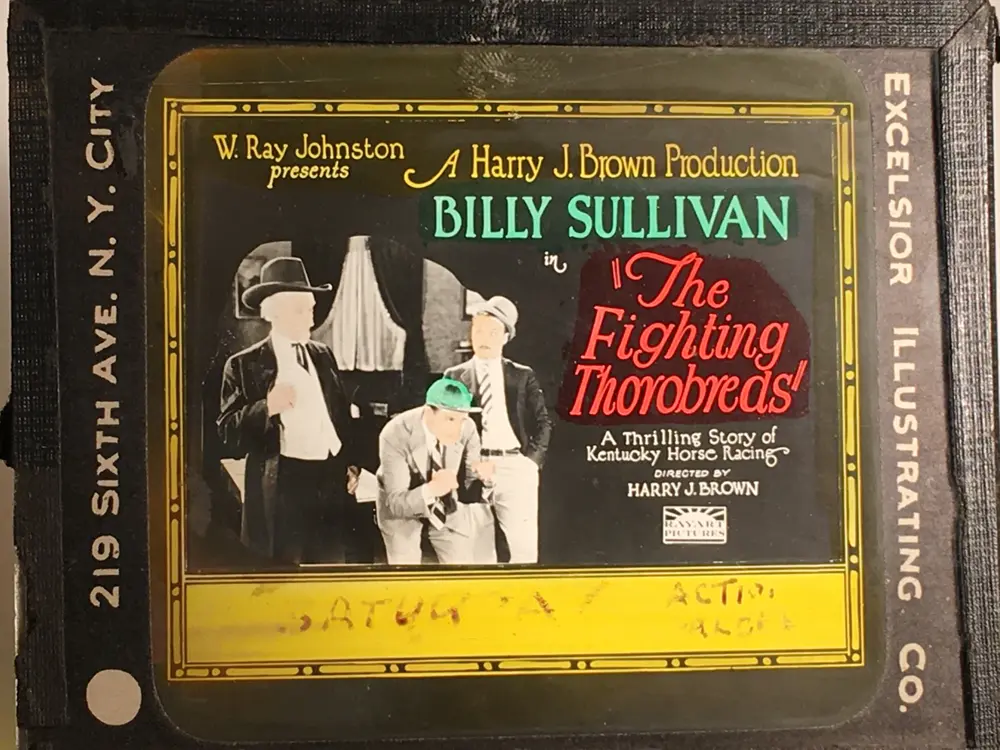
In Fighting Thorobreds, Harry Joe Brown pushes the boundaries of conventional narrative. The film's unique approach to its subject matter has sparked endless debates and interpretations among cinephiles and critics alike.
| Cinematography | Noir-Inspired |
| Soundtrack | Diegetic |
| Editing | Rhythmic |
| Art Direction | Naturalist |
Visualizing the convergence of Harry Joe Brown's style and the core Drama narrative.
After boxer Billy Barton gives blood to save the life of a seriously injured opponent, he becomes so weak that he can no longer fight. This prompts him to return to his former job as a jockey. He helps a horse-ranch owner to transport a thoroughbred to a big race in Kentucky. Then, when circumstances lead to their arrest, Billy is let out of jail in time to enter and win a boxing match for the purse, which he then uses to finance his entry in the race. Billy rides the horse to victory, thus saving the rancher and winning the hand of the rancher's daughter.
Decades after its release, Fighting Thorobreds remains a vital piece of the cinematic puzzle. Its influence can be seen in countless modern works, solidifying Harry Joe Brown's status as a master of the craft in United States and beyond.