
DbcultAccessing Vault...
Director's Spotlight
Senior Film Conservator
Director's Spotlight: United States
A Deep Dive into the 1929 Vision of Harry Joe Brown
Analyzing The Lawless Legion (1929) requires a deep dive into the unique directorial voice that Harry Joe Brown brought to the screen. By challenging the status quo of 1929 cinema, it continues to spark endless debates among critics and cinephiles alike.
In The Lawless Legion, Harry Joe Brown pushes the boundaries of conventional narrative. The film's unique approach to its subject matter has sparked endless debates and interpretations among cinephiles and critics alike.
In this work, Harry Joe Brown explores the intersection of Drama and United States cultural identity. The meticulous attention to detail suggests a deep-seated commitment to pushing the boundaries of the medium, ensuring that The Lawless Legion remains a relevant topic of study for Drama enthusiasts.
| Cinematography | Deep Focus |
| Soundtrack | Orchestral |
| Editing | Invisible |
| Art Direction | Kitsch |
Visualizing the convergence of Harry Joe Brown's style and the core Drama narrative.
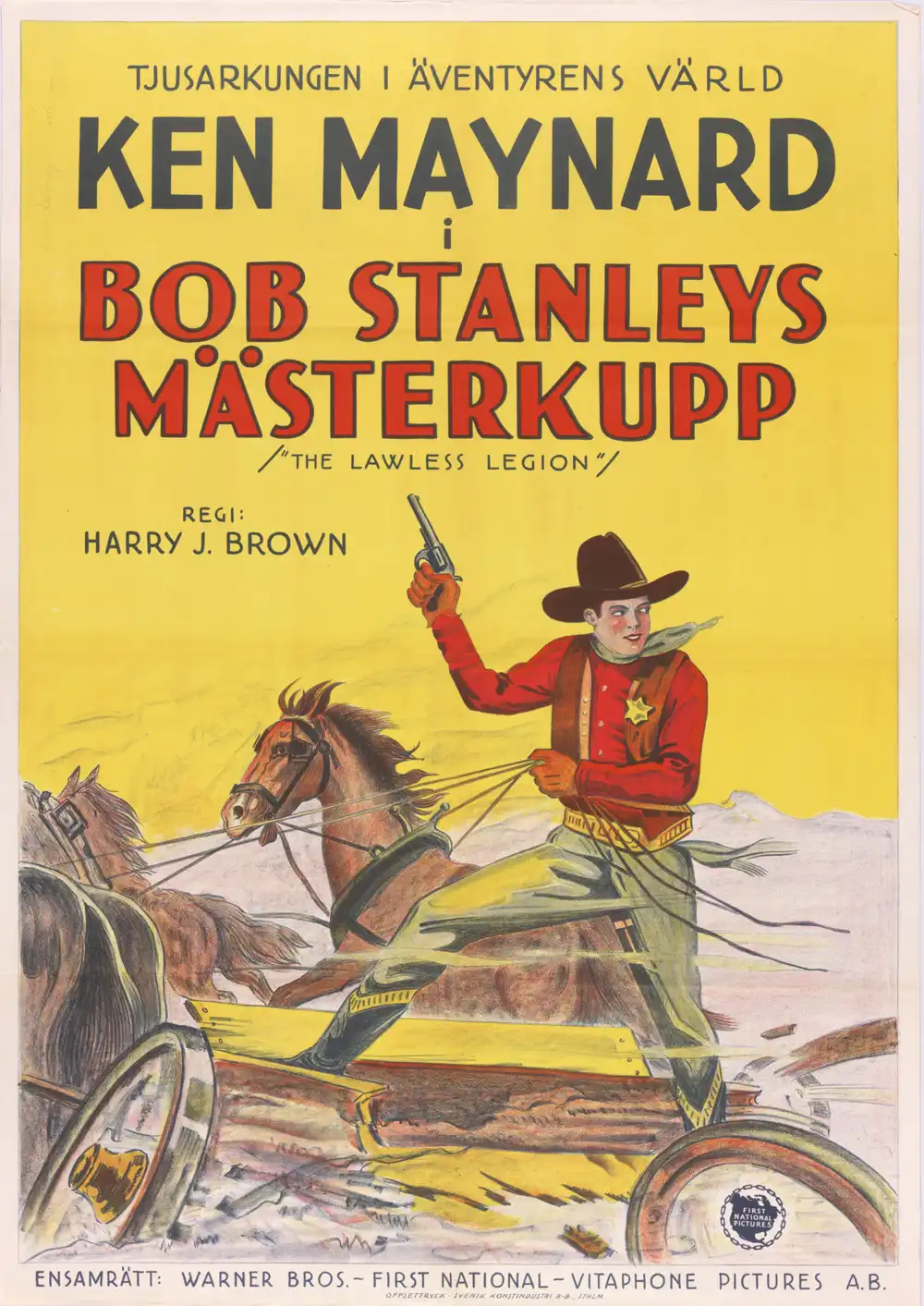
Sheriff Keiver's ( Howard Truesdell ) daughter, Mary ( Nora Lane ), promises to marry Cal Stanley ( Ken Maynard ) if he will drive a large herd of cattle from drought-stricken East Texas across the bad lands controlled by Ramirez ( Paul Hurst ), a rustling renegade, to Grass Valley. Cal is drugged on the way, and Ramírez steals the herd. Cal is held responsible and goes after the herd himself, posing as a cattle buyer. He gets the cattle back and rounds up the rustlers, winning Mary's love for himself.
Decades after its release, The Lawless Legion remains a vital piece of the cinematic puzzle. Its influence can be seen in countless modern works, solidifying Harry Joe Brown's status as a master of the craft in United States and beyond.