
DbcultAccessing Vault...
Director's Spotlight
Senior Film Conservator
Director's Spotlight: United States
A Deep Dive into the 1927 Vision of Harry Joe Brown
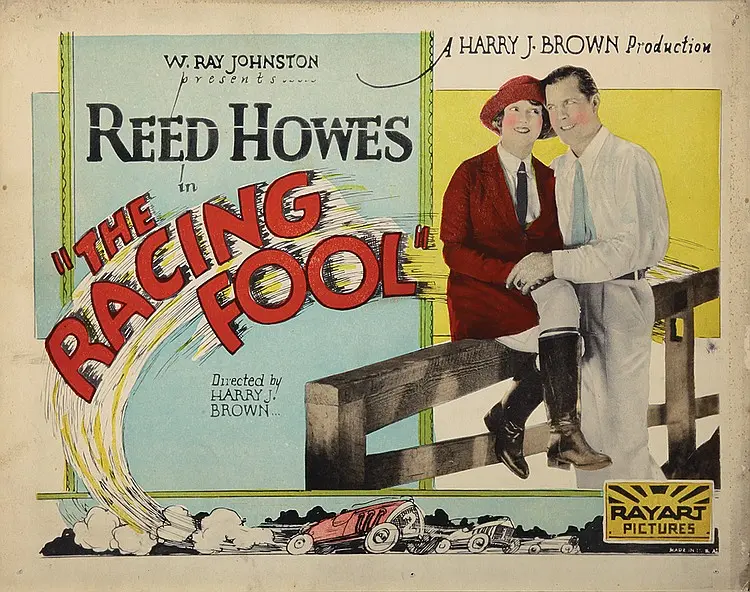
To understand the modern evolution of United States film, one must first look at The Racing Fool and the collaborative alchemy between Harry Joe Brown and the 1927 creative team. Subverting the expectations of the typical 1927 audience, it remains a vital reference point for anyone studying the evolution of Harry Joe Brown.
In The Racing Fool, Harry Joe Brown pushes the boundaries of conventional narrative. The film's unique approach to its subject matter has sparked endless debates and interpretations among cinephiles and critics alike.
In this work, Harry Joe Brown explores the intersection of Action and United States cultural identity. The meticulous attention to detail suggests a deep-seated commitment to pushing the boundaries of the medium, ensuring that The Racing Fool remains a relevant topic of study for Action enthusiasts.
| Cinematography | High-Contrast |
| Soundtrack | Diegetic |
| Editing | Rhythmic |
| Art Direction | Naturalist |
Visualizing the convergence of Harry Joe Brown's style and the core Action narrative.
Racing driver Jack Harlowe falls in love with Helen Drake, the daughter of his father's rival automobile manufacturer. Having promised his father to drive in the big race, Howes must refuse the girl's request that he drive for her father, but when he learns that another man (who has his eye on the girl) plans to drive for her father and throw the race, Howes receives parental permission to win the race for the rival.
Decades after its release, The Racing Fool remains a vital piece of the cinematic puzzle. Its influence can be seen in countless modern works, solidifying Harry Joe Brown's status as a master of the craft in United States and beyond.