
DbcultAccessing Vault...
Director's Spotlight
Senior Film Conservator
Director's Spotlight: United States
A Deep Dive into the 1929 Vision of Harry Joe Brown
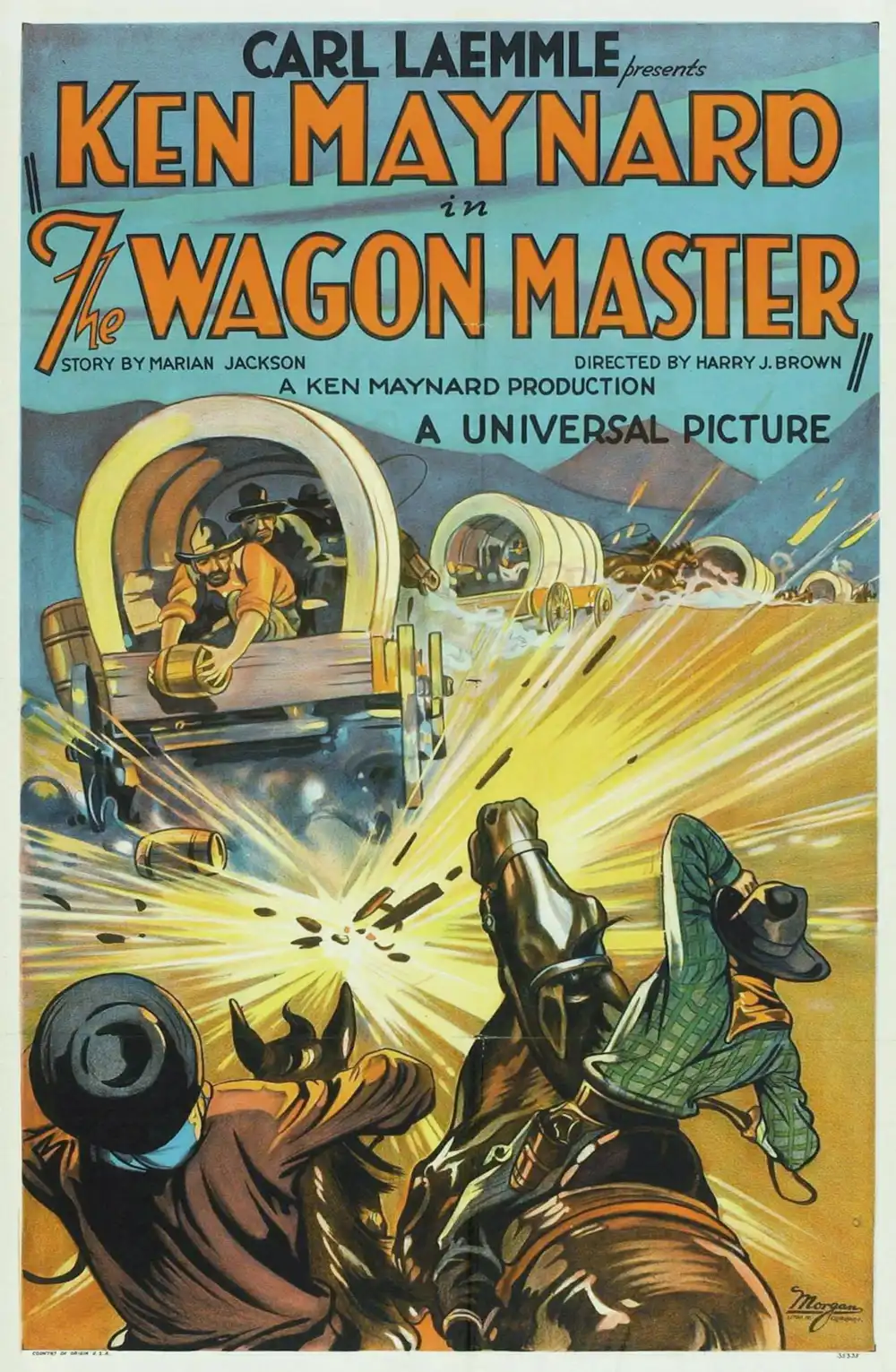
As we revisit the 1929 masterpiece The Wagon Master, we are struck by the meticulous attention to detail that Harry Joe Brown applied to every frame. Anchored by a narrative that is both personal and universal, it bridges the gap between traditional Drama and contemporary vision.
In The Wagon Master, Harry Joe Brown pushes the boundaries of conventional narrative. The film's unique approach to its subject matter has sparked endless debates and interpretations among cinephiles and critics alike.
| Cinematography | Noir-Inspired |
| Soundtrack | Orchestral |
| Editing | Invisible |
| Art Direction | Kitsch |
Visualizing the convergence of Harry Joe Brown's style and the core Drama narrative.
Bill Hollister organizes a wagon train to break the unfair monopoly held by Jake Lynch on food prices in the mining camps. The Rambler joins the train when it leaves for Gold Hill, and takes command when Hollister is killed from ambush. Jacques Frazelle, formerly Hollister's second-in-command, schemes to get rid of The Rambler and win Sue Smith. He plots with Lynch to disrupt the train, but The Rambler beats him in a whip-fight...
Decades after its release, The Wagon Master remains a vital piece of the cinematic puzzle. Its influence can be seen in countless modern works, solidifying Harry Joe Brown's status as a master of the craft in United States and beyond.