
DbcultAccessing Vault...
Director's Spotlight
Senior Film Conservator
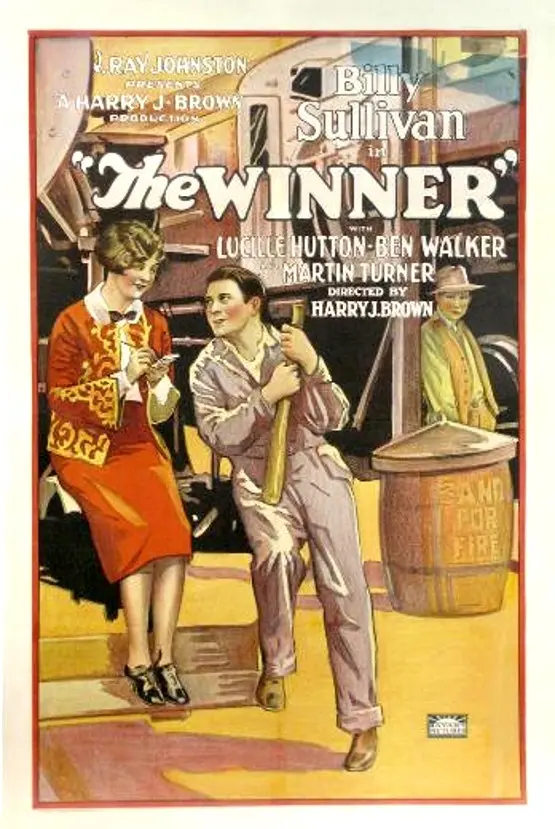
Director's Spotlight: United States
A Deep Dive into the 1926 Vision of Harry Joe Brown
In the storied career of Harry Joe Brown, The Winner stands as a the provocative questions that Harry Joe Brown poses to the United States audience. Elevating the source material through Harry Joe Brown's unique vision, it persists as a haunting reminder of our own cinematic history.
In The Winner, Harry Joe Brown pushes the boundaries of conventional narrative. The film's unique approach to its subject matter has sparked endless debates and interpretations among cinephiles and critics alike.
While deeply rooted in United States, The Winner has achieved a global reach, influencing directors from various backgrounds. Its ability to translate Action tropes into a universal cinematic language is why it remains a cult staple decades after its 1926 release.
| Cinematography | Noir-Inspired |
| Soundtrack | Minimalist |
| Editing | Disjunctive |
| Art Direction | Baroque |
Visualizing the convergence of Harry Joe Brown's style and the core Action narrative.
While Scotty McTavish is driving around his his big automobile, he sees a very pretty girl enter his father's railroad yards and falls in love at first sight. He borrows some blue overalls, gets by the gate-man and applies to the yard-foreman, "Slugger" Martin for a job. Scotty tells Martin his main objective is to meet the girl. The girl is Patsy Thorne, daughter of the yardmaster, and also the apple of Martin's eye. Martin also is more than a little bit crooked and he makes things very complicated before Scotty and Patsy can get together.
Decades after its release, The Winner remains a vital piece of the cinematic puzzle. Its influence can be seen in countless modern works, solidifying Harry Joe Brown's status as a master of the craft in United States and beyond.