
DbcultAccessing Vault...
Director's Spotlight
Senior Film Conservator
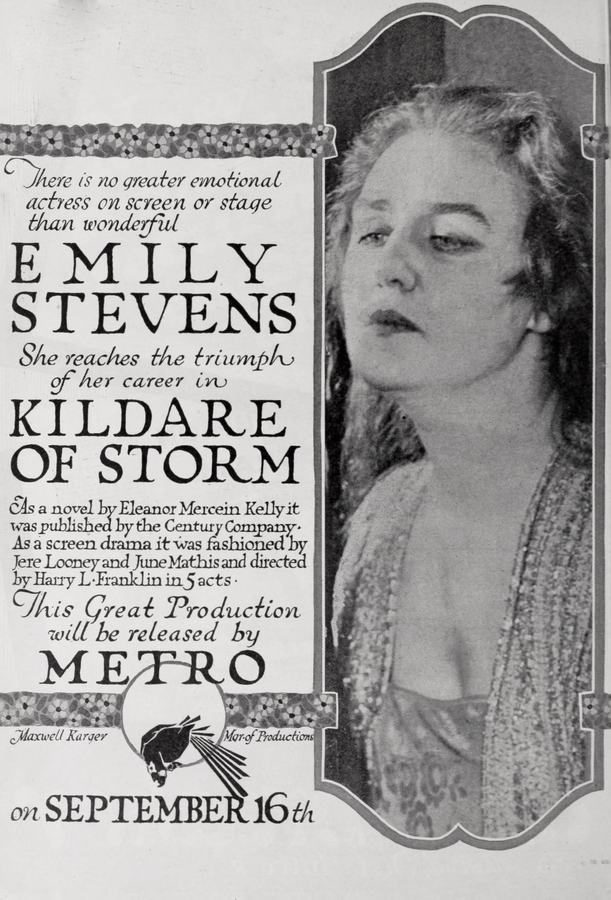
Director's Spotlight: United States
A Deep Dive into the 1918 Vision of Harry L. Franklin
To understand the modern evolution of United States film, one must first look at Kildare of Storm and the collaborative alchemy between Harry L. Franklin and the 1918 creative team. Subverting the expectations of the typical 1918 audience, it remains a vital reference point for anyone studying the evolution of Harry L. Franklin.
In Kildare of Storm, Harry L. Franklin pushes the boundaries of conventional narrative. The film's unique approach to its subject matter has sparked endless debates and interpretations among cinephiles and critics alike.
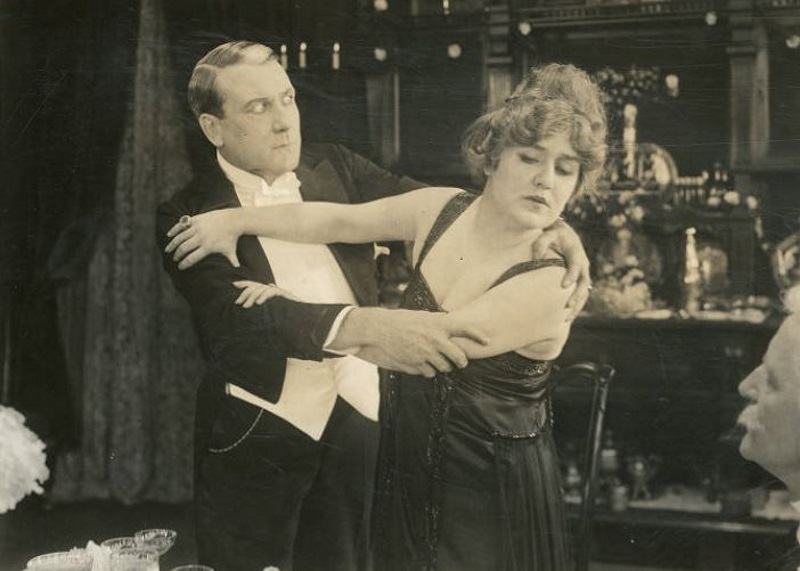
In this work, Harry L. Franklin explores the intersection of cult and United States cultural identity. The meticulous attention to detail suggests a deep-seated commitment to pushing the boundaries of the medium, ensuring that Kildare of Storm remains a relevant topic of study for cult enthusiasts.
| Cinematography | Handheld |
| Soundtrack | Minimalist |
| Editing | Slow-Burn |
| Art Direction | Brutalist |
Visualizing the convergence of Harry L. Franklin's style and the core cult narrative.
Because her mother wishes it, Kate Leigh marries Basil Kildare, the wealthy owner of a Southern plantation called Storm. His servant Mahaly, the mother of his illegitimate son, protests his infidelity so bitterly that Basil takes the child away from her. Kate soon finds that her new husband is a coarse and brutal alcoholic and seeks comfort in the friendship of Dr. Jacques Benoix and his mother. When Basil obtains a note written from his wife to Jacques, he finds the doctor and engages him in a brutal fight. After Basil is found dead, Jacques is sentenced to life in prison, but some years later, owing to Kate's unceasing efforts on his behalf, he is granted a pardon. On her deathbed, Mahaly confesses that she killed Basil, leaving Kate and Jacques to begin a new life together.
Decades after its release, Kildare of Storm remains a vital piece of the cinematic puzzle. Its influence can be seen in countless modern works, solidifying Harry L. Franklin's status as a master of the craft in United States and beyond.