
DbcultAccessing Vault...
Director's Spotlight
Senior Film Conservator
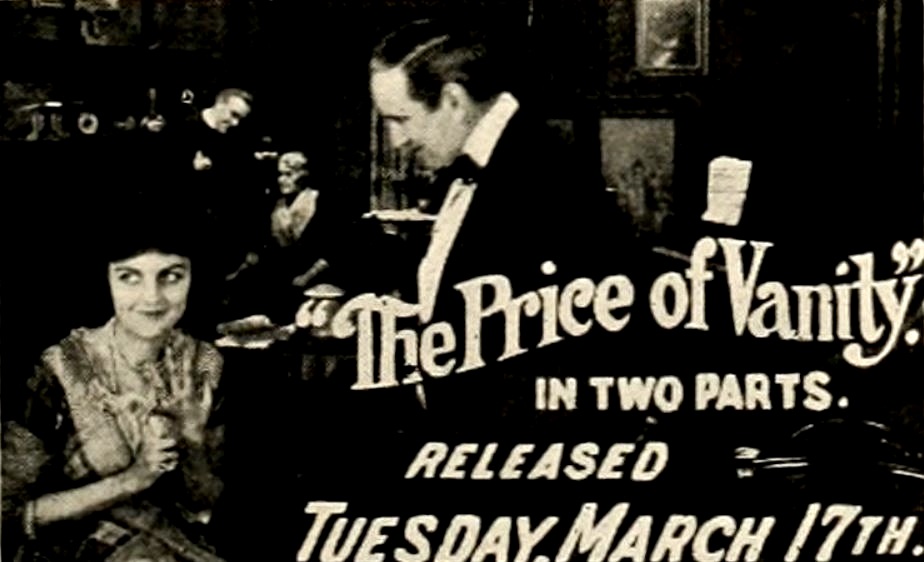
Director's Spotlight: United States
A Deep Dive into the 1914 Vision of Harry Lambart
Deciphering the layers of The Price of Vanity (1914) reveals a monumental shift in cult filmmaking spearheaded by Harry Lambart. With its avant-garde structure and atmospheric tension, offering layers of thematic complexity that demand repeated viewing.
In The Price of Vanity, Harry Lambart pushes the boundaries of conventional narrative. The film's unique approach to its subject matter has sparked endless debates and interpretations among cinephiles and critics alike.
In this work, Harry Lambart explores the intersection of cult and United States cultural identity. The meticulous attention to detail suggests a deep-seated commitment to pushing the boundaries of the medium, ensuring that The Price of Vanity remains a relevant topic of study for cult enthusiasts.
| Cinematography | Noir-Inspired |
| Soundtrack | Orchestral |
| Editing | Slow-Burn |
| Art Direction | Brutalist |
Visualizing the convergence of Harry Lambart's style and the core cult narrative.
Young, pretty and fond of dress, Rhoda Mills, brought up in moderate circumstances, prefers young Dick Arnold, just from college, to Gilman Beverly, a wealthy, middle-aged gentleman and a friend of her father's. Mr. Beverly is unselfishly devoted to Rhoda and after finding she loves Dick, withdraws in favor of the young man. He contributes a handsome check as a wedding present, and proves himself a faithful friend to the young people. All goes well, until one evening Dick is unable to go with them to the opera, and she and Beverly go alone. Dick returns home from business tired and irritable and when Rhoda and Mr. Beverly arrive, he becomes suspicious of their friend. The next day Dick, arriving home early, finds Mr. Beverly there and orders his wife to put a stop to his visits. He puts on his hat and coat, and goes out in a rage. Mr. Beverly sees something is wrong and persuades Rhoda to tell him. Stunned and hurt, he immediately goes out, leaving Rhoda weeping. Two years pass and Rhoda becomes tired of genteel poverty. One of her friends invites Dick and her to a reception at the St. Regis and Rhoda realizes she has no clothes suitable for the occasion. Dick gives her some of the rent money, making it up later on by night work. Unable to find anything suitable for the amount she has, in a moment of temptation, at the solicitation of a chum, she runs a bill at a fashionable dressmaker's. Later, when the dressmaker begins to press her for payments, she desperately pawns some of her jewelry, and finally becomes ill through worry. Dick has become intensely jealous of Beverly, who comes to visit Rhoda in her illness. Mad with jealous rage, he denounces her and Beverly, and orders her from the house. She meets Mr. Beverly and tells him all her troubles. He tries to comfort her and Dick sees Rhoda in his arms. Dick now determines to commit suicide, but is prevented by Rhoda and Beverly, and, after explanations, Rhoda says, "I have paid the price of vanity." After Beverly and Dick shake hands as friends once more, he goes out, leaving the two young people to their happiness.
Decades after its release, The Price of Vanity remains a vital piece of the cinematic puzzle. Its influence can be seen in countless modern works, solidifying Harry Lambart's status as a master of the craft in United States and beyond.