
Film History
The Moral Masquerade: How Silent Era Cautionary Tales Birthed the Cult of Transgression
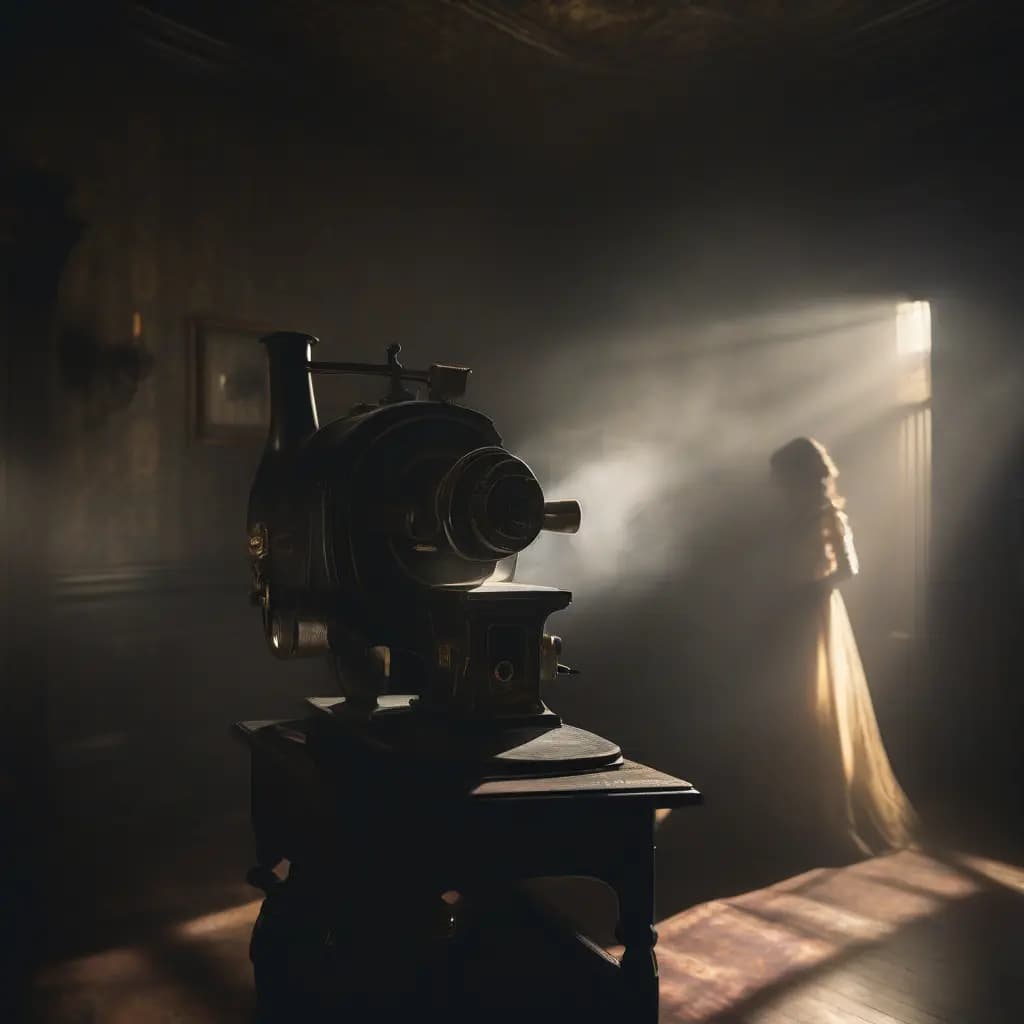
“Behind the veil of Victorian virtue, early cinema’s 'social hygiene' films and forbidden dramas engineered the voyeuristic DNA that defines modern cult obsession.”
There is a specific, electric brand of hypocrisy that fueled the first three decades of the moving image. Long before the midnight movie became a counter-culture ritual in the 1970s, the seeds of cinematic deviance were sown in the fertile soil of the 'cautionary tale.' These were films that arrived with a wagging finger and a stern warning, yet their lenses lingered a second too long on the very sins they claimed to condemn. This was the birth of the moral masquerade—a period where the forbidden was packaged as 'educational,' and the transgressive was sold as a civic duty. To understand why we are drawn to the fringe today, we must look back at the flickering shadows of the 1910s and 20s, where the blueprint for cult obsession was first etched in nitrate.
The Trojan Horse of Social Hygiene
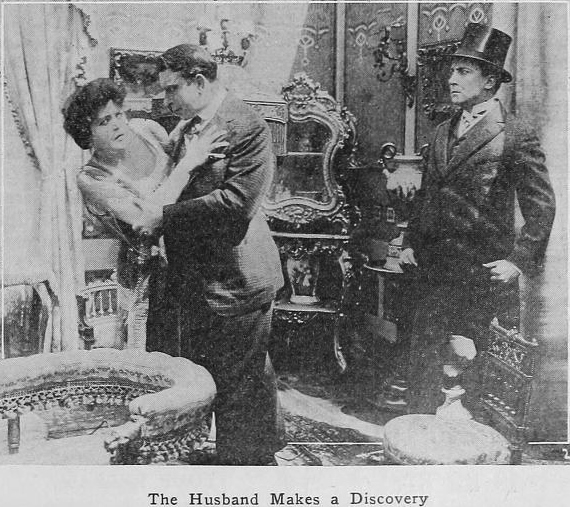
In 1914, a film titled The House of Bondage hit the screen like a tactical strike against polite society. Based on Reginald Wright Kauffman’s controversial novel, it purported to expose the 'white slavery' trade. The narrative was simple and brutal: a young girl, rebelling against the suffocating confines of her strict school, is tricked by a smooth-talking suitor and sold into a life of forced prostitution. On the surface, it was a warning to the daughters of the industrial age. In reality, it was a passport into the underworld.
The film was banned in multiple cities, a move that effectively functioned as the most successful marketing campaign of the era. By labeling the film 'dangerous,' censors inadvertently created the first cult phenomenon. Audiences didn't flock to the theater to be educated; they came to see the inside of a brothel, to witness the 'tricks' of the trade, and to experience a vicarious thrill that the pastoral romances of the day couldn't provide. This is the foundational lie of cult cinema: we claim to watch for the art or the message, but we stay for the transgression.
The censors of the 1910s were the unwitting architects of the midnight mindset, turning every banned frame into a holy relic for the curious and the rebellious.
Clara Kimball Young and the Dual Soul of the Screen
If The House of Bondage explored the external threats to virtue, The Worldly Madonna (1922) turned the camera inward. Starring the luminous Clara Kimball Young in a dual role, the film presents a fascinating psychological split that would become a staple of cult storytelling. Young plays Janet, a pious convent novitiate, and her twin sister Lucy, a hard-edged cabaret dancer who believes she has committed a murder. When they swap places, the film dives headfirst into the 'Madonna-Whore' complex that has haunted cinema for a century.
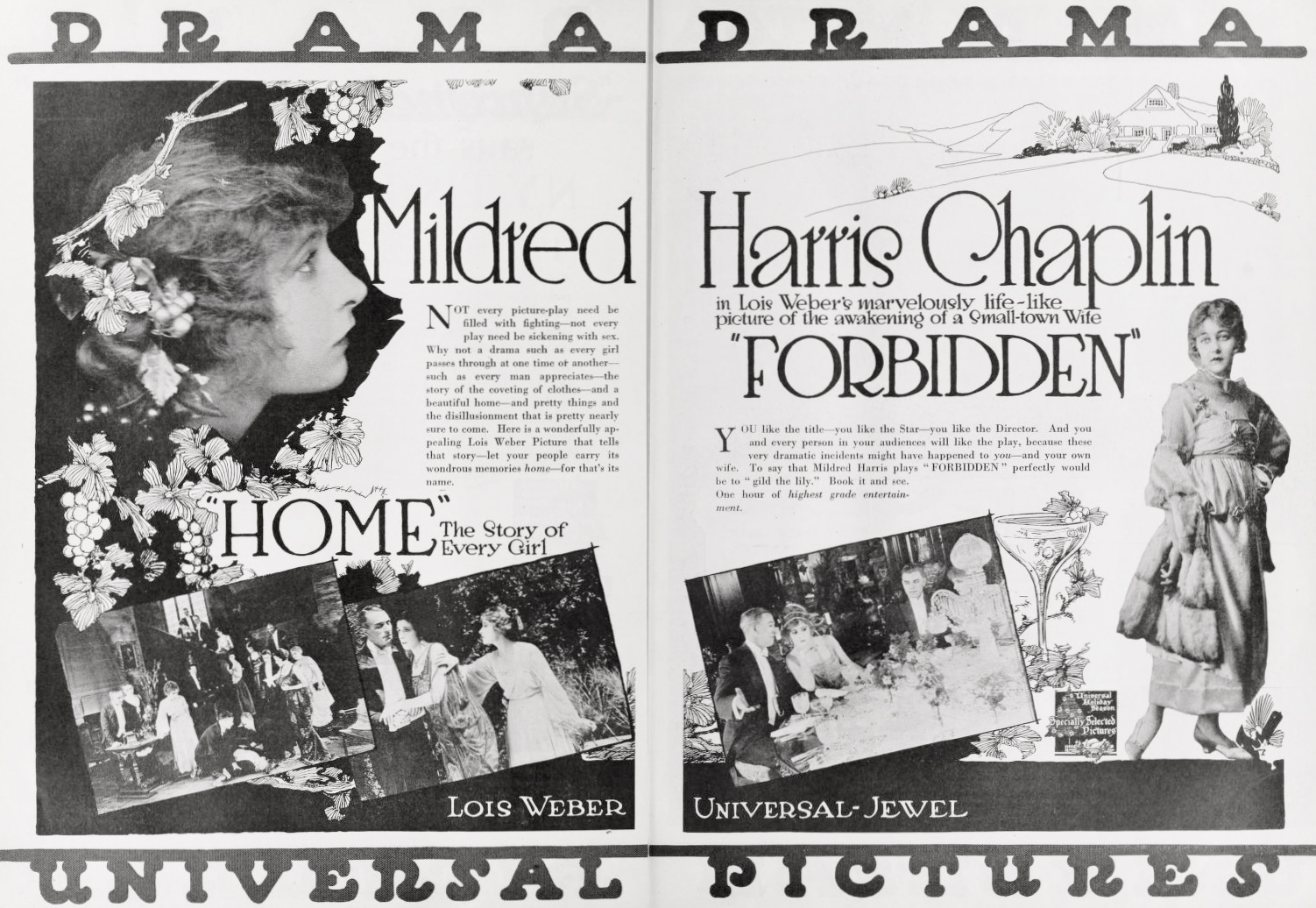
What makes The Worldly Madonna a proto-cult masterpiece is its refusal to fully condemn the cabaret life. The 'worldly' side of the narrative is filmed with a shimmering, seductive energy. The cabaret is a place of smoke, movement, and danger—a stark contrast to the sterile, silent walls of the convent. This duality reflects the audience's own internal conflict. We are Janet, trying to be good, but we are desperately curious about Lucy’s world. The film allows the viewer to 'sin' by proxy, providing a safe space to explore the dark underbelly of the jazz age under the guise of a redemption arc.
The Aesthetic of Otherness
- The use of high-contrast lighting to distinguish between the 'sacred' and the 'profane.'
- The performance of 'the swap' as a metaphor for the fluidity of identity—a theme that would later define the works of David Lynch or Cronenberg.
- The fetishization of the costume, where the habit and the flapper dress become symbols of a deeper, repressed war.
Visceral Shock: DeMille and the Brand of the Forbidden
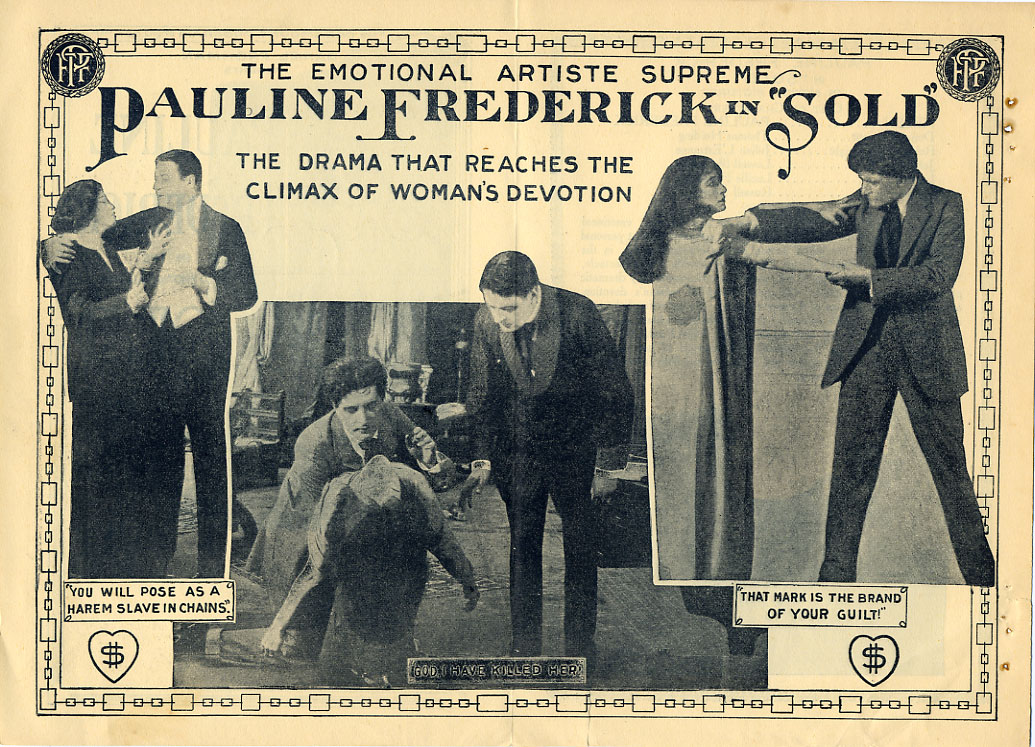
While some films relied on social hygiene, Cecil B. DeMille’s The Cheat (1915) opted for pure, unadulterated shock. The film features a venal socialite who embezzles charity funds and turns to a wealthy Burmese ivory trader (played with chilling intensity by Sessue Hayakawa) for a loan. When she tries to renege on their 'arrangement,' he brands her on the shoulder with his seal, claiming her as his property. It is a moment of visceral, physical transgression that remains jarring even by modern standards.
This scene is the 'money shot' of early cult cinema. It bypasses the intellect and strikes the nervous system. The brand is a permanent mark of shame, but for the audience, it was a mark of the 'unseen.' The Cheat didn't just tell a story; it created an image that couldn't be forgotten. It tapped into deep-seated racial anxieties and sexual power dynamics, packaging them in a high-society melodrama. This is where the cult of the 'problematic' begins—films that are undeniably well-made but contain elements so disturbing or politically charged that they demand a specialized kind of viewing.
The Naked Truth: Art as an Alibi
Perhaps the most brazen example of the moral masquerade is the 1915 film Inspiration. It tells the story of a sculptor searching for the perfect model to inspire his work. This narrative served as a thin excuse to feature full-frontal female nudity—the first time such a thing was done in a non-pornographic context. By framing the nudity within the context of 'High Art,' the producers managed to circumvent the obscenity laws of the time.
This 'Art as Alibi' strategy is a cornerstone of the exploitation films that would later populate the grindhouses of the 1960s and 70s. Whether it was the 'nudist colony' films or the 'educational' documentaries about tribal cultures, the tactic remained the same: show the forbidden, but call it something else. Inspiration proved that the camera was a voyeuristic tool, and that the audience was willing to participate in the charade as long as they were given a 'respectable' reason to look.
The Lingering Shadow of the Nitrate Fringe
We often think of cult cinema as a modern invention—a product of the post-war counter-culture or the home video revolution. But the DNA of the misfit movie was written in the silent era. When we watch a film like Der Yoghi (1916), where an Indian mystic uses invisibility to terrorize an inventor, we are seeing the early flickers of the supernatural thriller and the psychological horror that would later define the cult canon. When we look at the nationalist tensions in Alsace (1916), we see the roots of the political provocation that fuels modern underground cinema.
These early films were not just 'old movies.' They were experiments in what the medium could get away with. They were the first attempts to map the boundaries of the acceptable and then gleefully step over them. The 'cautionary' aspect was the tax they paid to exist, but the heart of these films was always in the transgression. They taught us how to watch with a secret eye, how to find beauty in the 'fallen,' and how to worship at the altar of the forbidden.
The next time you find yourself in a darkened theater at midnight, watching a film that society tells you is 'trash' or 'dangerous,' remember the pioneers of the 1910s. Remember the girls in The House of Bondage and the branded shoulder in The Cheat. They were the original heretics, and we are simply the latest congregation in a century-long ritual of looking where we are told not to. The moral masquerade continues, but the mask has never been thinner.
Community
Comments
Log in to comment.
Loading comments…