
Film History
The Industrial Gothic: Decoding the Factory-Floor Nightmares That Birthed Cult Cinema’s Machine Obsession
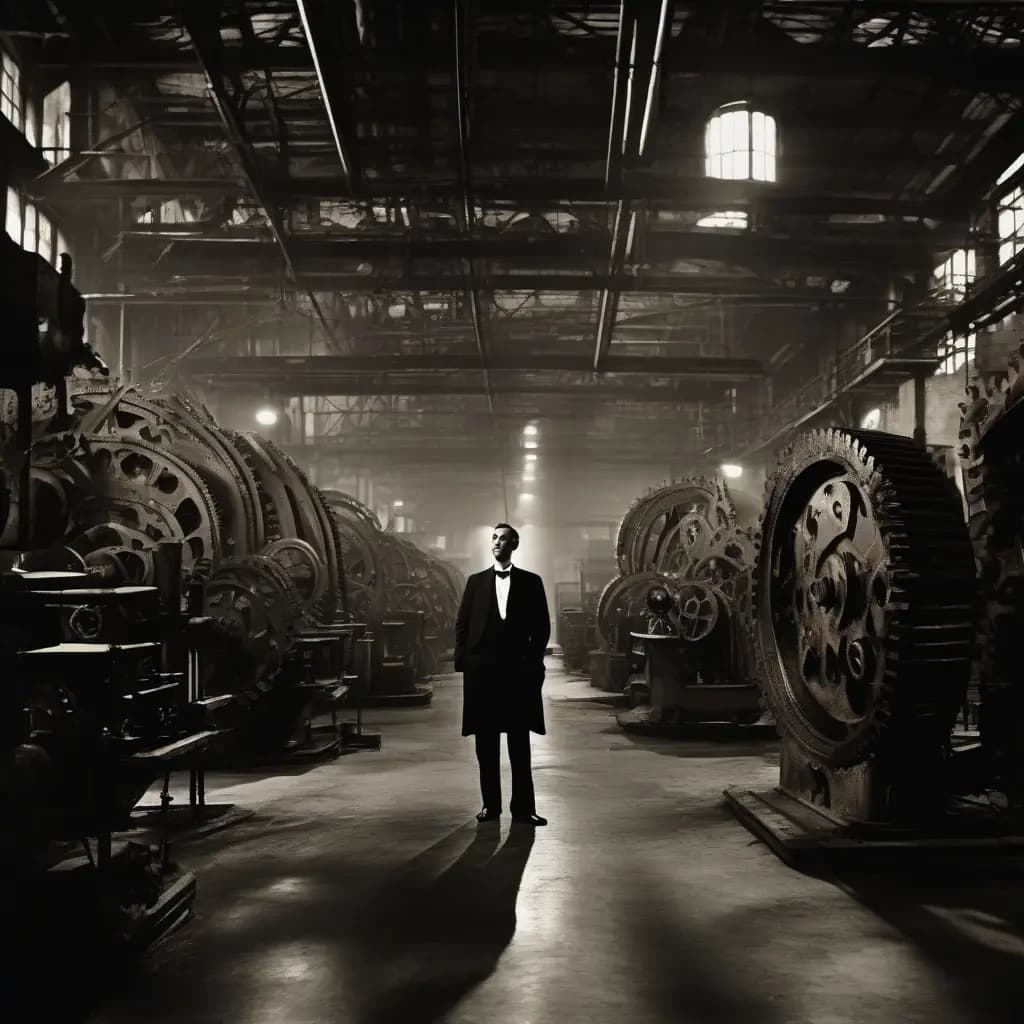
“Long before the midnight movie era, the silent screen was haunted by the gears of industry, creating a subgenre of mechanical dread that mirrors our modern cult obsessions.”
We often trace the genealogy of the midnight movie to the psychedelic 1960s or the transgressive 1970s, citing the birth of the cult phenomenon as a byproduct of counter-culture rebellion. But if you peer through the flickering nitrate haze of the 1910s and 20s, a darker, more mechanical ancestor emerges. This is the Industrial Gothic—a forgotten subgenre where the primary antagonist isn't a vampire or a ghoul, but the crushing weight of the assembly line and the sociopathic ambition of the factory owner. These films didn't just entertain; they captured a primal anxiety about the dehumanization of the modern soul, setting a blueprint for the mechanical nightmares of David Lynch and Shinya Tsukamoto decades before the term 'cult film' even existed.
The Double in the Dynamo: Identity Crisis on the Factory Floor
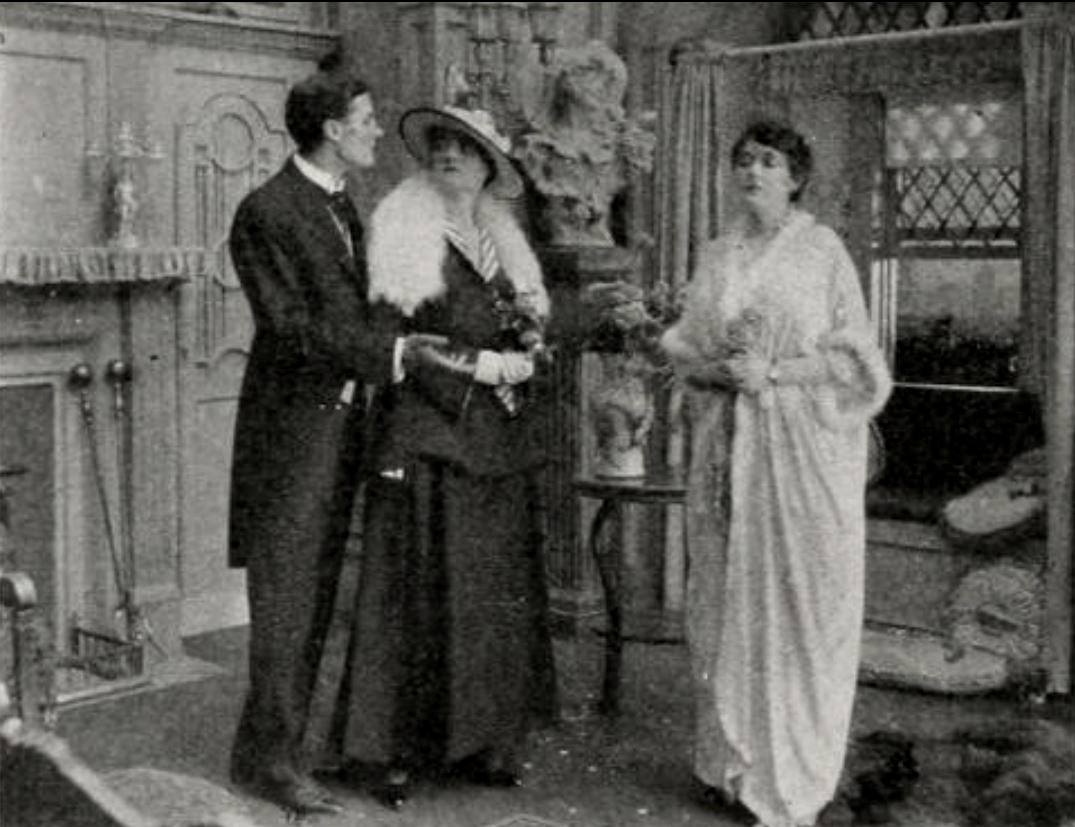
At the heart of the Industrial Gothic lies the trope of the fractured self. In the 1916 rarity The City of Failing Light, we see this played out with surgical precision. The narrative centers on John Gray, a factory owner who collapses during a strike—a moment where the friction of labor becomes a literal physical ailment. The solution? His doctor suggests his lookalike brother, David, take his place. This isn't just a convenient plot device; it is a profound commentary on the interchangeable nature of the individual within the industrial machine. In the eyes of the factory, the man is merely a component that can be swapped out when it malfunctions.
This concept of the 'Industrial Double' resonates deeply with the cult cinema ethos of the 1970s, where characters often found themselves alienated from their own bodies. The factory in The City of Failing Light serves as a cathedral of shadows, a place where the strike isn't just a political action, but a spiritual rupture. When we watch David navigate his brother's life, we are witnessing the birth of the cinematic 'imposter'—a theme that would later define the paranoid thrillers of the Cold War and the identity-horror of the midnight circuit.
The true horror of the early 20th century wasn't found in the supernatural, but in the realization that a human being could be replaced by a shadow, a twin, or a gear without the world noticing the difference.
The Moral Decay of the Industrialist: Ambition as a Malignant Force
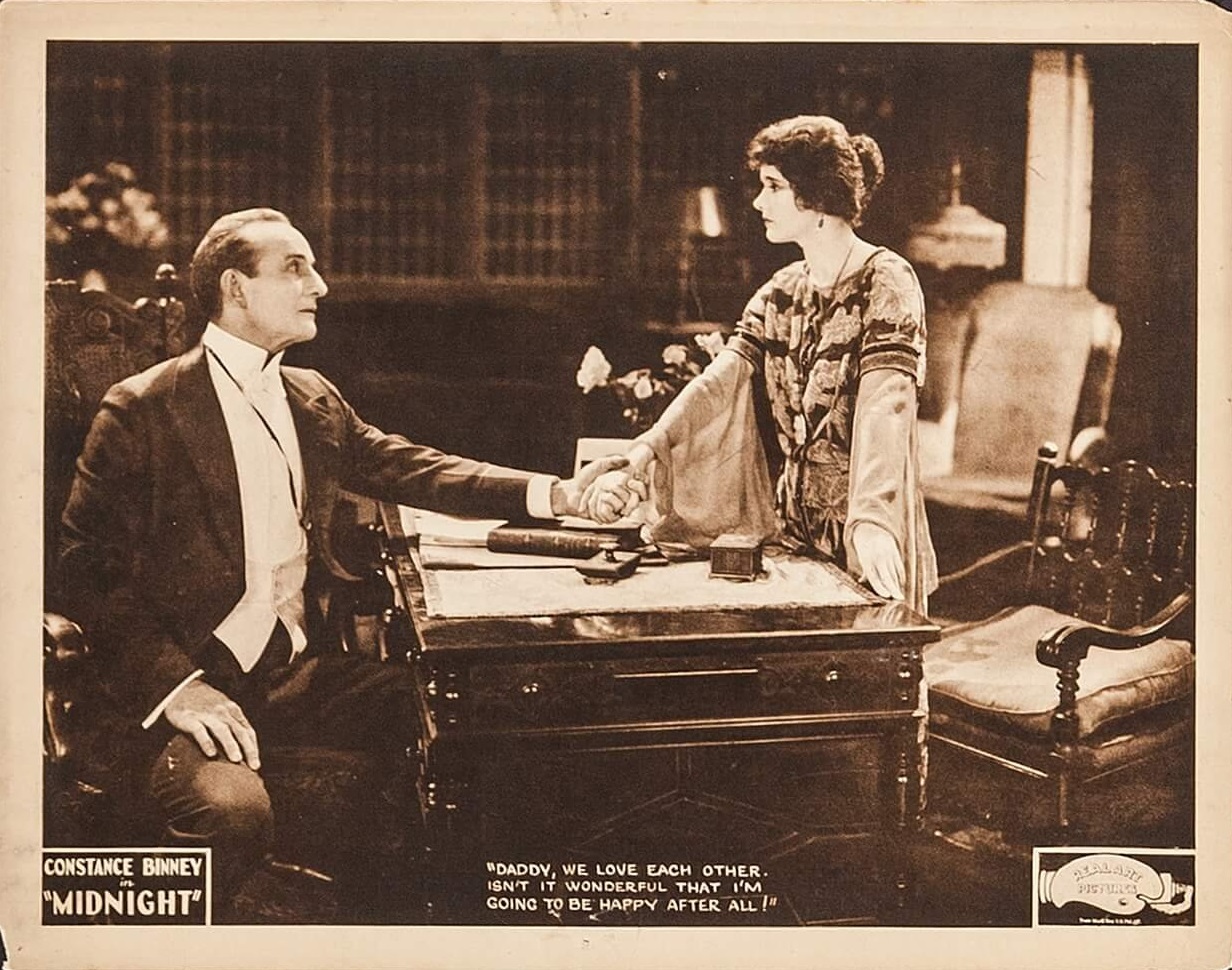
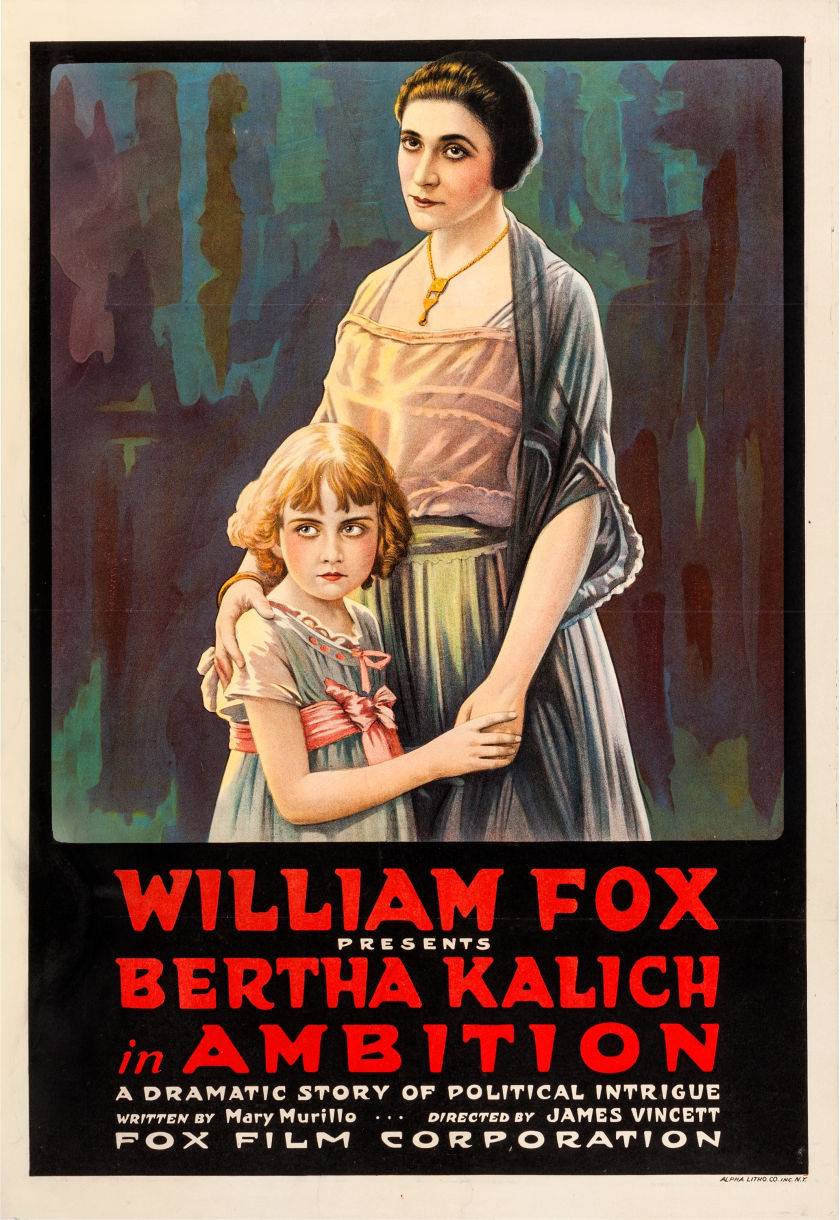
While mainstream cinema of the era often romanticized the 'Captain of Industry,' the films that now hold cult fascination were far more cynical. Take The Undertow (1916). Here, James King is a man whose rise to the head of a massive factory is contrasted against the moral vacuum of his personal life. His wife, described as 'void of ambition,' becomes a casualty of his single-minded pursuit of industrial dominance. The 'undertow' of the title isn't a literal wave, but the invisible force of progress that pulls the weak beneath the surface.
This thematic obsession with the corrupting influence of the machine age is mirrored in the 1917 Norwegian film Iron Wills. Set in a fishing village, the conflict arises when the owner of a glue factory feels threatened by a subordinate who develops a superior product. It is a proto-corporate thriller that treats innovation as a weapon and the factory as a battlefield. The 'Iron Will' of the title refers not to human strength, but to the rigid, unyielding nature of the industrial mindset. These films were the first to suggest that the modern world was being built on a foundation of sociopathy, a sentiment that would later fuel the dystopian visions of the 1980s VHS era.
The Wax Museum and the Art of the Macabre
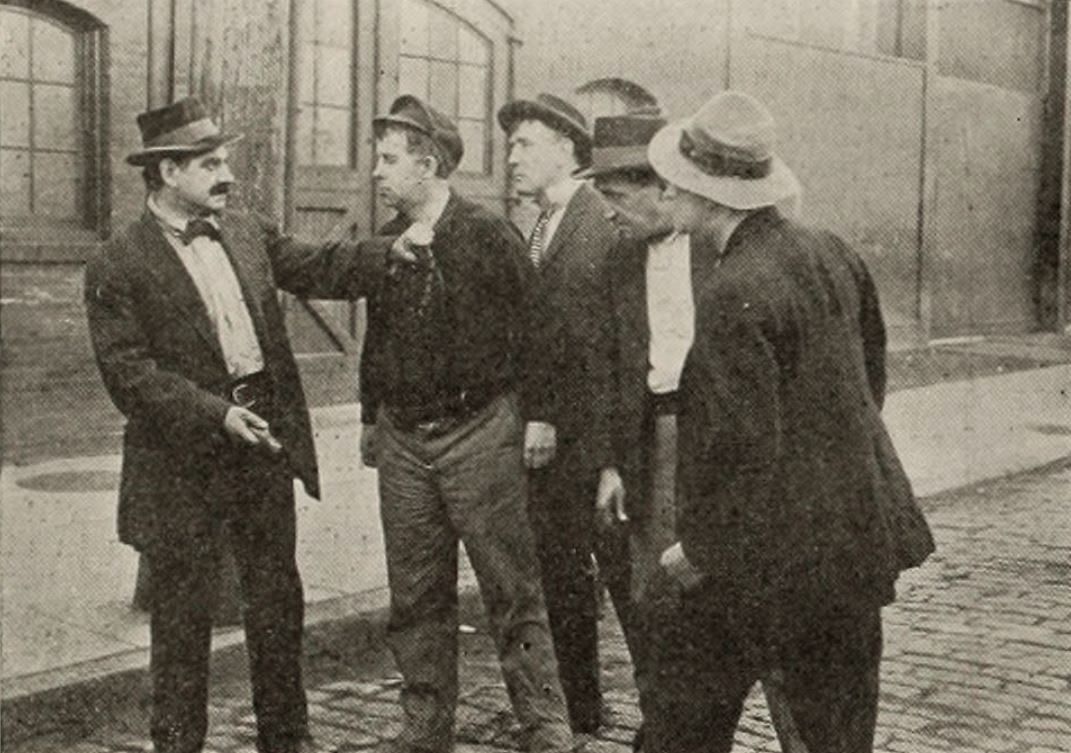
Perhaps the most visually arresting intersection of industry and horror in this period is While Paris Sleeps (1923). By moving the setting to a Horror Wax museum, the film literalizes the Industrial Gothic's fear of the frozen, artificial human. When a sculptor's unrequited love drives him to a murder plot assisted by the museum's owner, the film bridges the gap between the artisan and the executioner. The wax figures are the ultimate industrial product: humans stripped of life, preserved in a state of perpetual, silent agony for the amusement of the masses. It is a grotesque precursor to the body-horror tropes that would eventually define the cult underground.
The Architecture of Anxiety: Shadows and Steel
Visually, these films utilized the stark geometry of the early 20th-century factory to create a new kind of cinematic language. The high-contrast lighting—often necessitated by the limitations of early film stock—lent itself perfectly to the portrayal of the factory as a labyrinthine monster. We see echoes of this in The Master Hand (1915), where financial desperation leads to a plot to control a fortune through medical manipulation. The 'master hand' is the one that pulls the levers, whether they be financial, mechanical, or biological.
- Mechanical Alienation: The recurring motif of the worker as an extension of the machine.
- The Domestic-Industrial Divide: How the cold logic of the factory infects the warmth of the home, as seen in The Undertow.
- Surveillance and Control: Early depictions of bosses and 'master hands' watching over their subjects with predatory intent.
- The Gothic Double: Using industrial settings to explore the duality of the human psyche.
From Silent Gears to Midnight Screams: The Legacy
Why do these century-old films matter to the modern cult enthusiast? Because they prove that our obsession with the 'weird' and the 'transgressive' has always been linked to our relationship with technology and labor. The Industrial Gothic was the first genre to articulate the feeling that something had gone terribly wrong with the world—that the gears were grinding us down into something unrecognizable. When we watch a film like The City of Failing Light, we aren't just looking at a dusty relic; we are looking at the primal source code of cinematic rebellion.
These films were the original 'outsider' narratives. They existed on the fringes of the burgeoning Hollywood system, often produced by smaller studios or international directors who weren't afraid to let the shadows linger a little longer on the screen. They captured the 'unseen'—the internal rot of the Gilded Age—and projected it back at an audience that was both terrified and mesmerized by the changing world. They taught us how to look at the machine and see the ghost inside it.
Conclusion: The Enduring Hum of the Machine
The Industrial Gothic remains one of the most potent, yet under-discussed, roots of the cult cinema tree. By focusing on the friction between the human spirit and the mechanical world, films like Iron Wills and The Undertow established a tradition of social critique through genre experimentation. They remind us that the most effective cult films are those that tap into the anxieties we are too afraid to voice in the light of day. As long as there are machines to fear and systems to fight, the spirit of the Industrial Gothic will continue to hum in the background of every midnight screening, a ghost in the projector that refuses to be silenced.
Community
Comments
Log in to comment.
Loading comments…