
DbcultAccessing Vault...
Director's Spotlight
Senior Film Conservator
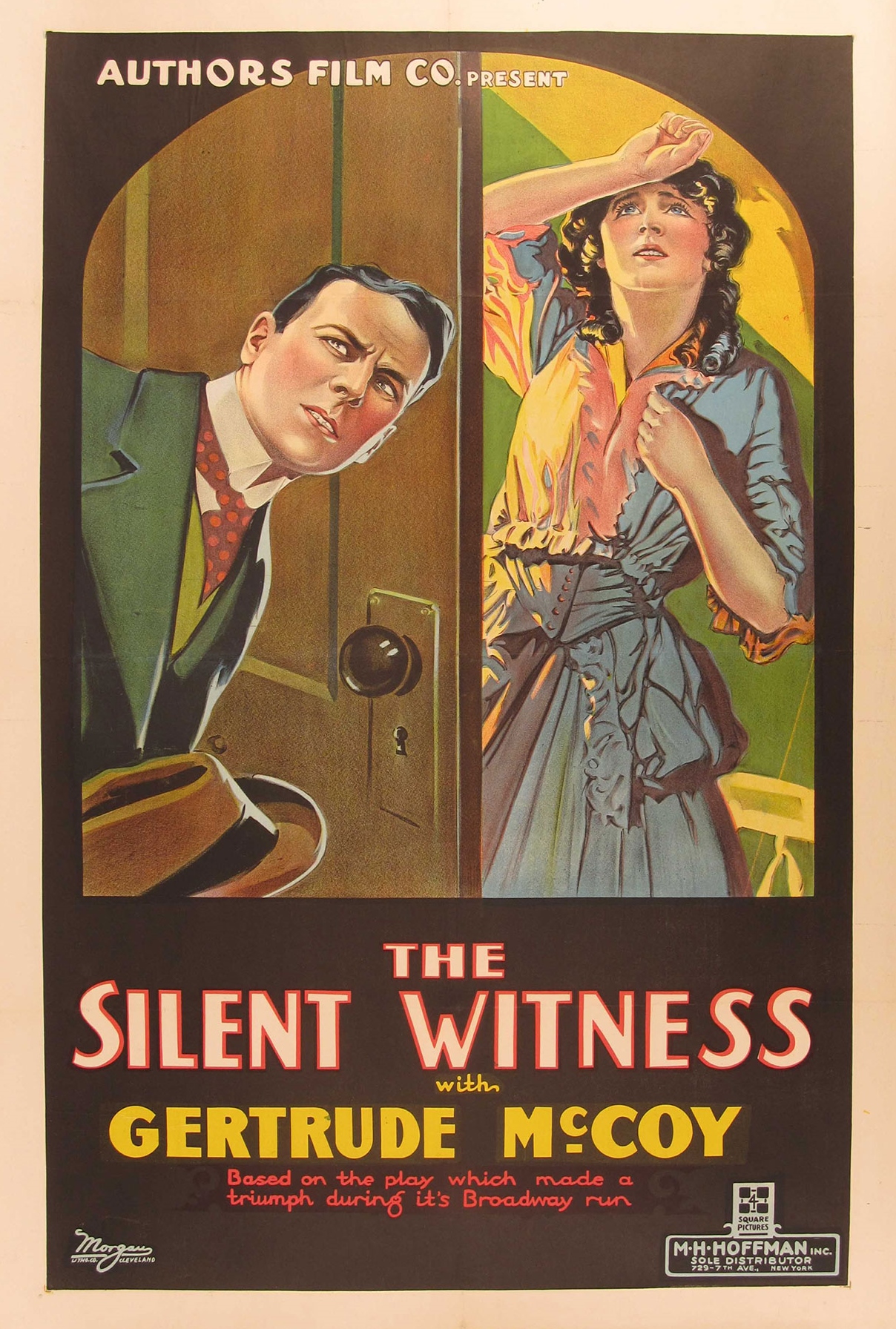
Director's Spotlight: United States
A Deep Dive into the 1917 Vision of Harry Lambart
In the storied career of Harry Lambart, The Silent Witness stands as a the atmospheric immersion that Harry Lambart achieves throughout The Silent Witness. Reflecting the political and social shifts of the 1917s, it reinforces the idea that cinema is a medium of infinite possibilities.
In The Silent Witness, Harry Lambart pushes the boundaries of conventional narrative. The film's unique approach to its subject matter has sparked endless debates and interpretations among cinephiles and critics alike.
| Cinematography | Noir-Inspired |
| Soundtrack | Experimental |
| Editing | Elliptical |
| Art Direction | Expressionist |
Visualizing the convergence of Harry Lambart's style and the core cult narrative.
Janet Rigsby loves Richard Morgan, a Denver college student, but loses him when he is caught in a fire. Shortly after Richard's presumed demise, Janet leaves her home and bears a son out of wedlock. Over the years, she struggles to make ends meet while raising Bud, her son, on her own. Although her savings are small, Janet manages to send Bud to college. Chastised for his poverty and illegitimate birth, Bud, who is in love with the college gardener's daughter, suffers the ridicule of his peers and eventually comes to blows with and threatens one particular boy for insulting his mother. In the ensuing confrontation, the boy is killed and Bud is arrested for the crime. During the course of the trial, Bud discovers that the district attorney is Richard Morgan, his father. The testimony of one expert witness reveals how the murder in truth was committed, and a liberated Bud happily reunites with his mother and new-found father.
Decades after its release, The Silent Witness remains a vital piece of the cinematic puzzle. Its influence can be seen in countless modern works, solidifying Harry Lambart's status as a master of the craft in United States and beyond.