
DbcultAccessing Vault...
Director's Spotlight
Senior Film Conservator
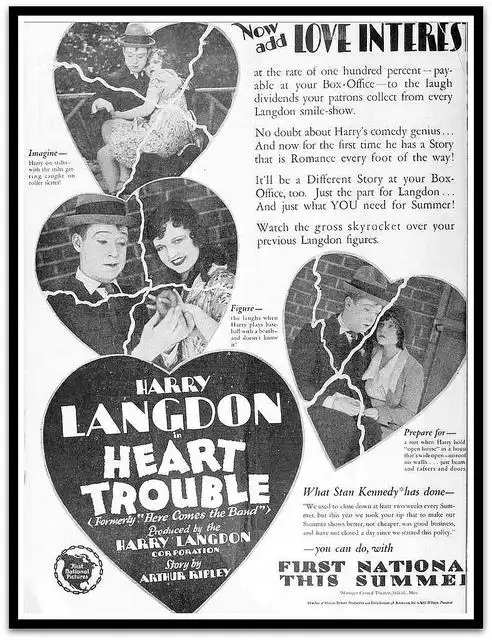
Director's Spotlight: United States
A Deep Dive into the 1928 Vision of Harry Langdon
Deciphering the layers of Heart Trouble (1928) reveals the complex thematic architecture established by Harry Langdon. Utilizing a 1928-specific aesthetic that remains timeless, it stands as the definitive 1928 statement on Comedy identity.
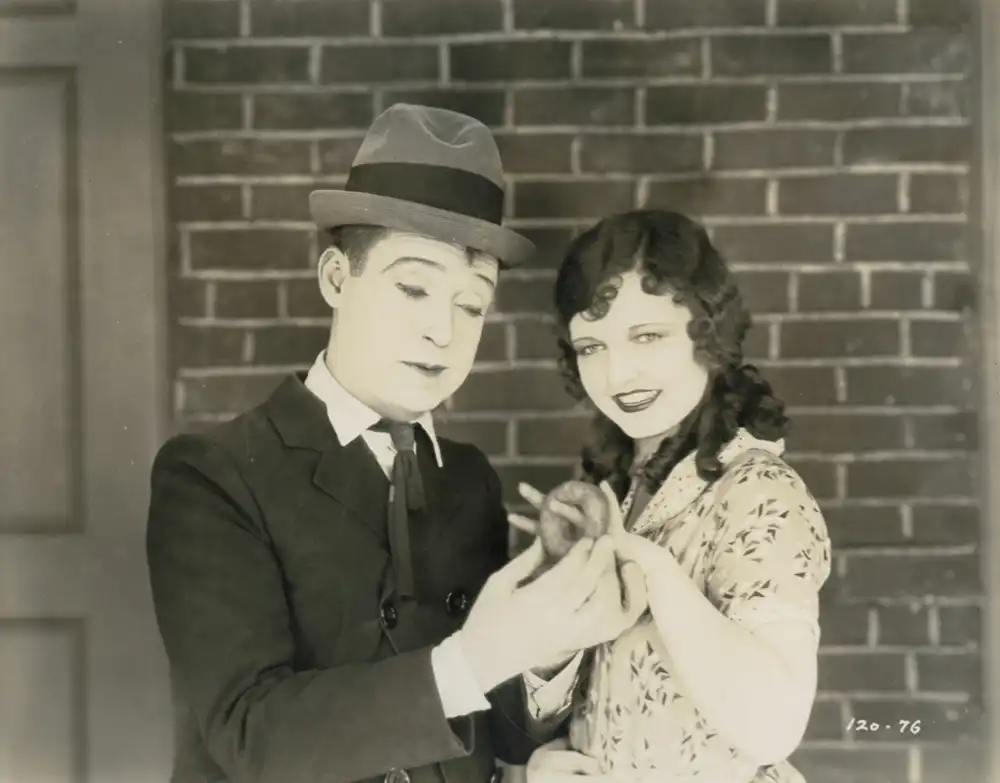
In Heart Trouble, Harry Langdon pushes the boundaries of conventional narrative. The film's unique approach to its subject matter has sparked endless debates and interpretations among cinephiles and critics alike.
| Cinematography | Static |
| Soundtrack | Diegetic |
| Editing | Elliptical |
| Art Direction | Expressionist |
Visualizing the convergence of Harry Langdon's style and the core Comedy narrative.
Harry Van Housen, the son of German immigrants, desperately wants to enlist in the United States Army during World War I in order to prove to his sweetheart that he is a true-blue American. Every time Harry volunteers for service, he is turned down for unfitness: he is underweight, four inches too short, nearsighted, flat-footed, and suffering from dandruff. Unwittingly, he comes across a German base being used to shuttle supplies to submarines off the United States coast; all unknowingly, he manages to free an American officer, blow up the base, and round up the spies. Harry is given a hero's welcome by his hometown, but he misses it, being too busy courting his girl to care about civic honors.
Decades after its release, Heart Trouble remains a vital piece of the cinematic puzzle. Its influence can be seen in countless modern works, solidifying Harry Langdon's status as a master of the craft in United States and beyond.