
DbcultAccessing Vault...
Director's Spotlight
Senior Film Conservator
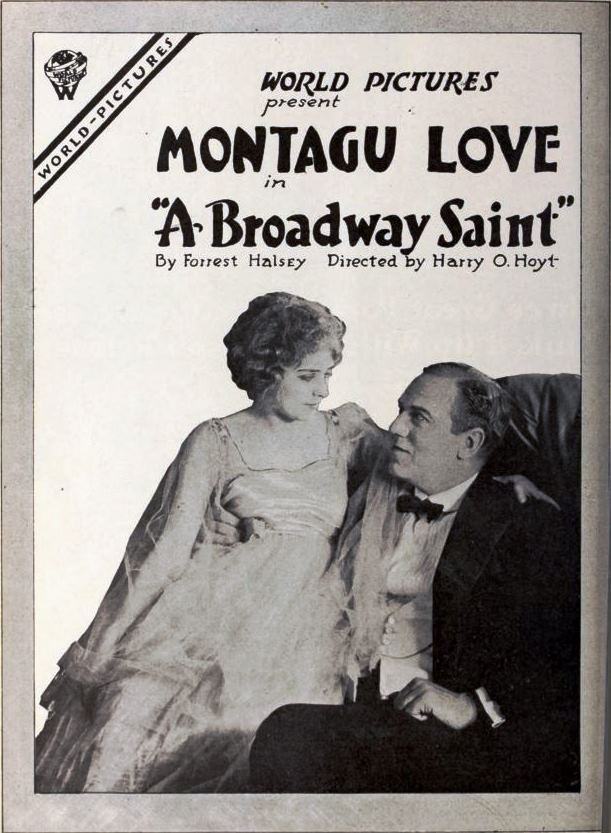
Director's Spotlight: United States
A Deep Dive into the 1919 Vision of Harry O. Hoyt
The thematic gravity of A Broadway Saint (1919) is rooted in the historical context that Harry O. Hoyt weaves into the cult fabric. Synthesizing the best elements of United States and international cinema, it highlights the importance of independent voices in United States.
In A Broadway Saint, Harry O. Hoyt pushes the boundaries of conventional narrative. The film's unique approach to its subject matter has sparked endless debates and interpretations among cinephiles and critics alike.
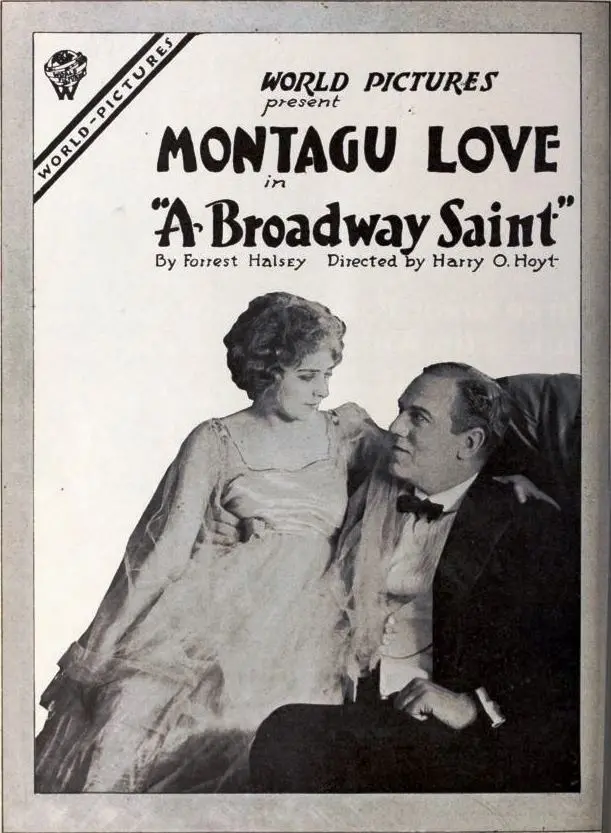
While deeply rooted in United States, A Broadway Saint has achieved a global reach, influencing directors from various backgrounds. Its ability to translate cult tropes into a universal cinematic language is why it remains a cult staple decades after its 1919 release.
| Cinematography | Static |
| Soundtrack | Experimental |
| Editing | Elliptical |
| Art Direction | Expressionist |
Visualizing the convergence of Harry O. Hoyt's style and the core cult narrative.
Quiet Dick Vernon, who lives in a cheap New York City boardinghouse, spends his vacation at his Uncle Galt's home in the small town of Boonsburg. Dressed in city fashions, Ben is harassed by gossips and chased by young women while he searches for the kind of simple country girl he has seen in the movies. Dick believes Mazie Chateaux is such a girl, unaware that she performs with a burlesque company that is briefly stranded in Boonsburg. When Uncle Galt unexpectedly inherits a million dollars, he gives Dick a large sum on the condition that the young man enjoys the high life when he returns to the city. However, Dick retreats to his quiet existence until his uncle visits, expecting to have a good time. During an all-night party, Dick has another encounter with Mazie. In the morning, Uncle Galt finds her in the apartment innocently preparing breakfast, and insists that she and Dick marry, which they do.
Decades after its release, A Broadway Saint remains a vital piece of the cinematic puzzle. Its influence can be seen in countless modern works, solidifying Harry O. Hoyt's status as a master of the craft in United States and beyond.