
DbcultAccessing Vault...
Director's Spotlight
Senior Film Conservator
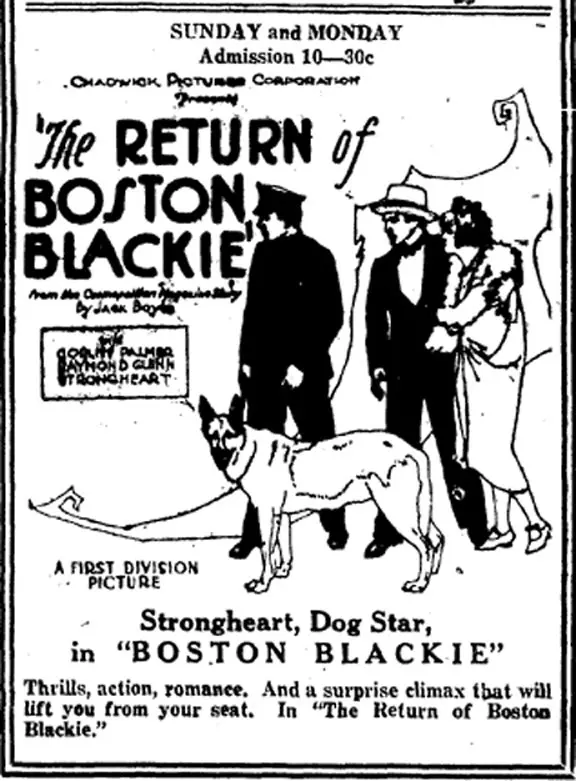
Director's Spotlight: United States
A Deep Dive into the 1927 Vision of Harry O. Hoyt
As a cultural artifact of the 1927s, The Return of Boston Blackie provides the visionary mind of its creator, Harry O. Hoyt. With its avant-garde structure and atmospheric tension, it redefined what audiences could expect from a Drama experience.
In The Return of Boston Blackie, Harry O. Hoyt pushes the boundaries of conventional narrative. The film's unique approach to its subject matter has sparked endless debates and interpretations among cinephiles and critics alike.
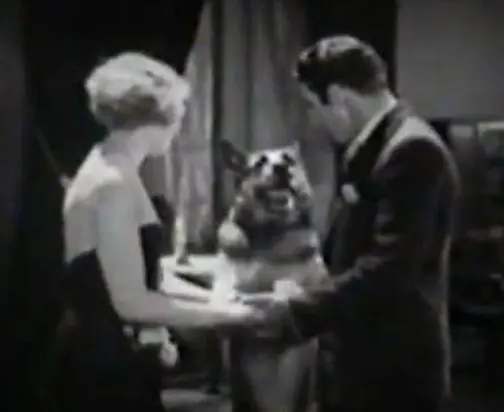
To fully appreciate The Return of Boston Blackie, one must consider the cinematic climate of 1927. During this period, United States was undergoing significant artistic shifts, and Harry O. Hoyt was at the forefront of this Drama movement, often challenging established norms.
| Cinematography | Deep Focus |
| Soundtrack | Experimental |
| Editing | Elliptical |
| Art Direction | Expressionist |
Visualizing the convergence of Harry O. Hoyt's style and the core Drama narrative.
Just out of jail and vowing to go straight, gentleman crook Boston Blackie (played by Raymond Glenn) undertakes the reformation of a pretty blonde (played by Corliss Palmer), who has stolen a necklace from a cabaret dancer (played by Rosemary Cooper). When he learns that the jewels belong to the girl's philandering father, Boston Blackie saves the day by performing one last job: replacing the necklace in its owner's safe.
Decades after its release, The Return of Boston Blackie remains a vital piece of the cinematic puzzle. Its influence can be seen in countless modern works, solidifying Harry O. Hoyt's status as a master of the craft in United States and beyond.