
DbcultAccessing Vault...
Director's Spotlight
Senior Film Conservator
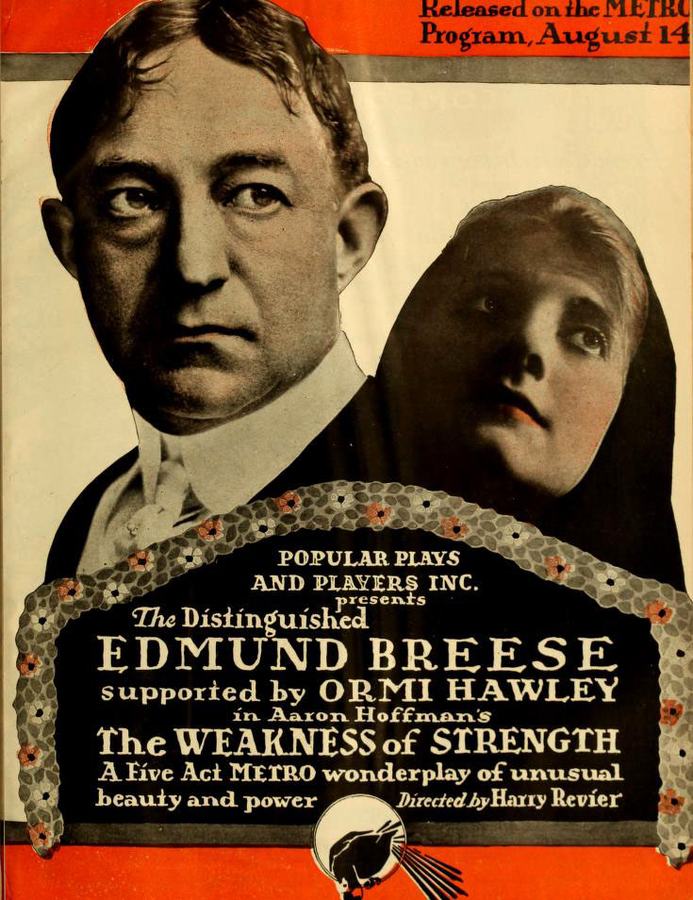
Director's Spotlight: United States
A Deep Dive into the 1916 Vision of Harry Revier
To understand the modern evolution of United States film, one must first look at The Weakness of Strength and the collaborative alchemy between Harry Revier and the 1916 creative team. Subverting the expectations of the typical 1916 audience, it remains a vital reference point for anyone studying the evolution of Harry Revier.
In The Weakness of Strength, Harry Revier pushes the boundaries of conventional narrative. The film's unique approach to its subject matter has sparked endless debates and interpretations among cinephiles and critics alike.
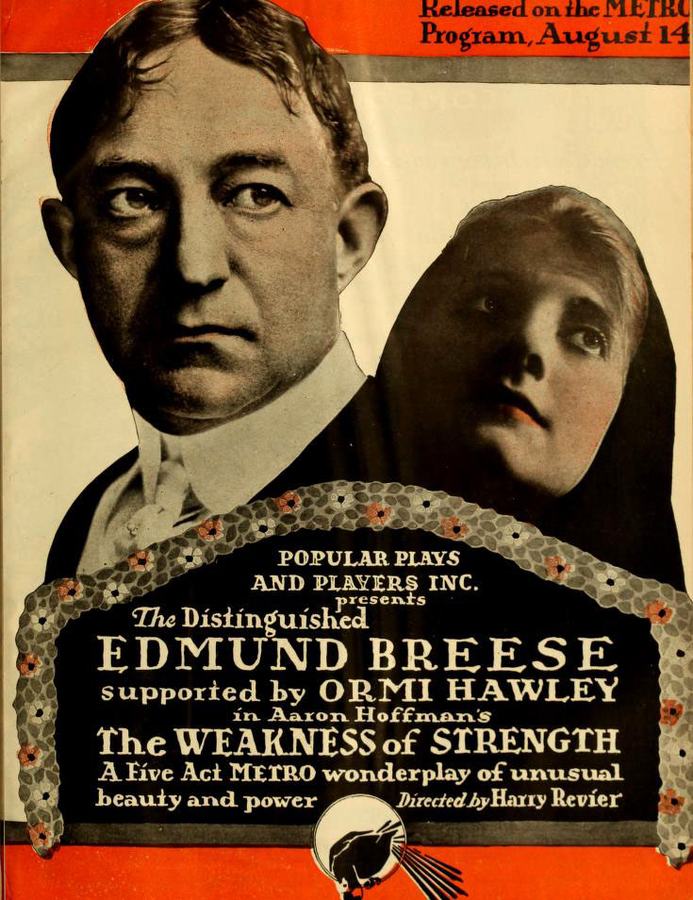
To fully appreciate The Weakness of Strength, one must consider the cinematic climate of 1916. During this period, United States was undergoing significant artistic shifts, and Harry Revier was at the forefront of this cult movement, often challenging established norms.
| Cinematography | High-Contrast |
| Soundtrack | Diegetic |
| Editing | Elliptical |
| Art Direction | Expressionist |
Visualizing the convergence of Harry Revier's style and the core cult narrative.
Through a real estate purchase Daniel Gaynor acquires all rights in the waterway leading from Moose River to the mill. The original owner has never made use of his rights, but Gaynor, whose one thought is to get power, refuses to allow logs to be floated down the river running through his property. The men resent this injustice, and there is a fight between Gaynor and Bill Jackson, Bill representing the lumbermen. The ruthless way in which Gaynor deals with the men loses for him the sympathy of his one friend, Mary Alden, a widowed school teacher, with whom he is in love. The loggers are forced to sell their output to Gaynor, getting a poorer price for it than ever before. He in turn sells it to the ship company in the city at a lower figure than they have ever paid. Gaynor has had to get the assistance of the sheriff and deputies to protect his interests, and he has won the victory only after many brutal fights. Delighted with Gaynor's executive ability, the firm offers him the position of general manager, at a large salary, and he goes to the city. Mary Alden refuses to accompany him as his wife, for she does not believe that happiness can be built on a foundation of injustice. At the shipyards Gaynor continues in the high-handed way he has begun. He cuts wages, speeds up the work of the men to a cruel degree, and in other ways makes himself a tyrant. So successful is he that in ten years' time he is president of the company. Bessie Alden, Mary's daughter, comes to the city to seek her fortune. She meets Dick Grant, who is employed in the office of the ship building firm, and they are instantly attracted to each other. They are married, and Dick goes to Gaynor and asks for a raise in salary. It is refused. Dick's old grandmother falls ill, and he finds his added responsibilities more than he can manage. A child is born, and Dick is at his wit's end to provide comforts for the child and Bessie. About this time Gaynor's health fails and he is obliged to go to the woods to recuperate. This facilitates the carrying out of the plan that has tempted Dick, and he takes a certain sum out of the cash box each week, telling Bessie that Gaynor has increased his salary. Returning to his old home, Gaynor finds himself thoroughly hated. He is beaten and thrown into the river, but is rescued by Mary. He begins to realize that his power has not brought him the real things in life. Dick's theft is discovered by his superior in the office, and reported to Gaynor on his return. He goes to Dick's house, telling the detective to follow later. Bessie surprises him by thanking him profusely for her husband's raise, and telling all it has done for them. The baby climbs up into his arms and pats his face. Bessie tells him the child has been named for him. It is the first affection that has been shown Gaynor for many long years, and it overwhelms him. When the detective comes, he tells him there has been a mistake, and that there has been no theft. Then, having established the happiness of Dick and Bessie, he goes to Mary Alden and finds happiness for himself.
Decades after its release, The Weakness of Strength remains a vital piece of the cinematic puzzle. Its influence can be seen in countless modern works, solidifying Harry Revier's status as a master of the craft in United States and beyond.