
DbcultAccessing Vault...
Director's Spotlight
Senior Film Conservator
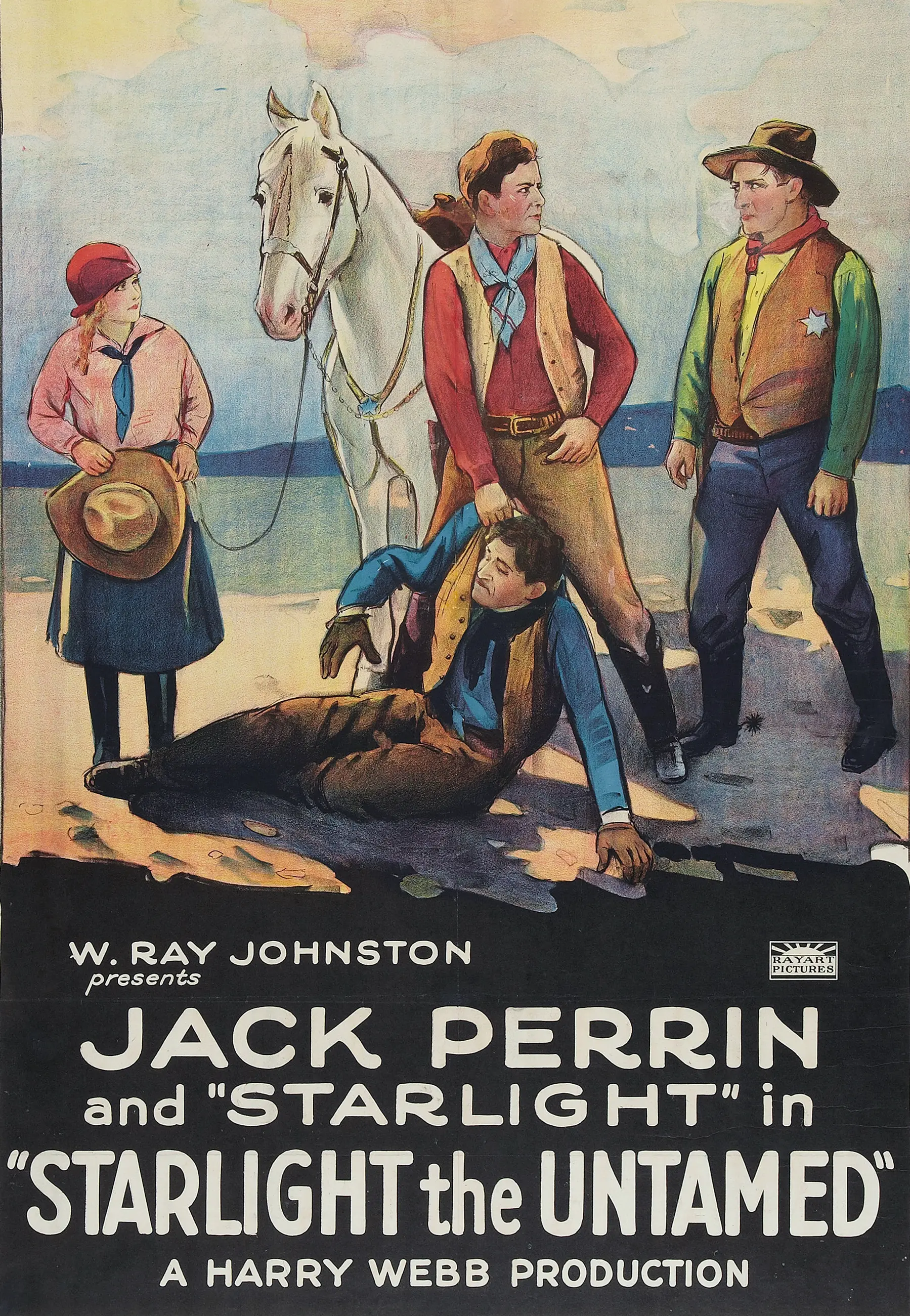
Director's Spotlight: United States
A Deep Dive into the 1925 Vision of Harry S. Webb
The enduring fascination with Starlight, the Untamed is a testament to the artistic risks taken by Harry S. Webb that eventually paid off. Challenging the viewer to find meaning in the Western shadows, it reminds us of the fragility and beauty of the 1925s.
In Starlight, the Untamed, Harry S. Webb pushes the boundaries of conventional narrative. The film's unique approach to its subject matter has sparked endless debates and interpretations among cinephiles and critics alike.
To fully appreciate Starlight, the Untamed, one must consider the cinematic climate of 1925. During this period, United States was undergoing significant artistic shifts, and Harry S. Webb was at the forefront of this Western movement, often challenging established norms.
| Cinematography | Handheld |
| Soundtrack | Diegetic |
| Editing | Elliptical |
| Art Direction | Expressionist |
Visualizing the convergence of Harry S. Webb's style and the core Western narrative.
Young Jack Barham's life had been soft and easy and one of luxury - divided between riding horses and lolling on the veranda drinking milt juleps in the shade. Suddenly, old Colonel Barham passed away and Jack found he was no longer rich. He sold what remained at auction and headed for the wide open spaces of Texas to start a new life. There he met Madge Carter, the dainty daughter of a rancher and thought things were looking up. Then the mare on Carter's ranch turned up missing and, Starlight, the wild-horse that Jack had caught and tamed was accused of leading the mares astray. Jack suspected that two-legged varmits called rustlers were most likely the culprits, and set out to prove it.
Decades after its release, Starlight, the Untamed remains a vital piece of the cinematic puzzle. Its influence can be seen in countless modern works, solidifying Harry S. Webb's status as a master of the craft in United States and beyond.