
DbcultAccessing Vault...
Director's Spotlight
Senior Film Conservator
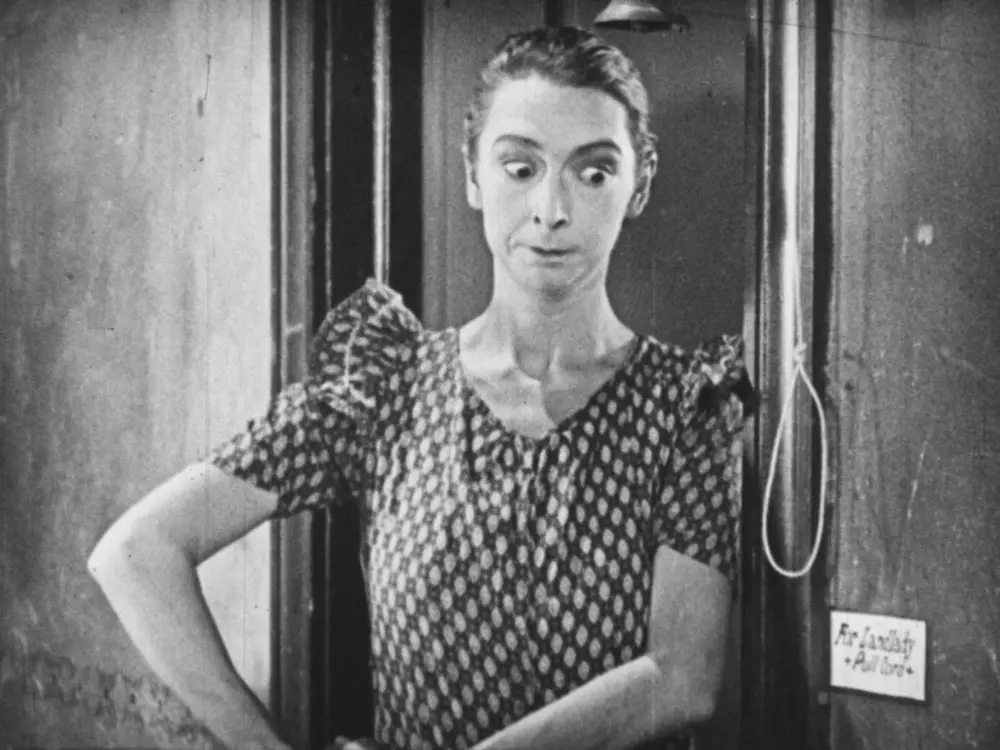
Director's Spotlight: United States
A Deep Dive into the 1926 Vision of Harry Sweet
Analyzing What! No Spinach? (1926) requires a deep dive into the unique directorial voice that Harry Sweet brought to the screen. By challenging the status quo of 1926 cinema, it continues to spark endless debates among critics and cinephiles alike.
In What! No Spinach?, Harry Sweet pushes the boundaries of conventional narrative. The film's unique approach to its subject matter has sparked endless debates and interpretations among cinephiles and critics alike.
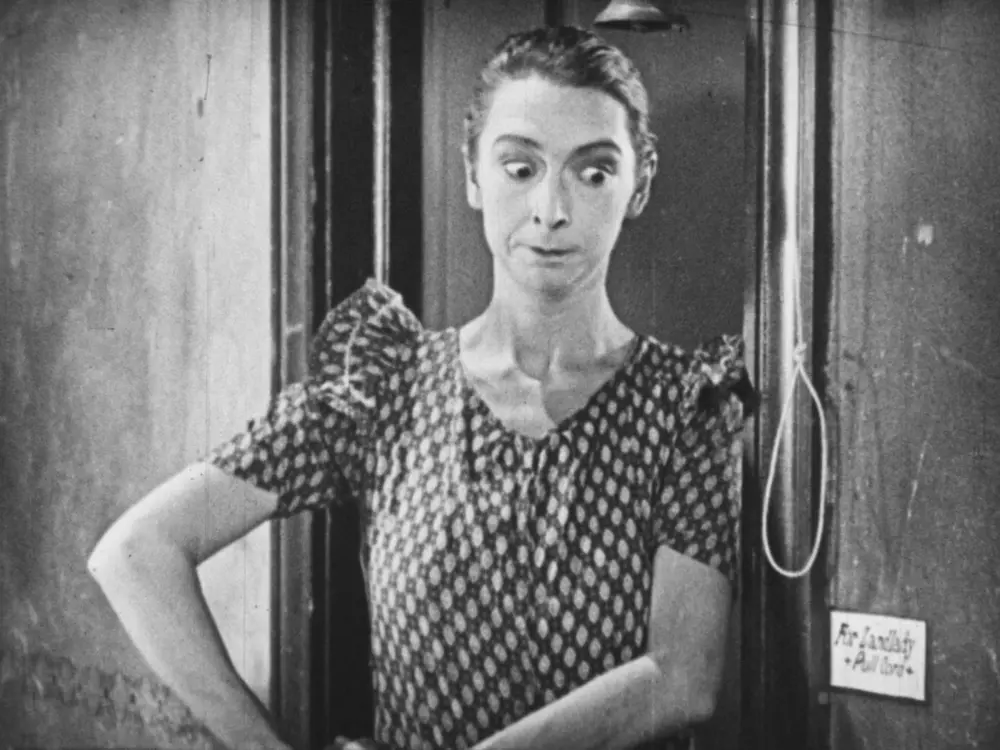
In this work, Harry Sweet explores the intersection of Short and United States cultural identity. The meticulous attention to detail suggests a deep-seated commitment to pushing the boundaries of the medium, ensuring that What! No Spinach? remains a relevant topic of study for Short enthusiasts.
| Cinematography | High-Contrast |
| Soundtrack | Orchestral |
| Editing | Slow-Burn |
| Art Direction | Brutalist |
Visualizing the convergence of Harry Sweet's style and the core Short narrative.
Harry Sweet in the story is an outcast from society, as he is a ne'er do well. He rents a room where Gale Henry is a landlady. He is unable to pay his room rent. Instead of paying his room rent with money he earned. Someone was always selling him something on his way home to pay the rent. Finally, the landlady threatens to put him out of the house, but as she goes to notify him, she hears an attorney reading the will of his grandfather, who has left Harry Sweet a million dollars. From then on he is chased by women, and his landlady Gale Henry in particular, all of the women trying to marry him.
Decades after its release, What! No Spinach? remains a vital piece of the cinematic puzzle. Its influence can be seen in countless modern works, solidifying Harry Sweet's status as a master of the craft in United States and beyond.