
DbcultAccessing Vault...
Director's Spotlight
Senior Film Conservator
Director's Spotlight: Canada
A Deep Dive into the 1925 Vision of Harvey G. Matherson
Deciphering the layers of The End of the World (1925) reveals a monumental shift in Adventure filmmaking spearheaded by Harvey G. Matherson. With its avant-garde structure and atmospheric tension, offering layers of thematic complexity that demand repeated viewing.
In The End of the World, Harvey G. Matherson pushes the boundaries of conventional narrative. The film's unique approach to its subject matter has sparked endless debates and interpretations among cinephiles and critics alike.
In this work, Harvey G. Matherson explores the intersection of Adventure and Canada cultural identity. The meticulous attention to detail suggests a deep-seated commitment to pushing the boundaries of the medium, ensuring that The End of the World remains a relevant topic of study for Adventure enthusiasts.
| Cinematography | Deep Focus |
| Soundtrack | Orchestral |
| Editing | Invisible |
| Art Direction | Kitsch |
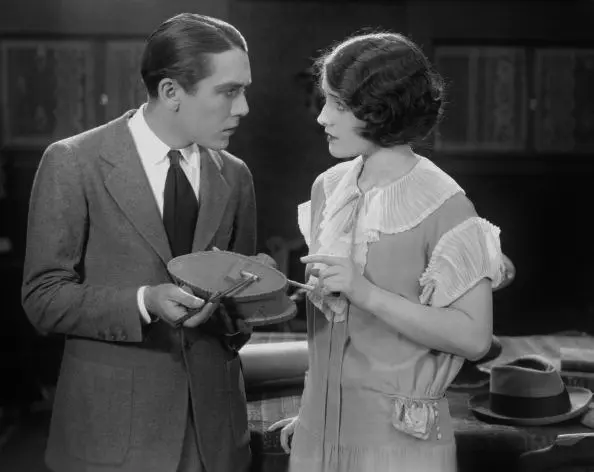
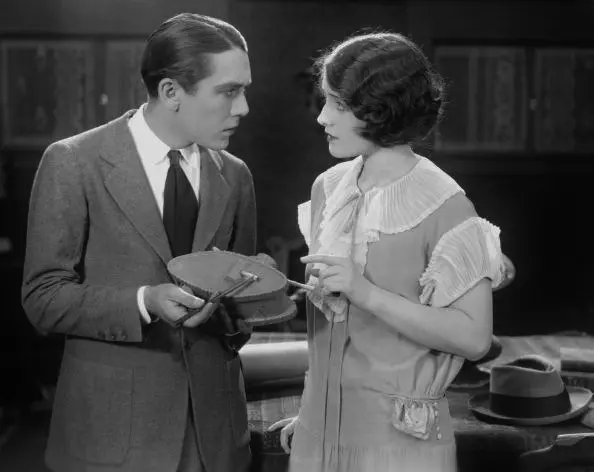
Visualizing the convergence of Harvey G. Matherson's style and the core Adventure narrative.
Jack Joyce, who worked in old Abner Hope's garage, was always dreaming of big schemes, but had no capital with which to realize them. Abner Hope, who is regarded as a "queer one," tell Jack that the world will end on September 1st, and gives him his savings to spend during the few remaining weeks. As a result Jack becomes a king of power, and becomes engaged to Curt Horndyke's daughter, although he loves Mary Ellen, Abner's granddaughter. Then comes the climax - the end of the world - which, with its dénouement, makes one of the most fascinating endings ever screened.
Decades after its release, The End of the World remains a vital piece of the cinematic puzzle. Its influence can be seen in countless modern works, solidifying Harvey G. Matherson's status as a master of the craft in Canada and beyond.